ค้นหางานศิลปกรรม
ฐานข้อมูลศิลปกรรมในเอเชียตะวันออกเฉียงใต้
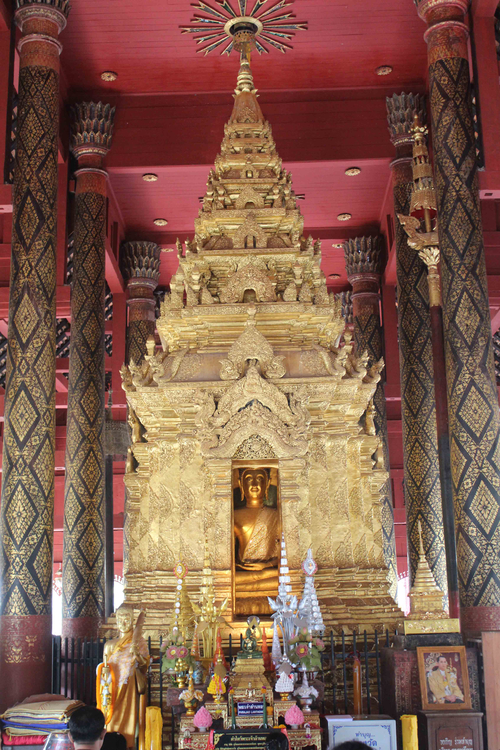

ประติมากรรมกู่พระเจ้าล้านทอง
กู่พระเจ้าล้านทองมีส่วนฐานที่ประกอบด้วยฐานเขียงรองรับฐานบัวสองฐานซ้อนกันในผังยกเก็จโดยไม่มีลูกแก้วอกไก่ประดับที่ท้องไม้ ส่วนฐานที่เพิ่มเข้ามาผระดับลวดลายปูนปั้นลายเครือล้านนา คือลายดอกไม้ใบไม้ และมีรูปสัตว์แทรก มีลูกแก้วมารองรับฐานบัว เรือนธาตุเป็นห้องสี่เหลี่ยมเพิ่มมุมด้านละ 3 มุม มีการยกเก็จเป็นเสาซุ้มอยู่ 2 มุม แต่ละมุมประดับลายกาบบน กาบล่าง ประจำยามอก เรือนธาตุมีฐานบัวเชิงเป็นฐานบัวลูกแก้วอกไก่ที่ด้านล่างและบัวรัดเกล้าที่ด้านบน ภายในประดิษฐานพระเจ้าล้านทอง เจาะช่องเฉพาะด้านหน้า ด้านอื่นประดับรูปเทวดาเป็นลายเส้นในซุ้มจระนำ เรือนชั้นซ้อนมีการผสมผสานกันระหว่างแบบเรือนชั้นซ้อนและแบบหลังคาลาด ซึ่งเป็นรูปแบบที่นิยมในศิลปะล้านนา แสดงตัวเรือนที่มีฐานบัวคว่ำบัวหงายลูกแก้วอกไก่รองรับเรือนธาตุที่มีช่องจระนำประดับซุ้มบรรพแถลง กรอบสามเหลี่ยมคล้ายกลีบขนุนและเสาหัวเม็ดขนาดเล็ก หลังคาเอนมีการประดับสันหลังคาด้วยมังกรหรือปัญจรูป ส่วนยอดเป็นทรงพุ่มคล้ายดอกบัวในผังยกเก็จปลายเป็นรูปกลีบบัวต่อด้วยลูกแก้วเป็นวงซ้อนกันและยอดสุดเป็นปลี
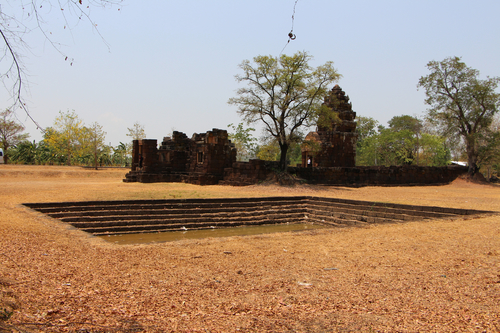
สถาปัตยกรรมกุฏิฤาษีบ้านโคกเมือง
แผนผังรูปสี่เหลี่ยมผืนผ้า ด้านนอกสุดเป็นกำแพงศิลาแลงมีซุ้มประตูทางเข้าหรือโคปุระทางทิศตะวันออก ตรงกลางภายในเป็นที่ตั้งของปราสาทประธานก่อด้วยศิลาแลง บางตอนมีหินทรายประกอบกรอบประตู ประตูด้านหน้าทางทิศตะวันออกทำเป็นมุขยื่นออกมา ประตูอีก 3 ด้านเป็นประตูหลอก ส่วนทางด้านทิศตะวันออกเฉียงใต้ของปราสาทประธานภายในกำแพงแก้วเป็นบรรณาลัยก่อด้วยศิลาแลงเช่นเดียวกัน บางส่วนของโคปุระและปราสาทประธานมีการประดับด้วยส่วนประกอบของหน้าบันหรือทับหลังเป็นรูปนาค มกรคายนาค สันนิษฐานว่าเป็นรูปแบบศิลปะในราวพุทธศตวรรษที่ 16-17 แต่ทว่าส่วนประดับเหล่านี้ดูไม่สู้จะต่อเนื่องกับปราสาทประธานและกำแพง จึงอาจเป็นการนำของเดิมมาประกอบอาคารที่ก่อสร้างใหม่ อย่างไรก็ตาม หากชิ้นส่วนประดับสถาปัตยกรรมเหล่านี้เป็นของที่มีมาแต่เดิม ก็อาจสันนิษฐานว่าเคยมีศาสนสถานแห่งหนึ่งสร้างขึ้นในราวพุทธศตวรรษที่ 16 ต่อมาในพุทธศตวรรษที่ 18 จึงปรับเปลี่ยนใช้เป็นอโรคยศาลในพุทธศาสนามหายาน
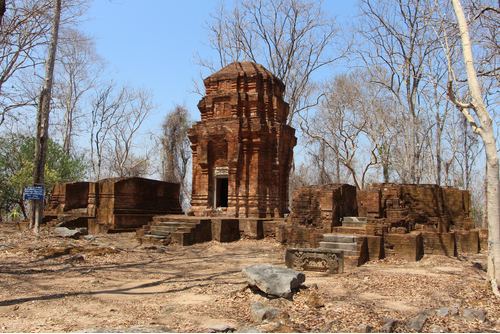
สถาปัตยกรรมปราสาทเขาน้อย
ผังของปราสาทเขาน้อยประกอบไปด้วยอาคาร 3 หลังตั้งอยู่ในแนวเหนือใต้ ซึ่งหลังเหนือและใต้พังทลายลงเหลือเพียงหลังกลาง ปราสาททิศเหนือและปราสาทหลังกลางตั้งอยู่บนฐานอันเดียวกัน แต่ปราสาททิศเหนือสร้างยื่นล้ำออกมาข้างนอกมาก ส่วนอาคารทิศใต้ตั้งอยู่บนฐานสูงเท่ากันแต่แยกห่างออกไปเล็กน้อย มีเพียงแนวฐานอิฐด้านหลังทำมาเชื่อมต่อกัน ซึ่งก็จะเห็นได้ว่าการวางผังก่อสร้างอาคารทั้ง 3 หลังนี้ไม่ได้สร้างให้อยู่ในแนวเดียวกัน เป็นลักษณะที่คล้ายกับการสร้างปราสาทในสมัยก่อนเมืองพระนครของเขมรซึ่งไม่ค่อยมีระเบียบนักปราสาทด้านทิศเหนือมีผังรูปสี่เหลี่ยมผืนผ้า มีทางเข้าด้านทิศตะวันออก อีก 3 ด้านเป็นประตูหลอก ช่องทางเข้าสร้างให้ยืดยาวออกไป ทำให้ผังของอาคารด้านนี้มีลักษณะเป็นช่องลึก ผังในห้องเป็นรูปสี่เหลี่ยมผืนผ้า แต่ละด้านทำเป็นช่องเว้าเข้าไปปราสาทหลังกลางเป็นอาคารก่ออิฐไม่สอปูนในผังสี่เหลี่ยมเพิ่มมุมไม้สิบสอง มีทางเข้าทางทิศตะวันออกทางเดียว อีก 3 ด้านเป็นประตูหลอก ส่วนด้านในเป็นห้องที่มีความยาวแต่ละด้านไม่เท่ากัน ส่วนทิศใต้เป็นอาคารรูปสี่เหลี่ยมผืนผ้าบนฐานอิฐ ผังอาคารก่อสร้างเป็นผนังขึ้นไป ทางเข้าทางทิศตะวันออกทำเป็นมุขยื่นออกมา ผังในอาคารก็เป็นรูปสี่เหลี่ยมผืนผ้าเช่นเดียวกัน
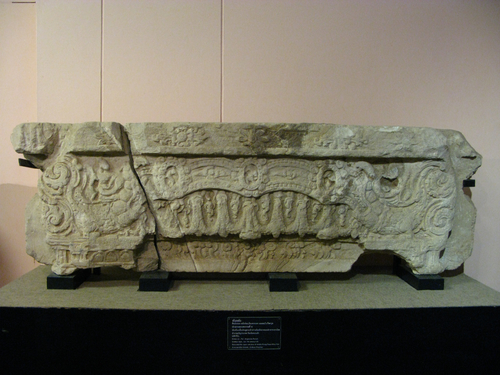
ประติมากรรมทับหลังจากปราสาทเขาน้อยหลังกลาง
การสลักเป็นรูปมกรสองตัวที่ปลายขอบทั้งสองข้างหันหน้าเข้าภายในคายวงโค้งออกมาสี่วง เหมือมกรมีรูปบุคคลขี่เบื้องบนกับเบื้องล่างของมกรมีฐานมารองรับ บริเวณกึ่งกลางและที่เสี้ยวที่ลายวงโค้งมาบรรจบกันปรากฏลายวงรูปไข่หรือวงรูปเหรียญสามวง ที่ขอบวงโค้งทั้งสี่วงมีลายประคำประดับอยู่โดยรอบ ส่วนที่ขอบของลายวงรูปเหรียญมีทั้งลายลูกประคำและลายใบไม้ม้วนประกอบอยู่ ภายในวงรูปเหรียญมีรูปเทวดาทรงพาหนะวงละหนึ่งองค์ ในขณะที่ภายในลายวงโค้งสองวงกลางมีลายดอกไม้สี่กลีบประดับอยู่ เหนือลายวงโค้งมีลายใบไม้ตั้งขึ้น ส่วนเบื้องล่างของลายวงโค้งสลักเป็นลายพวงมาลัยสลับกับพวงอุบะ ภายในลายพวงมาลัยมีลายใบไม้แหลมหยักอยู่พวงละหนึ่งใบ ส่วนพวงอุบะล้วนมีขนาดเท่ากันหมดทุกพวง รายละเอียดที่กล่าวมานี้สามารถเปรียบเทียบได้จากทับหลังปราสาทสมโบร์ไพรกุกหมู่ใต้ หลังที่ 7
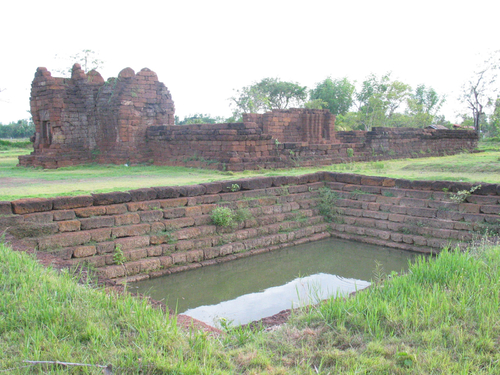
สถาปัตยกรรมปราสาทกู่พันนา
ประกอบด้วยปราสาทประธานทรงสี่เหลี่ยมจัตุรัสย่อมุมหนึ่งหลัง ตั้งอยู่กึ่งกลางภายในกำแพงศิลาแลงในผังสี่เหลี่ยมผืนผ้า เครื่องบนของปราสาทประธานนั้นพังทลายลงไป ส่วนประตูทางเข้าออกนั้นด้านเดียวทางทิศตะวันออก ส่วนอีก 3 ด้านทำเป็นประตูหลอก ประตูทางเข้าออกนี้ทำเป็นห้องยาวๆ ด้านหน้าเป็นมุข ส่วนทางทิศตะวันออกเฉียงใต้ของปราสาทประธานปรากฏเฉพาะส่วนฐานของบรรณาลัยสร้างด้วยศิลาแลงในผังเป็นรูปสี่เหลี่ยมผืนผ้า ส่วนกึ่งกลางของกำแพงศิลาแลงด้านทิศตะวันออกนั้นปรากฏซุ้มประตูหรือโคปุระในผังจัตุรัสรูปกากบาท และภายนอกกำแพงทางทิศตะวันออกเฉียงเหนือนั้นมีสระน้ำรูปทรงสี่เหลี่ยมผืนผ้าก่อด้วยศิลาแลงเช่นเดียวกัน

ประติมากรรมใบเสมา
ใบเสมาแผ่นแบนมียอดแหลม สลักภาพเล่าเรื่องอยู่ทางด้านหน้า เป็นภาพพระอินทร์พร้อมด้วยชายาและช้างเอราวัณ พระอินทร์นั่งในท่าลลิตาสนะอยู่ตรงกลาง ถือวัชระไว้ในพระหัตถ์ซ้าย ต้นไมทางเบื้องหลังสันนิษฐานว่าเป็นต้นปาริชาติ อันเป็นต้นไม้ประจำสวรรค์ชั้นดาวดึงส์ซึ่งเป็นสวรรค์ของพระอินทร์ เบื้องซ้ายของพระองค์มีภาพบุคคล 3 คน และนก 1 ตัว เป็นภาพชายาทั้ง 4 ของพระอินทร์ ได้แก่ สุธรรมา สุจิตรา สุนันทา และสุชาดาซึ่งกลับมาเกิดเป็นนกยาง เพราะไม่ได้สั่งสมบุญไว้เพียงพอ ด้านหลังของกลุ่มชายาเป็นลวดลายกนกแบบทวารวดีซึ่งคงสื่อถึงก้อนเมฆ ด้านขวาของพระอินทร์มีช้างเอราวัณ
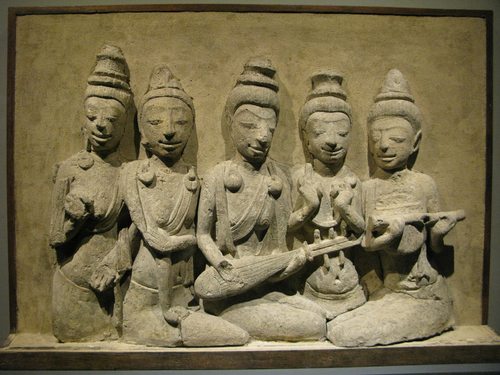
ประติมากรรมปูนปั้นรูปนักดนตรี
ประติมากรรมปูนปั้นนี้ทำรูปสตรี 5 คน นั่งพับเพียบเรียงกัน สวมเฉพาะผ้านุ่ง ท่อนบนมีเพียงผ้าคล้องไหล่ไว้เท่านั้น สตรีทางซ้ายสันนิษฐานว่ากำลังตีกรับ สตรีคนถัดมาน่าจะทำหน้าที่ขับร้อง สตรีคนกลางถือเครื่องดนตรีประเภทพิณ 5 สาย คล้ายกระจับปี่หรือซึง สตรีคนถัดมาทำหน้าที่ตีฉิ่ง และสตรีทางขวาสุดกำลังดีดพิณ
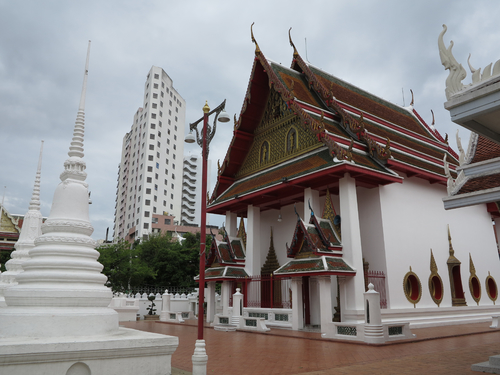
สถาปัตยกรรมพระอุโบสถวัดทองนพคุณ
พระอุโบสถเป็นอาคารทรงไทยประเพณี ตัวอาคารก่ออิฐถือปูน หลังคาซ้อนชั้นเครื่องไม้มุงกระเบื้อง หน้าบันประดับช่อฟ้า ใบระกา หางหงส์ นาคสะดุ้ง สันนิษฐานว่าเป็นงานในรุ่นหลังรัชกาลที่ 3 เนื่องจากมีการประดับตกแต่งที่ใช้รูปสัญลักษณ์ต่างๆ มากยิ่งขึ้นซึ่งเป็นลักษณะเฉพาะในสมัยรัชกาลที่ 4 หน้าบันพระอุโบสถซ้อน 2 ชั้น ชั้นบนเป็นรูปพานประดิษฐานพระไตรปิฎก ขนาบด้วยเชิงเทียน ชั้นล่างเป็นช่องประดับปริมากรรมรูปเทพนม โดยน่าจะมีความสอดคล้องกับภาพจิตรกรรมภายในพระอุโบสถที่เขียนภาพคัมภีร์พระไตรปิฎก ช่องประตูทางเข้าพระอุโบสถมี 3 ช่อง ซุ้มประตูช่องกลางเป็นรูปมงกุฎ อีก 2 ช่อง เป็นซุ้มยอดทรงปราสาท ซุ้มหน้าต่างช่องกลางเป็นรูปมงกุฎ อีก2ซุ้มที่ขนาบข้างเป็นรูปพัดยศ