ค้นหางานศิลปกรรม
ฐานข้อมูลศิลปกรรมในเอเชียตะวันออกเฉียงใต้
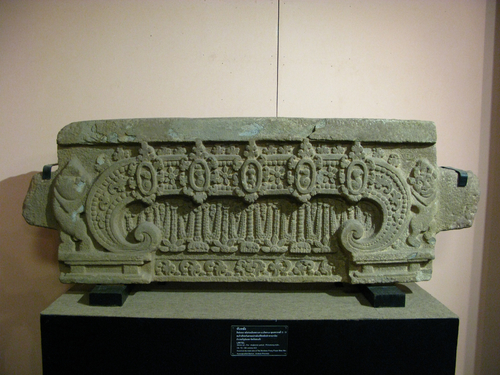

ประติมากรรมทับหลังจากปราสาทเขาน้อยหลังเหนือ
ทับหลังทรงสี่เหลี่ยมผืนผ้า ตรงกลางสลักลายเส้นตรงที่มีส่วนปลายเป็นวงโค้งพาดผ่านกลางทับหลัง ลานเส้นตรงที่มีปลายเป็นวงโค้งนี้ตกแต่งด้วยลายวงรูปไข่ที่มีลวดลายตกแต่งอยู่ภายในและภายนอกจำนวน 5 วงเป็นองค์ประกอบหลัก ใต้ลายเส้นตรงสลักลายพวงมาลัยและอุบะ ถัดจากปลายวงโค้งทั้งสองข้างเป็นรูปสิงห์ในท่ายืน ปลายวงโค้งและสิงห์รองรับด้วยแท่นฐานสี่เหลี่ยม ตรงกลางระหว่างแท่นสี่เหลี่ยมในตำแหน่งขอบล่างของทับหลังสลักตกแต่งด้วยลายกนก
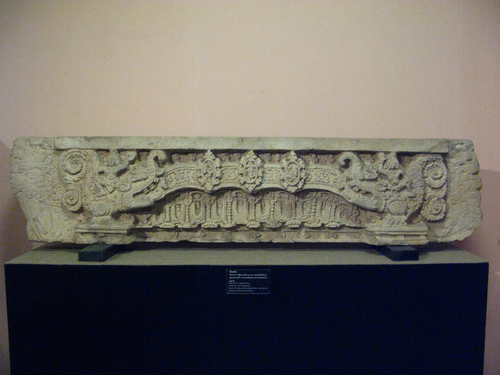
ประติมากรรมทับหลังจากปราสาทเขาน้อยหลังเหนือ
ทับหลังทรงสี่เหลี่ยมผืนผ้า ตรงกลางสลักลายวงโค้ง 4 วงต่อเนื่องกัน จุดบรรจบของแต่ละวงโค้งตกแต่งด้วยลายวงรูปไข่ที่ประดับภายในด้วยภาพเทพเจ้าทรงพาหนะ ใต้วงโค้งสลักลายพวงมาลัยและอุบะ ถัดจากปลายวงโค้งทั้งสองข้างเป็นรูปมกรหันหน้าเข้าสู่ด้านใน อ้าปากราวกับว่ากำลังคายท่อนวงโค้ง มีรูปบุคคลนั่งเหนือมกร และมีแท่นฐานสี่เหลี่ยมรองรับมกร
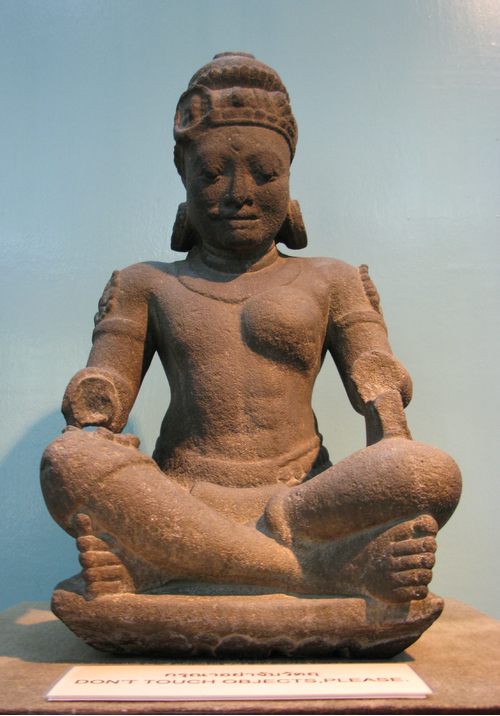
ประติมากรรมพระอรรธนารีศวร
พระอรรถนารีศวรอยู่ในอิริยาบถนั่งขัดสมาธิแบบไขว้พระชงฆ์ หรือแบบโยคาสนะ มีแท่นฐานสี่เหลี่ยมที่ตกแต่งด้วยกลีบบัวรองรับ พระกรทั้งสองข้างหักหายจึงไม่ทราบว่าทำท่าทางใด ด้านขวาของประติมากรรมเป็นพระศิวะสังเกตได้จากพระอุระที่เรียบ ด้านซ้ายของประติมากรรมเป็นพระอุมาโดยสังเกตได้จากพระถันที่นูนเด่นชัด นอกจากนี้ความแตกต่างระหว่างด้านทั้งสองยังเห็นได้จากผ้านุ่ง โดยด้านของพระศิวะเป็นผ้านุ่งสั้นระดับพระชานุ ในขณะที่ผ้านุ่งของพระอุมายาวถึงกึ่งกลางพระชงฆ์
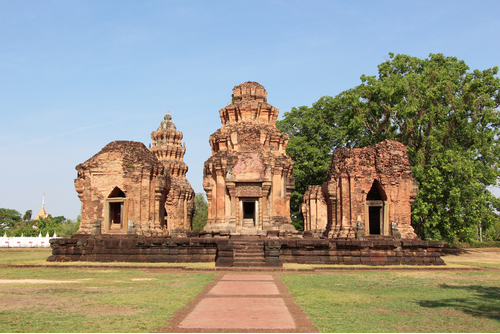
สถาปัตยกรรมปราสาทศีขรภูมิ
ประกอบด้วยปราสาทอิฐจำนวน 5 หลังตั้งอยู่บนฐานเดียวกัน ปราสาทประธานมีขนาดใหญ่ที่สุดในขณะที่อีก 4 หลังตั้งอยู่ที่มุม ทั้ง 4 ปราสาทล้อมรอบด้วยคูน้ำยกเว้นทางด้านทิศตะวันออกซึ่งเป็นทางเข้าปราสาทแห่งนี้สร้างขึ้นในพุทธศตวรษที่ 17 ซึ่งตรงกับศิลปะร่วมแบบนครวัด โดยสามารถกำหนดอายุได้จากลวดลายบนกรอบประตูและทับหลังของปราสาทประธาน อย่างไรก็ดี ปราสาทแห่งนี้ยังคงสร้างด้วยอิฐ อันแตกต่างไปจากปราสาทสมัยนครวัดในประเทศกัมพูชาที่นิยมสร้างด้วยหินทรายเสมอแผนผังของปราสาทศรีขรภูมิ มีความพิเศษที่แตกต่างไปจากปราสาทหลังอื่นๆในประเทศไทย เนื่องจากเป็นปราสาท 5 หลังที่ตั้งอยู่บนฐานไพทีเดียวกัน โดยปราสาทประธานตั้งอยู่ตรงกลางและล้อมรอบไปด้วปราสาทบริวารอีก 4 มุม ลักษระเช่นนี้แตตก่งไปจากปราสาทที่พบในประทศไทยโดยทั่วไปที่มักเป็นปราสาท 3 หลังเรียงกันอยู่บนฐานไพทีปราสาทประธานของปราสาทศีขรภูมิ รวมถึงปราสาทหลังอื่นๆ มีลักษณะเป็นปราสาทเดี่ยวที่ไม่มีการต่อเชื่อมมณฑป ส่วนที่เป็นผนังเรียบๆ มักใช้อิฐเป็นวัสดุหลัก ส่วนที่ต้องสลัก เช่น ทับหลัง เสาประดับกรอบประตูและเสากรอบประตู มักใช้หินทรายในการสลัก การปะปนกันของวัสดุสองประเภทนี้ ปรากฏมาก่อนแล้วตั้งแต่ปราสาทสระกำแพงใหญ่ซึ่งตั้งอยู่ในบริเวณใกล้เคียงกัน และถือเป็นลักษณะพื้นเมืองของปราสาทขอมในดินแดนไทยเอง เนื่องจากปราสาทสมัยนครวัดในประเทศกัมพูชาย่อมสลักด้วยหินทรายเสมอ เนื่องจากปราสาทประธานปรากฏทับหลังรูปศิวนาฏราช จึงเป็นไปได้สูงที่ปราสาทหลังนี้สร้างขึ้นในลัทธิไศวนิกาย ปราสาททั้งห้าหลังนี้จึงอาจเคยประดิษฐานศิวลึงค์อันเป็นสัญลักษณ์ของพระศิวะก็ได้ ในระยะหลัง ปราสาทแห่งนี้ถูกเปลี่ยนแปลงเป็นศาสนสถานในพุทธศาสนาเถรวาทโดยชาวลาวที่อพยพเข้ามาภายหลัง หลักฐานที่สำคัญได้แก่จารึกกรอบประตูและการซ่อมแปลงยอดของปราสาทบริวารหลังตะวันตกเฉียงใต้มีลักษณะคล้ายพระธาตุศิลปะล้านช้างในพุทธศาสนา มีการก่อยอดขึ้นไปใหม่เลียนแบบยอดปราสาทในศิลปะขอมแต่มีรูปแบบแตกต่างไปจากต้นแบบอย่างชัดเจน ส่วนกลีบขนุนก็มีการนำขึ้นไปจัดเรียงใหม่ด้วย
สถาปัตยกรรมปราสาทบ้านพลวง
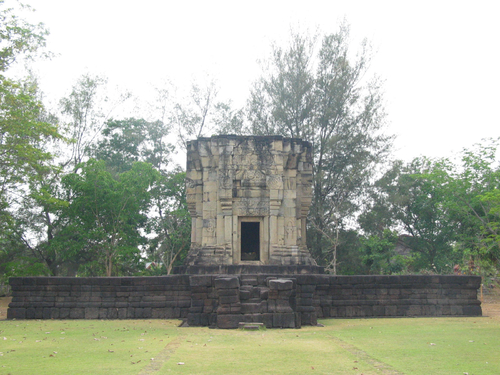
เป็นปราสาทขนาดเล็กหลังเดียวสร้างจากหินทราย ตั้งอยู่บนฐานไพทีรูปกากบาทขนาดใหญ่ที่สร้างจากศิลาแลง การที่ฐานศิลาแลงนี้มีปีก 2 ข้างซึ่งมีขนาดใหญ่กว่าตัวปราสาทมากจึงทำให้คิดไปได้ว่าอาจเคยมีแผนในการสร้างปราสาทบริวารด้วย แต่ปัจจบันไม่ปรากฏแล้ว โดยที่ไม่ทราบว่าเนื่องจากปราสาทดังกล่าวไม่เคยสร้างเสร็จ หรือเคยเป็นไม้จึงได้สูญหายไปหมดแล้วปราสาทหลังนี้เป็นตัวอย่างปราสาทขนาดเล็กที่มีภาพสลักที่ค่อนข้างสมบูรณ์ ประตูหลักอยู่ทางทิศตะวันออกในขณะที่อีกสามด้านเป็นประตูหลอก ตัวปราสาทมีภาพสลักในศิลปะร่วมแบบบาปวนอย่างงดงามทั้งบนทับหลังและหน้าบันอันทำให้พอกำหนดอายุได้ว่าอาจมีอายุในราวพุทธศตวรรษที่ 16 ถึงต้นพุทธศตวรรษที่ 17 สำหรับยอดของปราสาทนั้นอาจเป็นไปได้ที่เคยก่อด้วยอิฐมาก่อน เมื่อเวลาผ่านไปจึงสูญหายไปตามกาลเวลาทับหลังของปราสาทหลังนี้มักประกอบด้วยหน้ากาลแลบลิ้นสามเหลี่ยมคายท่อนพวงมาลัยตามแบบบาปวนโดยทั่วไป บางครั้งทับหลังก็มีพวงอุบะมาแบ่งตรงเสี้ยว บางครั้งก็ไม่มีซึ่งลักษณะเช่นนี้เป็นการพิสูจน์ว่าทับหลังแบบมีเสี้ยวและไม่มีเสี้ยวนั้นได้รับความนิยมในระยะร่วมสมัยกันส่วนหน้าบันนั้นมีลักษณะเป็นแบบบาปวนโดยทั่วไปเช่นกัน กล่าวคือ มีกรอบหน้าบันเป็นรูปก้านต่อดอกหันหัวลง มีนาคที่มีกระบังหน้า ภายในหน้าบันประกอบด้วยลายพรรณพฤกษาที่มีหน้ากาลคายอยู่เบื้องล่าง อนึ่ง เนื่องจากนาคปลายกรอบหน้าบันเริ่มมีกระบังหน้าแล้ว จึงอาจเป็นไปได้ที่ปราสาทหลังนี้คงมีอายุอยู่ในสมัยบาปวนตอนปลาย และอาจมีอายุหลังจากปราสาทเขาพระวิหารและปราสาทเมืองต่ำเล็กน้อย ทั้งหน้าบันและทับหลังของปราสาทหลังนี้ แสดงภาพพระกฤษณะในตอนต่างๆ เช่น กฤษณะยกภูเขาโควรรธนะ และกฤษณะปราบนาคกาลียะ นอกจากนี้ยังปรากฏภาพพระอินทร์ทรงช้างเอราวัณในหลายจุดอีกด้วย
สถาปัตยกรรมปราสาทตาเมือนธม
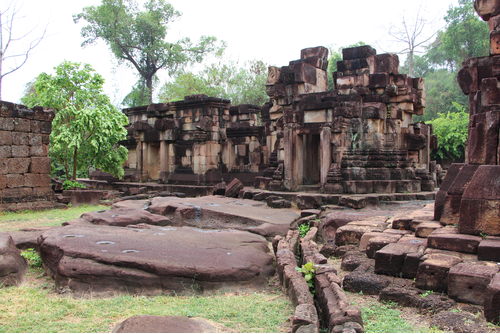
ปราสาทตาเมือนธม เป็นปราสาทขนาดใหญ่ก่อสร้างด้วยหินทรายและศิลาแลง 3 องค์ ประกอบด้วยปราสาทประธานขนาดใหญ่ แผนผังรูปสี่เหลี่ยมจัตุรัสย่อมุม ภายในห้องกลางปราสาทประดิษฐานศิวลึงค์ ซึ่งเป็นสัญลักษณ์แทนพระศิวะ เทพเจ้าสูงสุดในศาสนาพราหมณ์ ลัทธิไศวนิกาย ลักษณะของศิวลึงค์นี้ตกแต่งจากแท่งหินทรายธรรมชาติที่มีรูปร่างคล้ายศิวลึงค์ที่ตั้งอยู่บริเวณนี้มาแต่เดิม ภายหลังจึงสร้างปราสาทครอบ สันนิษฐานว่านี้น่าจะเป็นศิวลึงค์ที่เกิดขึ้นเอง เรียกว่า “สวายัมภูลึงค์” ซึ่งเป็นศิวลึงค์ที่สำคัญที่สุดของลัทธิไศวนิกาย ตัวปราสาทมีซุ้มประตู 4 ทิศ ประตูมุขด้านทิศใต้ต่อเข้ากับมุขหน้าหรือมณฑปยื่นออกมา โดยแบ่งเป็น 3 คูหา หลังคาทำด้วยหินทราย ปราสาทประธานมีการสลักลวดลายที่บริเวณฐาน โดยสลักเป็นรูปเทวรูปยืน นอกจากนี้ยังพบทับหลังหินทรายสลักภาพเทวดานั่งชันเข่าอยู่ภายในซุ้มบนแท่นเหนือหน้ากาลที่คายท่อนพวงมาลัยปราสาทบริวาร หรือ ปรางค์น้อยมี 2 องค์ สร้างด้วยหินทราย ตั้งอยู่ด้านหลังเยื้องไปทางซ้ายและขวาของปราสาทประธาน แผนผังเป็นรูปสี่เหลี่ยมจัตุรัสย่อมุม มีซุ้มประตูเข้าออกอยู่ด้านทิศใต้ ส่วนอีก 3 ด้านทำเป็นประตูหลอกบรรณาลัย จำนวน 2 หลัง สร้างด้วยศิลาแลง หลังหนึ่งตั้งอยู่ด้านทิศตะวันออกเฉียงใต้ของปราสาทประธาน แผนผังเป็นรูปสี่เหลี่ยมผืนผ้า ส่วนอีกหลังหนึ่งตั้งอยู่ด้านทิศตะวันตกเฉียงใต้ของปราสาทประธาน แผนผังเป็นรูปสี่เหลี่ยมจัตุรัสปราสาทประธาน ปรางค์บริวาร และบรรณาลัย มีระเบียงคดล้อมรอบ ซุ้มประตูหรือโคปุระสร้างด้วยหินทราย มีแผนผังเป็นรูปสี่เหลี่ยมจัตุรัส มีช่องทางเดินภายในกว้างประมาณ 1.40 เมตร มีซุ้มประตูทั้ง 4 ด้าน โดยซุ้มประตูด้านทิศเหนือ ตะวันออก และตะวันตก มีลักษณะเหมือนกัน ส่วนซุ้มประตูด้านทิศใต้จะมีขนาดใหญ่ที่สุด เป็นซุ้มประตูหลัก โดยแบ่งออกเป็น 3 คูหา คูหากลางมีแผนผังเป็นรูปกากบาท มีหน้าต่างติดลูกกรงหินและบริเวณระเบียงคดนี้ได้พบศิลาจารึกอักษรขอมโบราณ ภาษาสันสกฤตและเขมร ซึ่งเป็นตัวอักษรที่ใช้ในราวปลายพุทธศตวรรษที่ 16 มีเนื้อหากล่าวสรรเสริญพระศิวะและกล่าวถึงนามของทาสและเจ้าหน้าที่ผู้ดูแลรักษาเทวสถานแห่งนี้ นอกจากนี้ยังพบท่าน้ำสร้างด้วยหินทรายนอกระเบียงคดด้านทิศใต้ ห่างออกไปประมาณ 10 เมตร และสระน้ำกรุด้วยศิลาแลงสอบลงไปถึงก้นสระ อยู่บริเวณนอกระเบียงคดทิศตะวันตกเฉียงเหนือ
สถาปัตยกรรมปราสาทเมืองแขก
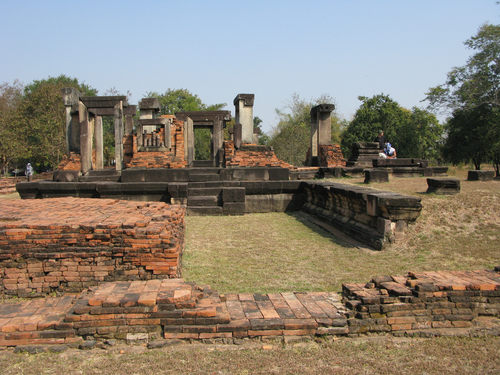
ปราสาทเมืองแขกมีขนาดค่อนข้างใหญ่ ก่อด้วยหินทรายและอิฐ แผนผังเป็นรูปสี่เหลี่ยมผืนผ้า หันหน้าไปทางทิศเหนือ สิ่งก่อสร้างสำคัญได้แก่ ปราสาทประธาน บรรณาลัย 2 หลัง ระเบียงคด ซุ้มประตูหรือโคปุระ กำแพงแก้ว สระน้ำ และปราสาทก่อด้วยอิฐขนาดเล็กลักษณะผังโบราณสถานแบ่งออกได้เป็น 3 ส่วน คือส่วนที่ 1 หรือส่วนในสุด ประกอบด้วยปราสาท 3 หลัง ก่อด้วยหินทรายและอิฐตั้งอยู่บนฐานเดียวกัน หัวหน้าไปทางทิศเหนือ เฉพาะองค์ปรางค์หรือปราสาทประธานมีมุขหรือมณฑปซึ่งมีลักษณะเป็นห้องต่อออกมาทางด้านหน้า มีบันไดขึ้นทั้งด้านหน้าและด้านข้างทั้ง 2 ข้าง พบฐานประติมากรรมหินทรายที่ครรภคฤหะของปราสาทประธานและปราสาทหลังด้านทิศตะวันออก อาคารทั้งสามหลังเหลือเพียงเฉพาะส่วนฐานและตัวอาคารบางส่วน รวมทั้งที่ปราสาทประธานยังคงหลงเหลือช่องหน้าต่างและลูกมะหวด เสาประดับกรอบประตู กรอบประตูหินทราย และทับหลังสลักภาพนารายณ์บรรทมสินธุ์ที่ด้านบนกรอบประตูหน้าสุดหรือส่วนมณฑปด้านข้างองค์ปรางค์ประธานมีฐานอาคารก่อด้วยอิฐ 2 หลัง อยู่ด้านซ้ายและขวาด้านละ 1 หลัง หันด้านหน้าเข้าสู่ปราสาทประธาน อาจเป็นวิหารหรือบรรณาลัย ในส่วนแรกนี้มีกำแพงแก้วก่อด้วยอิฐล้อมรอบ ทางด้านทิศตะวันออกของกำแพงมีอาคารอิฐผังสี่เหลี่ยมผืนผ้าก่อขนานยาวไปกับกำแพง อาคารหลังนี้มีประตูเข้าออกอยู่ด้านทิศตะวันตกและทิศเหนือ ยังคงหลงเหลือเสาประดับกรอบประตูอยู่ที่ประตูด้านทิศเหนือมีซุ้มประตูทางเข้าหรือโคปุระชั้นในอยู่ด้านเดียวคือด้านหน้าหรือด้านทิศเหนือ (มีช่องประตู 3 ช่อง) ที่ยังคงหลงเหลือกรอบประตูและเสาประดับกรอบประตูหินทราย นอกจากนี้ยังปรากฏฐานอาคารก่อด้วยอิฐอีก 2 หลังที่มุมกำแพงแก้วด้านหน้าของปราสาทประธาน ข้างโคปุระหรือซุ้มประตูชั้นในด้านหน้าหรือด้านทิศเหนือทั้ง 2 ด้าน ซ้ายและขวา โดยอาคารด้านขวามีทางเดินปูอิฐเชื่อมกับอาคารยาวที่ขนานไปกับกำแพงแก้วด้านทิศตะวันออกส่วนที่ 2 เป็นกำแพงชั้นนอก ซึ่งขุดเป็นสระเกือบจะล้อมรอบโบราณสถาน เว้นเพียงส่วนกลางด้านหน้า โดยใช้ดินที่ได้จากการขุดสระทำเป็นคันกำแพงล้อมรอบกำแพงแก้วและสระน้ำ ทางด้านทิศเหนือมีทางเดินเชื่อมกับส่วนในหรือส่วนที่หนึ่ง กำแพงชั้นนอกด้านหน้าหรือด้านทิศเหนือมีซุ้มประตูขนาดใหญ่หรือโคปุระชั้นนอกรูปกากบาท ตรงกับโคปุระชั้นใน (มีช่องประตู 3 ช่อง) ยังคงปรากฏช่องหน้าต่างและลูกมะหวดรวมทั้งกรอบประตูหินทรายส่วนที่ 3 อยู่นอกกำแพงชั้นนอกหรือส่วนที่สองออกมาทางด้านหน้าหรือด้านทิศเหนือ มีฐานอาคารก่อด้วยฐานก่อด้วยศิลาแลง หินทราย และอิฐ 2 หลัง ด้านซ้ายและขวาด้านละ 1 หลัง หันหน้าเข้าหากัน (อาคารหลังด้านขวาหันหน้าไปทางทิศตะวันตก ส่วนอาคารหลังด้านซ้ายหันหน้าไปทางทิศตะวันออก) ส่วนบนอาจจะสร้างด้วยไม้ ฐานอาคารทั้งสองหลังมีผังเป็นสี่เหลี่ยมมีมุขยื่นมาทางด้านหน้า ฐานสูง มีบันไดขึ้นสู่ด้านบนของฐานทั้ง 4 ด้าน มีกำแพงล้อมรอบ มีโคปุระที่ด้านหน้าและหลัง (ด้านหน้ามีขนาดใหญ่กว่า) ภายในห้องประธานของอาคารหลังด้านทิศตะวันตกมีฐานศิวลึงค์และโยนีหินทรายตั้งอยู่กลางห้อง เช่นเดียวกับอาคารหลังด้านทิศตะวันออกที่มีฐานประติมากรรมหินทรายตั้งอยู่กลางห้องประธาน จากการขุดค้นที่พบหลักฐานสำคัญ เช่น ศิวลึงค์ ฐานศิวลึงค์ หน้าบันสลักภาพอุมามเหศวร ทับหลังภาพพระอินทร์ทรงช้างเอราวัณ ทับหลังรูปพระนารายณ์บรรทมสินธุ์ ทับหลังรูปเทวดาประทับนั่งในซุ้มเหนือหน้ากาล ประติมากรรมโคนนทิ และจารึก 3 หลัก ทำให้สันนิษฐานได้ว่าศาสนสถานหลังนี้สร้างขึ้นเนื่องในศาสนาพราหมณ์ไศวนิกาย อายุราวปลายพุทธศตวรรษที่ 15 ถึงต้นพุทธศตวรรษที่ 16 ในศิลปะร่วมแบบเกาะแกร์-แปรรูป ส่วนจารึกระบุมหาศักราช 896 ตรงกับ พ.ศ.1517
สถาปัตยกรรมศาลตาผาแดง
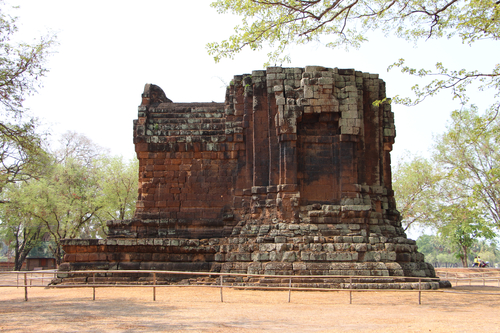
เป็นปราสาทแบบเขมรก่อด้วยศิลาแลงขนาดใหญ่ที่นิยมใช้ในงานก่อสร้างในวัฒนธรรมเขมร ส่วนยอดพังทลายไปแล้ว เหลือแต่ส่วนห้องที่เคยประดิษฐานรูปเคารพกับมุขทางเข้าที่เชื่อมต่อ หันหน้าไปทางทิศตะวันออก ส่วนล่างของอาคารเริ่มจากชั้นเขียงรองรับฐานบัวลูกฟัก เหนือจากฐานขึ้นไปคือเรือนธาตุทรงสี่เหลี่ยมจัตุรัสเพิ่มมุม และต่อมุขออกไปทางตะวันออก โดยมีบันไดทางขึ้นอยู่หน้ามุข อันเป็นแบบอย่างของปราสาทเขมรเช่นกัน ซึ่งต่อมาลักษณะดังกล่าวนี้ช่างสุโขทัยจะเลือกนำไปปรับปรุงอยู่ในเจดีย์รูปทรงใหม่ของตน ก่อนหน้านี้คงสร้างขึ้นในศาสนาฮินดูหรือศาสนาพุทธฝ่ายมหายาน ต่อขึ้นไปคือส่วนบนซึ่งพังทลายลงหมดแล้ว เชื่อว่าส่วนบนของปราสาทเป็นทรงแท่ง มีชั้นซ้อนเช่นเดียวกับปราสาทเขมรโดยทั่วไป