ค้นหางานศิลปกรรม
ฐานข้อมูลศิลปกรรมในเอเชียตะวันออกเฉียงใต้
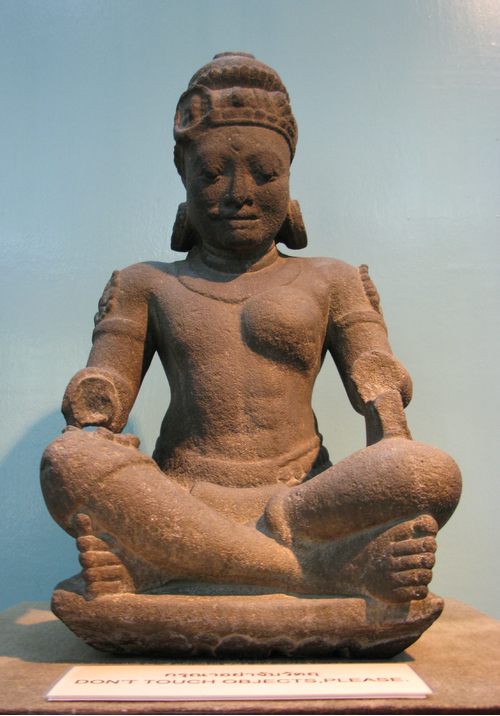

ประติมากรรมพระอรรธนารีศวร
พระอรรถนารีศวรอยู่ในอิริยาบถนั่งขัดสมาธิแบบไขว้พระชงฆ์ หรือแบบโยคาสนะ มีแท่นฐานสี่เหลี่ยมที่ตกแต่งด้วยกลีบบัวรองรับ พระกรทั้งสองข้างหักหายจึงไม่ทราบว่าทำท่าทางใด ด้านขวาของประติมากรรมเป็นพระศิวะสังเกตได้จากพระอุระที่เรียบ ด้านซ้ายของประติมากรรมเป็นพระอุมาโดยสังเกตได้จากพระถันที่นูนเด่นชัด นอกจากนี้ความแตกต่างระหว่างด้านทั้งสองยังเห็นได้จากผ้านุ่ง โดยด้านของพระศิวะเป็นผ้านุ่งสั้นระดับพระชานุ ในขณะที่ผ้านุ่งของพระอุมายาวถึงกึ่งกลางพระชงฆ์
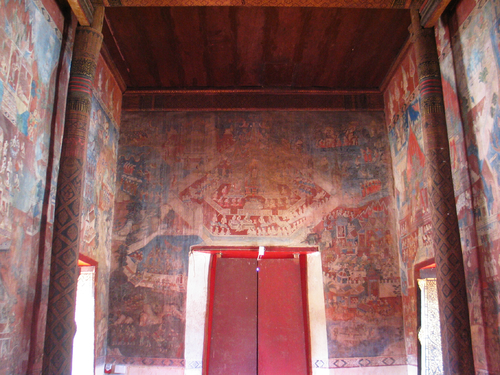
จิตรกรรมจิตรกรรมฝาผนัง วัดทุ่งศรีเมือง
จิตรกรรมฝาผนังที่หอพระพุทธบาทนี้มีการเขียนทั้งบนผนัง บานแผละ และเสา ที่ผนังเขียนเรื่องพระเวสสันดรชาดก พระมาลัย และพุทธประวัติ ที่บานแผละเขียนเรื่องปาจิตตกุมารชาดก จุลปทมุชาดกและสินไซ ที่เสาเขียนเรื่องสินไซ ลายเครือเถาและลายพุ่มข้าวบิณฑ์ โดยภาพจิตรกรรมแสดงเทคนิคที่น่าจะได้รับถ่ายทอดมาจากช่างหลวงในกรุงเทพมหานคร เช่น การเขียนตัวพระ-ตัวนาง การเขียนปราสาทราชวัง วรรณะสีแต่ก็มีการแทรกภาพวิถีชีวิตของชาวบ้านหรือภาพกากลงไปด้วย
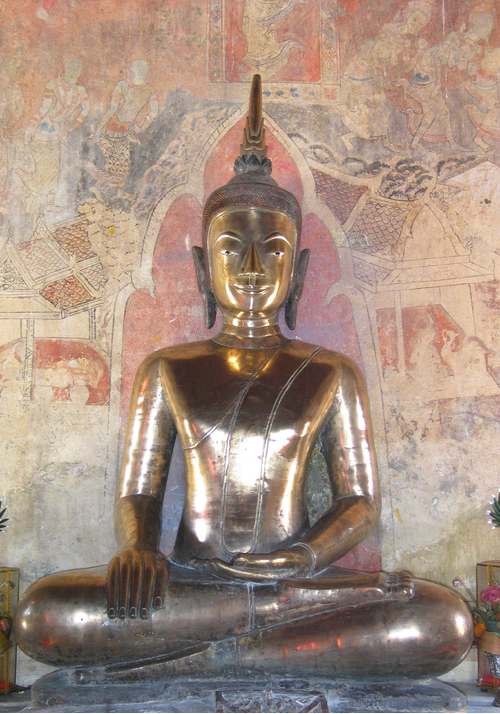
ประติมากรรมพระพุทธรูป วัดทุ่งศรีเมือง
พระพุทธรูปองค์นี้ประทับนั่งขัดสมาธิราบปางมารวิชัย พระพักตร์เสี้ยม เม็ดพระศกเล็ก พระรัศมีเป็นเปลวขนาดใหญ่และสูง มีเส้นขอบพระพักตร์ พระเนตรมองตรง พระนาสิกงุ้ม พระกรรณโค้งงอน ขอบพระโอษฐ์หนายิ้มแบบล้านช้าง ชายสังฆาฎิใหญ่ยาวจรดพระนาภี นิ้วพระหัตถ์ยาวเท่ากัน

จิตรกรรมภาพเขียนสีก่อนประวัติศาสตร์ผาแต้ม
สามารถแบ่งได้เป็น 4 กลุ่ม ตามชื่อหน้าผาเรียงต่อกันไปคือผาขาม ผาแต้ม ผาหมอนน้อย และผาหมอน ทั้งหมดนี้หันหน้าไปทางทิศตะวันออก1. ผาขามแสดงภาพปลาขนาดใหญ่ 4 ตัว ยาวประมาณ 0.35 - 1.00 เมตร เขียนด้วยสีแดงแบบเห็นโครงสร้างภายใน ( x-ray ) นอกจากนั้นมีภาพช้าง 1 ตัว ซึ่งมีขนาดเล็กกว่าปลามาก (ประมาณ 13 ซม.) และภาพสัตว์สี่เท้า 1 ตัว2. ผาแต้มภาพเขียนปรากฎมีตลอดแนวหน้าผายาว 180 เมตร สูงจากพื้นประมาณ 4 - 5 เมตร ภาพที่เขียนลงสีไว้มีมากกว่า 300 รูป ที่ผาแต้มนี้มีภาพที่เกิดจากการฝนเซาะร่องลงไปในเนื้อหินเป็นลายเส้นเรียงแถวตามแนวตรงบ้าง เฉียงบ้าง แนวนอนบ้าง สูงตั้งแต่ 5 - 15 ซม. ส่วนนี้ยังคงมีหลงเหลืออยู่ในช่วงยาวประมาณ 80 ซม.เท่านั้น อาจเป็นภาพสัญลักษณ์บางอย่างสำหรับภาพเขียนสีซึ่งมีอยู่เป็นจำนวนมากที่บริเวณนี้ ส่วนใหญ่เขียนด้วยสีแดง มีสีดำและสีขาวบ้าง แบ่งเป็นภาพคนซึ่งมีขนาดเล็ก พบเพียง 10 ภาพภาพสัตว์ เช่น ช้าง ปลา เต่าหรือตะพาบน้ำ สุนัข วัว ไก่หรือนก เป็นต้น มักแสดงภาพขนาดใหญ่ราวกับเท่าของจริง โดยเฉพาะช้างและปลาที่มีขนาดยาวถึง 4 เมตร สูงประมาณ 3 เมตร ภาพสัตว์นี้พบประมาณ 30 ภาพ ทั้งภาพคนและสัตว์ มักอยู่ในอาการเคลื่อนไหวภาพวัตถุสิ่งของ อาจเป็นเครื่องมือจับปลาที่เรียกว่า "ตุ้ม" และหน้าไม้ หรือคันธนูซึ่งคนกำลังถือใช้งานอยู่ภาพสัญลักษณ์ เป็นลายเส้นวกเวียนไปมา หรือเป็นเส้นหยัก ลูกคลื่นหรือฟันปลา ซึ่งอาจหมายถึง"น้ำ" หรือกับดักปลา ลายก้างปลา ลายรูปทรงเรขาคณิต ลายเส้นขนานคล้ายทุ่งนา เป็นต้นภาพมือ ซึ่งพบอยู่เป็นจำนวนมากกว่า 200 มือ มีทั้งมือผู้ใหญ่ และมือเด็ก และมีทั้งสีแดง สีดำ และสีขาว ภาพทุกประเภทเขียนอยู่ร่วมกันเสมอ โดยเฉพาะภาพมือ ปรากฏมีสอดแทรกกับภาพอื่นๆ ทุกภาพภาพเขียนส่วนมากเขียนแบบระบายสีเงาทึบ (silhouette) นอกนั้นเป็นแบบโครงร่างรอบนอก (outline) และแบบกิ่งไม้ (stick man) ส่วนภาพมือมีรูปแบบการทำหลายแบบ มีทั้งแบบพ่น (stencil) แบบทาบ (imprint) และแบบเขียนเส้นโครงรอบนอก (outline)3. ผาหมอนน้อยแสดงภาพคนสูงประมาณ 1.6 เมตร กำลังเหนี่ยวคันธนูเล็งไปยังสัตว์สี่ขาซึ่งอาจเป็นวัวตั้งครรภ์ ลำตัวยาวประมาณ 6.4 เมตร ต่อมาเป็นภาพคนสูงประมาณ 1.2 เมตร กำลังไล่สัตว์สี่ขามีเขาอาจเป็นกวางที่บุกรุกเข้าไปในนาข้าว ซึ่งรอบๆภาพกลุ่มนี้มีภาพมือทั้งซ้ายและขวาประมาณ 20 มือ ทำขึ้นโดยการทาสีบนฝ่ามือแล้วขูดสีบางส่วนที่นิ้วและฝ่ามือออกแล้วจึงทาบมือลงบนผนัง ถัดมาเป็นภาพสัตว์สี่ขา 3 ตัว ท้องป่องคล้ายตั้งครรภ์เช่นกัน กับภาพลายเส้นคล้ายตาข่ายดักสัตว์ นอกจากนี้ก็มีภาพลายเส้นคู่ขนานต่อกัน และภาพมือที่มีลักษณะเช่นเดียวกับกลุ่มแรกอีกประมาณ 15 มือ เรียงกันเป็นแถวยาวกับลายเส้นหยักขึ้นลงวกไปมาด้วย ภาพคนและสัตว์ระบายสีแดงแบบเงาทึบ (silhouette)เป็นที่น่าสังเกตว่าภาพเขียนสีที่ผาแต้มและผาหมอนน้อยนี้ ภาพทุกประเภทมีความสัมพันธ์เป็นเรื่องราวเดียวกัน ไม่ว่าจะเป็นภาพคนกับวัวกับภาพมือ ภาพปลากับมือ ภาพ"ตุ้ม"กับมือ และสัญลักษณ์ ภาพทุ่งนากับคนกับกวางกับมือ ภาพคนกำลังล่าวัวหรือกวาง4. ผาหมอนภาพทั้งหมดในส่วนนี้เขียนด้วยสีแดงแบบระบายเงาทึบ (silhouette) ประกอบด้วยภาพคนและสัตว์ กลุ่มแรกมีภาพคนเพียงคนเดียวกับภาพสัตว์สี่ขา 11 ตัว อาจเป็นช้าง วัว สุนัข และหมูหรือแกะหรือแพะเดินตามกันไปในทิศทางเดียวกัน (ยกเว้นสัตว์ตัวหนึ่งซึ่งอาจเป็นสุนัขที่หันหน้าเข้าหาฝูงสัตว์) กลุ่มที่สองเป็นภาพคนประมาณ 10 คน เขียนแบบระบายเงาทึบกับแบบกิ่งไม้ มีลักษณะค่อนข้างเหมือนจริง แสดงกล้ามเนื้อน่องโป่งพองด้วย ภาพที่น่าสนใจของที่ผาหมอนนี้คือภาพคนนุ่งกระโปรงยาวครึ่งน่อง ยืนท้าวสะเอว มีขนาดใหญ่กว่าภาพคนอื่นๆ ไม่รู้แน่ว่าเป็นหญิงหรือชาย นอกจากนี้มีภาพมือข้างขวาของผู้ใหญ่แบบพ่น (stencil) 2 มือ และแบบทาบ (imprint) อีก 2 มือ และมือเด็กแบบทาบอีก 2 มือด้วย ภาพเขียนสีทั้ง 4 กลุ่มนี้จะเห็นได้ว่ามีภาพมือเข้าไปเกี่ยวข้องด้วยเสมอ อาจหมายถึงการร่วมมือร่วมแรงกันทำกิจกรรมบางอย่าง เช่น ร่วมมือกันจับปลา ทำการเพาะปลูก เลี้ยงสัตว์ หรือล่าสัตว์ แสดงให้เห็นถึงวิถีชีวิตความเป็นอยู่ของผู้วาดภาพเหล่านั้นว่าอยู่ในสังคมเกษตรกรรม และยังอาจหมายถึงการมีความเชื่อร่วมกันในเรื่องความอุดมสมบูรณ์อีกด้วย