ค้นหางานศิลปกรรม
ฐานข้อมูลศิลปกรรมในเอเชียตะวันออกเฉียงใต้


ประติมากรรมพระพุทธรูปไสยาสน์
พระพุทธรูปสร้างโดยการนำเอาหินทรายขนาดใหญ่มาเรียงกันแล้วสลักเป็นพระพุทธรูป ประทับไสยาสน์แบบตะแคงขวาหรือสีหไสยาสน์ พระกรขวาวางราบกับพื้นรองรับพระเศียร พระวรกายเหยียวยาว พระกรซ้ายวางทับอยู่ด้านบน พระบาททั้ง 2 ข้างวางเสมอกัน พระพักตร์ทำจากหินทรายหลายก้อนมาเรียงซ้อนกัน มีรูปแบบทั่วไปตามศิลปะทวารวดี คือ พระพักตร์แลดูเหลี่ยม พระขนงเป็นสันและต่อเป็นปีกกา พระเนตรเหลือบต่ำและโปน พระนาสิกใหญ่ พระโอษฐ์แบะกว้าง
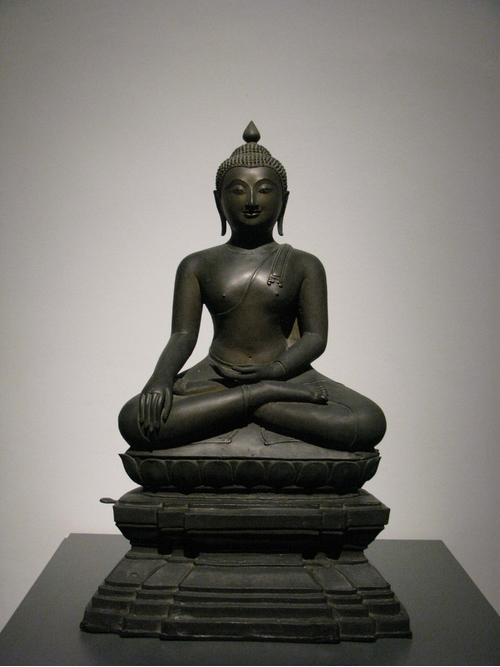
ประติมากรรมพระพุทธรูปปางมารวิชัย
พระพุทธรูปนั่งขัดสมาธิเพชร พระหัตถ์ทำปางมารวิชัย รองรับด้วยฐานกลีบบัวหงายและชุดฐานบัวยกเก็จ รูปแบบโดยรวมสะท้อนแรงบันดาลใจจากพระพุทธรูปล้านนาแบบสิงห์หนึ่ง ลักษณะเด่นได้แก่ พระพักตร์กลม พระรัศมีรูปดอกบัวตูม พระวรกายอวบอ้วน ครองจีวรห่มเฉียง ชายสังฆาฏิขนาดเล็กพาดผ่านพระอังสาซ้าย ปลายอยู่เหนือพระถันหยักโค้งไปมา เรียกกันว่าแบบเขี้ยวตะขาบ
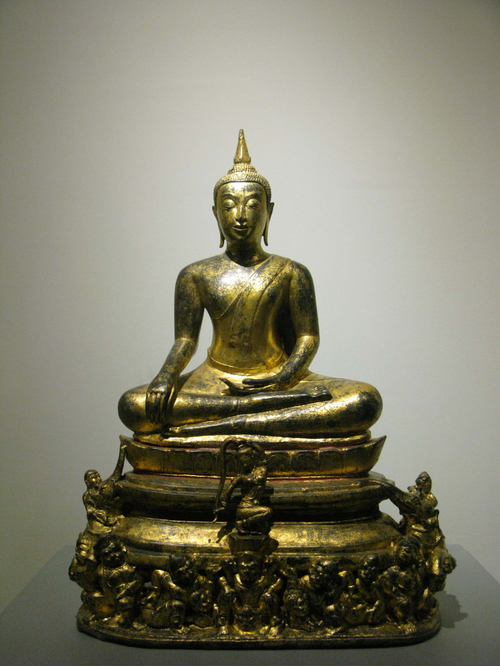
ประติมากรรมพระพุทธรูปปางมารวิชัย
พระพุทธรูปอยู่ในอิริยาบถนั่งขัดสมาธิราบ พระหัตถ์ทำปางมารวิชัย รองรับด้วยฐานสูงที่ประดับตกแต่งด้วยกลีบบัวหงายและเหตุการณ์ตอนตรัสรู้หรือชนะมารลักษณะเด่นของพระพุทธรูปคือ มีวงพระพักตร์ค่อนข้างเป็นวงรูปไข่ พระรัศมีเปลว โดยรวมสะท้อนการคลี่คลายจากศิลปะสุโขทัยอันเป็นรูปแบบหนึ่งของพระพุทธรูปศิลปะอยุธยาตอนกลาง ครองจีวรห่มเฉียง บางแนบเนื้อ ชายสังฆาฏิหรือชายจีวรพาดผ่านพระอังสาซ้ายยาวจรดพระนาภี ฐานรองรับพระพุทธรูปเป็นฐานสูงที่ประดับตกแต่งด้วยเหตุการณ์ตอนตรัสรู้ แถวล่างสุดเป็นกองทัพของพญามารที่เข้ามาผจญพระพุทธองค์ โดยตัวพญามารขี่ช้างอยู่ทางขวาของพระพุทธรูป ตรงกลางในตำแหน่งที่เหนือกว่าไพร่พลมารขึ้นมาเป็นรูปแม่พระธรณีกำลังบีบมวยผม ด้านซ้ายของพระพุทธรูปเป็นพญามารบนหลังช้างกำลังพ่ายแพ้

ประติมากรรมพระพุทธรูปปางมารวิชัย
พระพุทธรูปอยู่ในอิริยาบถนั่งขัดสมาธิราบปางมารวิชัยบนฐานบัวที่ไม่มีการประดับตกแต่งใดๆ รูปแบบในภาพรวมสะท้อนถึงการสืบต่อจากพระพุทธรูปรุ่นก่อนกรุงศรีอยุธยา-อยุธยาตอนต้น หรือพระพุทธรูปอู่ทองรุ่นที่ 1 และรุ่นที่ 2 ในขณะเดียวกันก็มีความสัมพันธ์กับพระพุทธรูปหมวดใหญ่ในศิลปะสุโขทัยด้วย รูปแบบสำคัญของพระพุทธรูปองค์นี้ที่สืบต่อจากพระพุทธรูปอู่ทองรุ่นที่ 1 และ 2 ได้แก่ นั่งขัดสมาธิราบพระหัตถ์ทำปางมารวิชัยอยู่บนฐานบัวเกลี้ยงๆ เม็ดพระศกเทียบได้ดังหนามขนุน ส่วนความสัมพันธ์กับพระพุทธรูปสุโขทัยเห็นได้จากพระรัศมีรูปเปลวไฟ พระพักตร์วงรูปไข่ พระขนงโก่งโค้ง แม้มีไรพระศกเช่นพระพุทธรูปอู่ทอง แต่การหยักแหลมที่กึ่งกลางพระนลาฏล้อตามความโก่งโค้งของพระขนงและบริเวณพระกรรเจียก (ขมับ) ไม่หยักแหลม ย่อมสัมพันธ์กับแนวพระเกศาในพระพุทธรูปศิลปะสุโขทัยหมวดใหญ่ พระพุทธรูปองค์นี้ครองจีวรห่มเฉียง ชายสังฆาฏิหรือชายจีวรเป็นแถบสี่เหลี่ยมพาดผ่านพระอังสาซ้ายยาวจรดพระนาภี ปลายตัดตรง พระหัตถ์ขวาวางอยู่บริเวณพระชงฆ์มีความอ่อนช้อยกว่าพระพุธรูปอู่ทองรุ่นที่ 1 และ 2 ซึ่งน่าจะเป็นอีกประเด็นหนึ่งที่สัมพันธ์กับพระพุทธรูปสุโขทัย
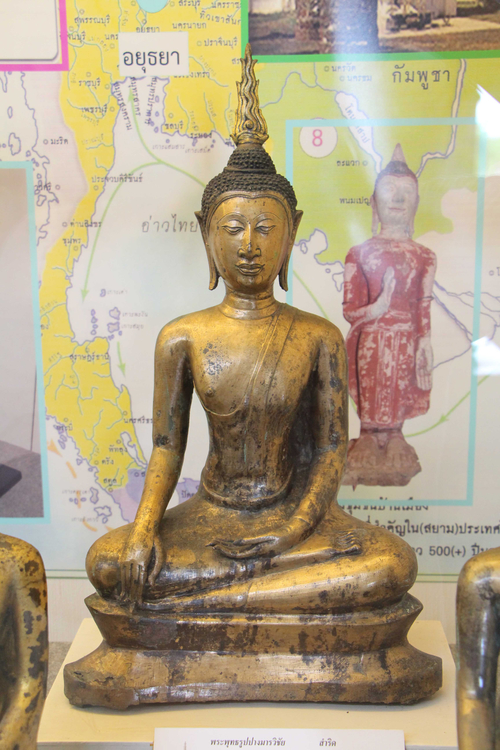
ประติมากรรมพระพุทธรูปปางมารวิชัย
พระพุทธรูปอยู่ในอิริยาบถนั่งขัดสมาธิราบปางมารวิชัยบนฐานบัวที่ไม่มีการประดับตกแต่งใดๆ รูปแบบในภาพรวมสะท้อนถึงการสืบต่อจากพระพุทธรูปรุ่นก่อนกรุงศรีอยุธยา-อยุธยาตอนต้น หรือพระพุทธรูปอู่ทองรุ่นที่ 1 และรุ่นที่ 2 ในขณะเดียวกันก็มีความสัมพันธ์กับพระพุทธรูปหมวดใหญ่ในศิลปะสุโขทัยด้วยรูปแบบสำคัญของพระพุทธรูปองค์นี้ที่สืบต่อจากพระพุทธรูปอู่ทองรุ่นที่ 1 และ 2 ได้แก่ นั่งขัดสมาธิราบพระหัตถ์ทำปางมารวิชัยอยู่บนฐานบัวเกลี้ยงๆ เม็ดพระศกเทียบได้ดังหนามขนุน ส่วนความสัมพันธ์กับพระพุทธรูปสุโขทัยเห็นได้จากพระรัศมีรูปเปลวไฟ พระพักตร์วงรูปไข่ พระขนงโก่งโค้ง แม้มีไรพระศกเช่นพระพุทธรูปอู่ทอง แต่การหยักแหลมที่กึ่งกลางพระนลาฏล้อตามความโก่งโค้งของพระขนงและบริเวณพระกรรเจียก (ขมับ) ไม่หยักแหลม ย่อมสัมพันธ์กับแนวพระเกศาในพระพุทธรูปศิลปะสุโขทัยหมวดใหญ่ พระพุทธรูปองค์นี้ครองจีวรห่มเฉียง ชายสังฆาฏิหรือชายจีวรเป็นแถบสี่เหลี่ยมพาดผ่านพระอังสาซ้ายยาวจรดพระนาภี ปลายตัดตรง พระหัตถ์ขวาวางอยู่บริเวณพระชงฆ์มีความอ่อนช้อยกว่าพระพุธรูปอู่ทองรุ่นที่ 1 และ 2 ซึ่งน่าจะเป็นอีกประเด็นหนึ่งที่สัมพันธ์กับพระพุทธรูปสุโขทัย
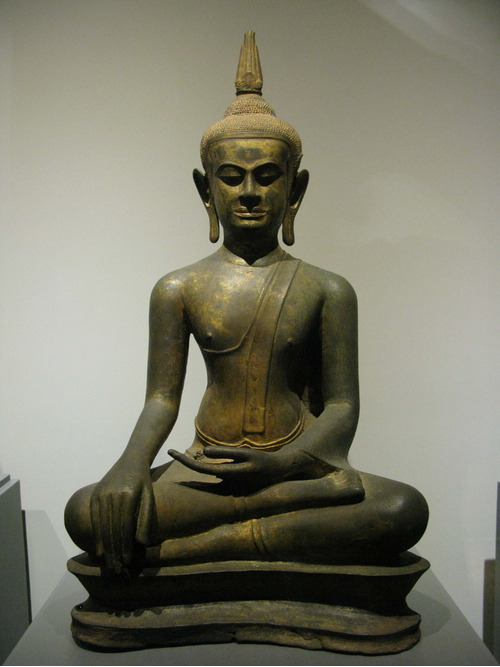
ประติมากรรมพระพุทธรูปปางมารวิชัย
พระพุทธรูปอยู่ในอิริยาบถนั่งขัดสมาธิราบปางมารวิชัยบนฐานบัวที่ไม่มีการประดับตกแต่งใดๆรูปแบบสำคัญของพระพุทธรูปองค์นี้ที่ช่วยในการกำหนดอายุและสะท้อนถึงเรื่องราวในอดีตได้ ได้แก่ พระพักตร์เหลี่ยม ไรพระศกเป็นแถบเหนือพระนลาฏและหยักเป็นมุมแหลมบริเวณพระกรรเจียก (ขมับ) สิ่งเหล่านี้สิบต่อมาจากพระพุทธรูปศิลปะเขมรในประเทศไทย ถัดขึ้นไปมีพระเกศาเป็นตุ่มเล็กเปรียบได้กับหนามขนุน พระอุษณีษะทรงครึ่งวงกลม พระรัศมีเปลวไฟ สะท้อนถึงความแตกต่างไปจากศิลปะเขมรในประเทศไทย แต่อาจสัมพันธ์กับศิลปะสุโขทัยโดยเฉพาะการทำพระรัศมีรูปเปลวไฟ พระพุทธรูปองค์นี้ครองจีวรห่มเฉียง ชายสังฆาฏิหรือชายจีวรเป็นแถบสี่เหลี่ยมใหญ่พาดผ่านพระอังสาซ้ายยาวจรดพระนาภี พระหัตถ์ขวาวางอยู่บริเวณพระชงฆ์มีขนาดใหญ่และแลดูเทอะทะ
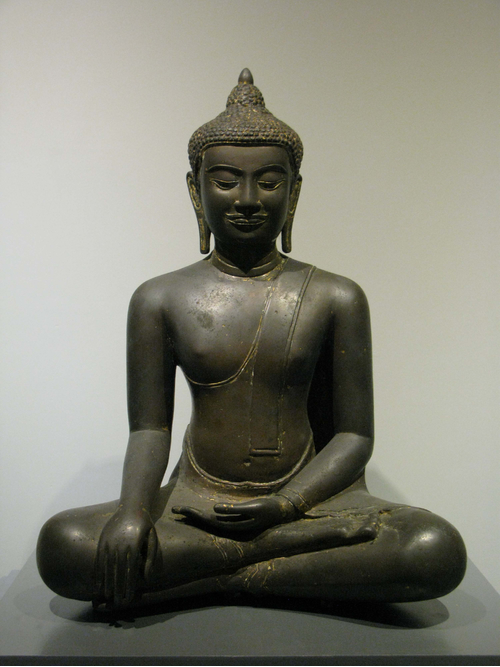
ประติมากรรมพระพุทธรูปปางมารวิชัย
พระพุทธรูปอยู่ในอิริยาบถนั่งขัดสมาธิราบปางมารวิชัยสุนทรียภาพที่แสดงถึงอายุสมัยว่าสร้างขึ้นก่อนกรุงศรีอยุธยาเป็นราชธานีหรือระยะแรกสุด ได้แก่ ความสัมพันธ์กับศิลปะเขมรในประเทศไทย ได้แก่ พระพักตร์เหลี่ยม ไรพระศกเป็นแถบเหนือพระนลาฏ หยักเป็นมุมแหลมบริเวณพระกรรเจียก (ขมับ) อย่างไรก็ตามพระพุทธรูปองค์นี้ทำพระอุษณีษะทรงครึ่งวงกลมและพระรัศมีรูปลูกแก้วหรือดอกบัวตูม ซึ่งแตกต่างไปจากพระพุทธรูปศิลปะเขมรในประเทศไทยทั่วไป ลักษณะนี้แสดงถึงการคลี่คลายหรือห่างไกลออกมาจากศิลปะเขมรในประเทศไทยแล้ว ซึ่งอาจช่วยกำหนดอายุพระพุทธรูปองค์นี้ว่าสร้างขึ้นก่อนกรุงศรีอยุธยาเป็นราชธานีเล็กน้อย หรือสร้างขึ้นระยะแรกสุดของสมัยอยุธยาตอนต้น พระพุทธรูปองค์นี้ครองจีวรห่มเฉียง ชายสังฆาฏิหรือชายจีวรเป็นแถบสี่เหลี่ยมใหญ่พาดผ่านพระอังสาซ้ายยาวจรดพระนาภี
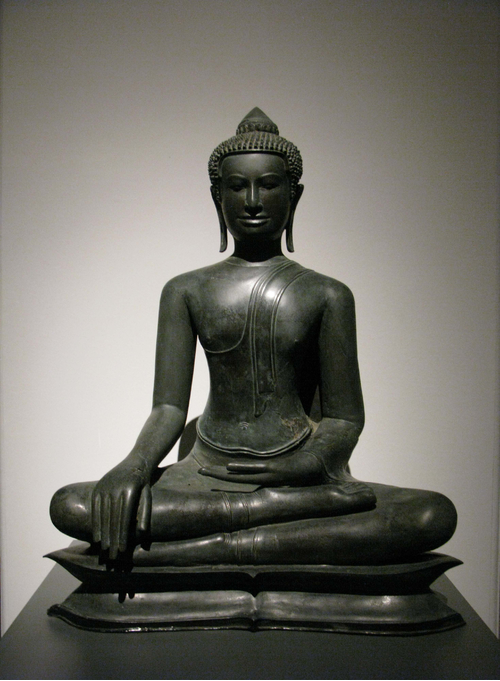
ประติมากรรมพระพุทธรูปปางมารวิชัย
พระพุทธรูปอยู่ในอิริยาบถนั่งขัดสมาธิราบปางมารวิชัยอยู่บนฐานบัวเกลี้ยงไม่ประดับลายสุนทรียภาพที่สัมพันธ์กับศิลปะเขมรในประเทศไทยแบบบายนหรือหลังบายน ได้แก่ พระพักตร์เหลี่ยม ไรพระศกเป็นแถบเหนือพระนลาฏ หยักเป็นมุมแหลมบริเวณพระกรรเจียก (ขมับ) พระอุษณีษะทรงกรวยแหลมรองรับด้วยแถวกลีบบัว พระพุทธรูปองค์นี้ครองจีวรห่มเฉียง โดยเส้นชายจีวรที่พาดผ่านพระอุระขวาตวัดเป็นเส้นโค้งอาจสัมพันธ์กับศิลปะอินเดียแบบปาละไม่มากก็น้อย ชายสังฆาฏิหรือชายจีวรพาดผ่านพระอังสาซ้ายยาวจรดพระนาภี พระหัตถ์ขวาวางอยู่บริเวณพระชงฆ์ แลดูใหญ่และเทอะทะ เป็นลักษณะหนึ่งของพระพุทธรูปยุคก่อนกรุงศรีอยุธยา