ค้นหางานศิลปกรรม
ฐานข้อมูลศิลปกรรมในเอเชียตะวันออกเฉียงใต้
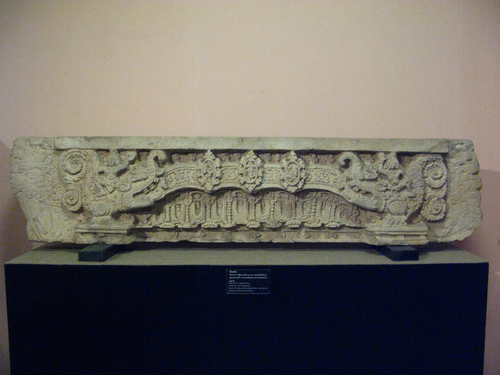

ประติมากรรมทับหลังจากปราสาทเขาน้อยหลังเหนือ
ทับหลังทรงสี่เหลี่ยมผืนผ้า ตรงกลางสลักลายวงโค้ง 4 วงต่อเนื่องกัน จุดบรรจบของแต่ละวงโค้งตกแต่งด้วยลายวงรูปไข่ที่ประดับภายในด้วยภาพเทพเจ้าทรงพาหนะ ใต้วงโค้งสลักลายพวงมาลัยและอุบะ ถัดจากปลายวงโค้งทั้งสองข้างเป็นรูปมกรหันหน้าเข้าสู่ด้านใน อ้าปากราวกับว่ากำลังคายท่อนวงโค้ง มีรูปบุคคลนั่งเหนือมกร และมีแท่นฐานสี่เหลี่ยมรองรับมกร
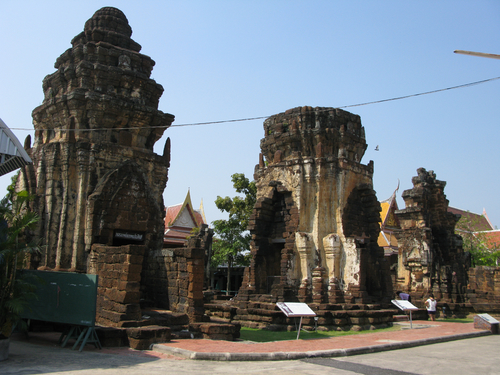
สถาปัตยกรรมปราสาทกำแพงแลง
ปราสาทกำแพงแลงมีผังพื้นล้อมรอบด้วยกำแพงศิลาแลงเป็นรูปสี่เหลี่ยมจัตุรัส หันหน้าไปทางทิศตะวันออก ภายในกำแพงศิลาแลงเป็นที่ตั้งของปราสาทศิลาแลงแบบศิลปะเขมรทั้งหมด 4 องค์ ปราสาท 3 องค์ทางด้านหน้าวางตัวเรียงกันในแนวเหนือ-ใต้ โดยปราสาทประธานมีขนาดสูงใหญ่กว่าอีก 2 องค์ คล้ายกับปรางค์สามยอด ลพบุรี ส่วนปราสาทองค์ที่ 4 ตั้งอยู่ด้านหลังของปราสาทประธานด้านทิศตะวันออก และยังปรากฏลวดลายปูนปั้นประดับปราสาท ด้านหน้ามีโคปุระหรือซุ้มประตูทางเข้า 1 หลัง ภายในกำแพงศิลาแลงยังพบสระน้ำอยู่ชิดขอบกำแพงทางทิศตะวันออกด้วยนอกจากนี้ยังพบโบราณวัตถุสำคัญ ได้แก่ พระโพธิสัตว์โลเกศวรเปล่งรัศมี, ส่วนพระวรกายของพระโพธิสัตว์โลเกศวรสี่กร, ส่วนพระวรกายของพระพุทธรูปนาคปรกทรงเครื่อง, เศียรนางปรัชญาปารมิตา จากการใช้ศิลาแลงเป็นวัสดุหลักในการสร้างปราสาท และลักษณะของการวางผังปราสาททิศเหนือ ปราสาทองค์กลาง และปราสาททิศใต้ เป็นไปในลักษณะการวางตามคติการนับถือรัตนตรัยมหายาน ปราสาททิศเหนือได้แก่พระนางปรัชญาปารมิตา ปราสาทองค์กลาง คือพระวัชรสัตว์นาคปรก และจากปราสาททิศใต้ได้แก่ พระโพธิสัตว์อวโลกิเตศวร ซึ่งคติการนับถือรูปเคารพทั้งสามรูปเรียงกันในแนวนี้ เป็นคติการนับถือรูปเคารพในพุทธศาสนามหายาน สมัยพระเจ้าชัยวรมันที่ 7 พุทธศตวรรษที่ 18 จึงสามารถกำหนดอายุเวลาในการสร้างปราสาทกำแพงแลงนี้ได้ว่าร่วมสมัยกับพระเจ้าชัยวรมันที่ 7 และจารึกที่ปราสาทพระขรรค์ ประเทศกัมพูชา กล่าวถึงเมือง “ศรีชัยวัชรปุระ” (เมืองเพชรบุรี) หนึ่งในหกเมืองโบราณในภาคกลางที่มีการกล่าวต่อไปอีกว่าได้มีการส่งพระชัยพุทธมหานาถ 1 ใน 23 องค์จากเมืองพระนครหลวง มาประดิษฐานที่เมืองเพชรบุรีนั่นก็คือปราสาทวัดกำแพงแลง และเมื่อเทียบกับโบราณสถานแล้ว ก็เป็นสิ่งที่ยืนยันได้ว่า ปราสาทกำแพงแลงแห่งนี้ ก็คือปราสาทที่กล่าวถึงในจารึกนั้น ซึ่งปราสาทพระขรรค์เป็นปราสาทที่ร่วมสมัยกับพระเจ้าชัยวรมันที่ 7 เช่นกัน
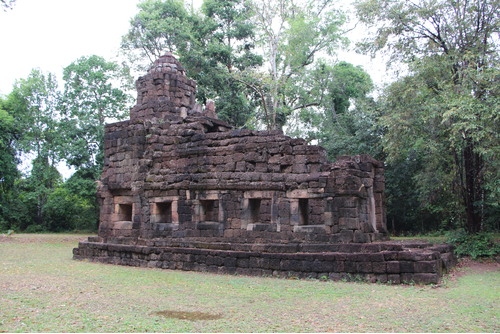
สถาปัตยกรรมปราสาทตาเมือน
รูปแบบแผนผังของปราสาทตาเมือน เป็นลักษณะของโบราณสถานที่เรียกว่า “ธรรมศาลา หรือ ที่พักคนเดินทาง” ซึ่งในสมัยพระเจ้าชัยวรมันที่ 7 ราวพุทธศตวรรษที่ 18 โปรดให้สร้างขึ้นตามเส้นทางที่สำคัญทั่วราชอาณาจักร ธรรมศาลานี้มีลักษณะเป็นปราสาทหลังเดียว ก่อสร้างด้วยศิลาแลงและหินทราย แผนผังเป็นรูปสี่เหลี่ยมจัตุรัสย่อมุม ด้านหน้าของปราสาททำเป็นห้องยาวสร้างด้วยศิลาแลง มีประตูเชื่อมต่อกับองค์ปราสาททางด้านทิศตะวันตก ห้องยาวนี้มีผนังด้านหนึ่งเจาะเป็นช่องหน้าต่างเรียงกันเป็นแถว ส่วนผนังอีกด้านหนึ่งทำเป็นหน้าต่างหลอก ด้านหน้าทางทิศตะวันออกมีประตูทางเข้าออก 1 ประตู มีทับหลังหินทรายสลักภาพพระพุทธรูปปางสมาธิในซุ้มเรือนแก้ว
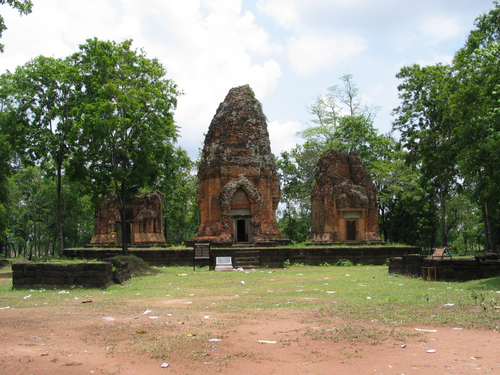
สถาปัตยกรรมปราสาทกู่สวนแตง
ปราสาทกู่สวนแตง เป็นกลุ่มปราสาท 3 หลัง บนฐานเดียวกัน ส่วนฐานก่อด้วยศิลาแลง มีบันไดทางขึ้นบริเวณหน้าปราสาทองค์กลางเพียงแห่งเดียว องค์ปราสาททั้งสามหลังนี้ก่อด้วยอิฐ หันหน้าไปทางด้านทิศตะวันออก องค์ปราสาทเรียงตัวกันในแนวเหนือใต้ ขนาดของปราสาทองค์กลางมีขนาดใหญ่กว่าปราสาทที่ตั้งอยู่ขนาบข้าง ลักษณะแผนผังของปราสาทอยู่ในผังเพิ่มมุม โดยมุมประธานมีขนาดใหญ่ที่สุด ด้านทิศตะวันออกของปราสาท มีส่วนฐานของอาคาร 2 หลัง มีผังในรูปสี่เหลี่ยม สันนิษฐานว่าน่าจะเป็นบรรณาลัยสภาพในปัจจุบัน ได้รับการบูรณปฏิสังขรณ์แล้ว โดยปราสาทที่อยู่ตรงกลางมีสภาพสมบูรณ์ที่สุด ฐานด้านล่างเป็นฐานบัวลูกฟักก่อด้วยศิลาแลง 1 ฐาน ถัดขึ้นไปจึงเป็นองค์ปราสาทที่ก่อด้วยอิฐทั้งหลัง มีมุขยื่นออกไปทางทิศตะวันออก ปัจจุบันส่วนของมุขที่ยื่นออกมาพังทลายลงแล้ว เหลือเพียงกรอบประตูที่ทำจากหินทราย ส่วนยอดยังคงมีเค้าโครงให้เห็นถึงชั้นบนสุดแต่ไม่เหลือรายละเอียดให้เห็นมากนักส่วนปราสาทขนาบข้างส่วนยอดได้พังทลายลงมาจนเกือบหมดแล้ว ปราสาทองค์ทิศเหนือมีฐานด้านล่างเป็นฐานเตี้ยๆ ก่อด้วยศิลาแลง 1 ฐาน ถัดขึ้นไปจึงเป็นองค์ปราสาทที่ก่อด้วยอิฐทั้งหลัง มีประตูทางเข้าออกด้านทิศตะวันออก ส่วนชั้นหลังคาพังทลายลงบางส่วน แต่ไม่เหลือรายละเอียดให้ศึกษามากนัก ขณะที่ส่วนยอดของปราสาทองค์ทิศใต้พังทลายลงมากกว่า ในการกำหนดอายุ หากสังเกตุจากแผนผังของปราสาทแต่ละองค์มีแผนผังแบบเพิ่มมุม ซึ่งนิยมในช่วงราวพุทธศตวรรษที่ 16 เป็นต้นมา แต่จากการพบทับหลัง และการประดับนาคปักบนส่วนยอด จึงกำหนดอายุปราสาทหลังนี้ว่าน่าจะอยู่ในช่วงราวพุทธศตวรรษที่ 17
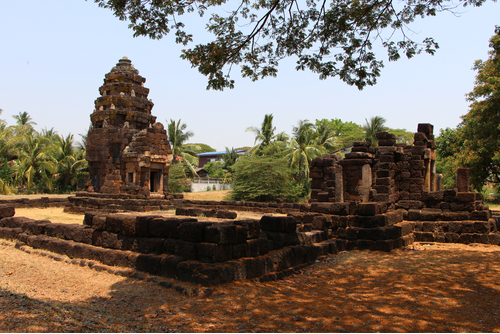
สถาปัตยกรรมปราสาทหนองบัวราย
ประกอบด้วยปราสาทประธานมีทางเข้าหันหน้าไปทางทิศตะวันออก ทางเข้านั้นทำเป็นมุขยื่นออกมาและมีการเจาะช่องหน้าต่างทั้ง 2 ด้านๆ ละ 1 ช่อง ยอดปราสาทมี 4 ชั้น มีการเจาะตกแต่งเป็นช่องสี่เหลี่ยม ด้านทิศตะวันออกเฉียงเหนือมีบรรณาลัยตั้งหันหน้าเข้าปราสาทประธาน ด้านหน้าของปราสาทประธานมีทางเดินรูปกากบาททอดยาวมาจนถึงโคปุระ ทั้งหมดนี้ล้อมรอบด้วยกำแพงแก้วในบริเวณใกล้เคียงพบชิ้นส่วนหน้าบันรูปพระวรกายพระโพธิสัตว์อวโลกิเตศวร 4 กร ประทับยืนตรง ด้านทิศตะวันออกเฉียงเหนือนอกแนวกำแพงแก้วมีสระน้ำในผังรูปสี่เหลี่ยม จากลักษณะของแผนผังและรูปแบบการก่อสร้าง เช่น ตัวปราสาทที่มีมุขยื่นและมีช่องหน้าต่างทั้ง 2 ด้าน จะพบโบราณสถานในรูปแบบเดียวกันได้อีกที่กู่สันตรัตน์ จังหวัดมหาสารคาม หรือปราสาทตาเมือนโต๊ด จังหวัดสุรินทร์ เป็นต้น
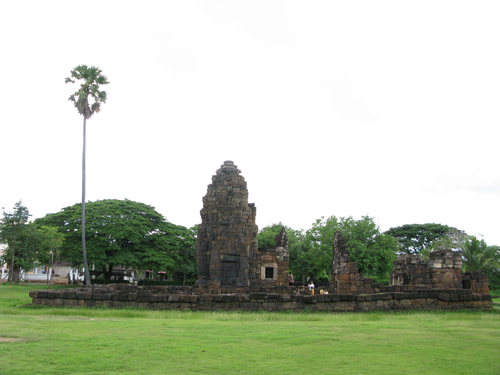
สถาปัตยกรรมปรางค์กู่
ปรางค์กู่เป็นโบราณสถานอีกแห่งหนึ่งที่มีแผนผังและลักษณะเหมือนกับโบราณสถานที่ได้พบหลักฐานว่าเป็นอโรคยาศาล ที่สร้างขึ้นในพุทธศตวรรษที่ 18 ก็คือ มีองค์ประธานอยู่ตรงกลาง 1 องค์ บรรณาลัยด้านหน้า 1 หลัง ล้อมด้วยกำแพงซึ่งมีโคปุระเฉพาะด้านหน้าทั้งหมด ก่อด้วยอิฐศิลาแลงยกเว้นกรอบประตูหน้าต่าง ทับหลัง เสาประดับล้วนเป็นหินทราย หันหน้าไปทางทิศตะวันออก ทิศตะวันออกเฉียงเหนือของปรางค์มีสระน้ำ 1 สระ ยังคงสภาพสมบูรณ์ โดยเฉพาะองค์ประธานซึ่งมีผังเป็นรูปสี่เหลี่ยมจัตุรัสขนาด 5 เมตร ย่อมุมไม้สิบสอง ด้านหน้ามีประตูทำเป็นมุขยื่นออกมา ผนังปรางค์อีก 3 ด้านเป็นประตูหลอก จำหลักภาพตรงกลางเป็นพระพุทธรูปประทับนั่งปางสมาธิ ซึ่งจับท่อนพวงมาลัยไว้ด้วยมือทั้งสองข้าง ด้านข้างทางซ้ายและขวาจำหลักรูปพระโพธิสัตว์อวโลกิเตศวร 4 กร กับรูปนางปรัชญาปารมิตา ด้านหน้ามีทับหลังเช่นกัน สันนิษฐานว่าสลักเป็นภาพเดียวกัน แต่ปัจจุบันลบเลือนมาก ที่ช่องประตูหลอกด้านทิศเหนือยังมีพระพุทธรูปศิลาปางสมาธิ ศิลปะแบบทวาราวดี ขนาดสูง 1.75 เมตร หน้าตักกว้าง 7.5 เมตร ประดิษฐานอยู่ 1 องค์ ซึ่งเป็นของที่เคลื่อนย้ายมาจากที่อื่น
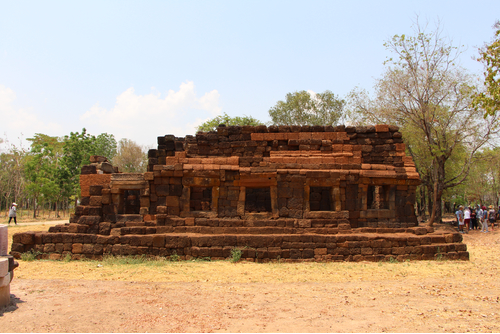
สถาปัตยกรรมปราสาทบ้านบุ
เป็นอาคารรูปสี่เหลี่ยมผืนผ้า ทอดยาวไปตามทิศตะวันออก - ตะวันตก มีทางเข้าด้านหน้าซึ่งหันไปทางทิศตะวันออก ช่วงหลังเป็นตัวปราสาทซึ่งแบ่งเป็นห้องรูปสี่เหลี่ยมจัตุรัสส่วนกรอบประตูทางเข้ามีการนำศิลาทรายซึ่งมีลวดลายดอกไม้สี่กลีบแต่เดิมมาใช้ในการก่อสร้าง โดยหันแผ่นศิลาทรายด้านสลักลวดลายเข้าข้างใน คล้ายกับปรางค์หินแดงที่ปราสาทหินพิมาย ในการนำวัสดุในศิลปะเก่ากว่ากลับมาใช้ใหม่อีกครั้งหนึ่ง นอกจากนี้ยังได้พบบัวยอดปราสาทขนาดใหญ่ในรูปแบบศิลปะร่วมแบบบายน ดังเช่นยอดโคปุระของปราสาทพระขรรค์ในกัมพูชา ทางเดินเชื่อมด้านทิศใต้มีการเจาะช่องหน้าต่าง 3 ช่อง และตรงมุขอีก 1 ช่อง ด้านเหนือก่อทึบในขณะที่ส่วนบนหักพังจนเกือบหมด และมีหลังคาโค้งเหนือทางเดินที่สร้างระหว่างตัวปราสาทกับมุข
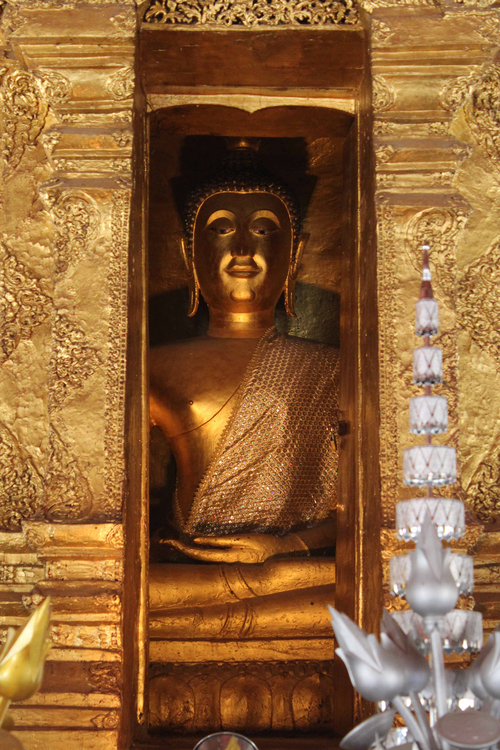
ประติมากรรมพระเจ้าล้านทอง
พระพุทธรูปองค์นี้ประทับนั่งขัดสมาธิเพชร แสดงปางมารวิชัย พระพักตร์รูปไข่ กรอบพระพักตร์เล็ก ขมวดพระเกศาเล็ก พระรัศมีเป็นเปลว พระนลาฏแคบ พระโอษฐ์เล็กมีร่องด้านข้าง พระวรกายบอบบาง สังฆาฏิแผ่นใหญ่ปลายแตกเป็นเขี้ยวตะขาบประทับนั่งบนฐานบัหงายมีกลีบขนาดใหญ่และเกสรบัว ประดิษฐานภายในกู่ปราสาท