ค้นหางานศิลปกรรม
ฐานข้อมูลศิลปกรรมในเอเชียตะวันออกเฉียงใต้
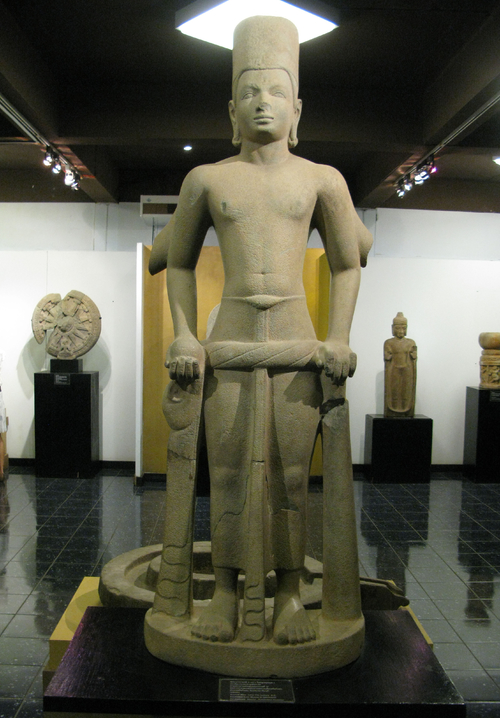

ประติมากรรมพระวิษณุ
ไม่ทราบประวัติการสร้างที่แน่ชัด แต่จากรูปแบบทางศิลปกรรมที่เทียบได้กับเทวรูปยุคแรกเริ่มประวัติศาสตร์ในดินแดนไทย และเทวรูปศิลปะเขมรสมัยก่อนเมืองพระนคร ทำให้กำหนดอายุพระวิษณุองค์นี้ได้ราวพุทธศตวรรษที่ 12-13
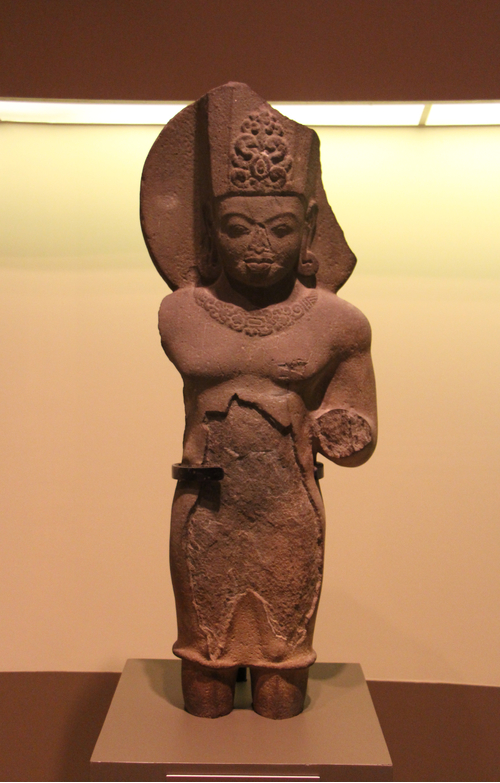
ประติมากรรมพระสุริยเทพ
พระสุริยเทพองค์นี้ชำรุดเสียหายหลายส่วน ยืนตรง สวมกิรีฏมกุฏแปดเหลี่ยม หรือหมวกทรงกระบอกแปดเหลี่ยม มีลวดลายกนกประดับด้านหน้าของมกุฏ ประภามณฑลขนาดใหญ่อยู่เบื้องหลังพระเศียร ลักษณะทั้งสองนี้ทำให้ทราบว่าเป็นพระสุริยเทพหรือพระอาทิตยเทพพระพักตร์แบน สวมกุณฑลแบบห่วงกลมซึ่งพบได้ทั่วไปในประติมากรรมศิลปะทวารวดี สวมกรองศอที่มีลายกนกแบบทวารวดี พระองค์สวมผ้าแบบ Tonic เป็นชิ้นเดียวกันคลุมตั้งแต่พระอังสาจนจรดพระชานุ เป็นเครื่องทรงเฉพาะของพระสุริยเทพเข่นกัน พระกรทั้งสองข้างและพระบาททั้งสองข้างชำรุดสูญหาย จึงไม่ทราบรายละเอียดว่าเป็นอย่างไร
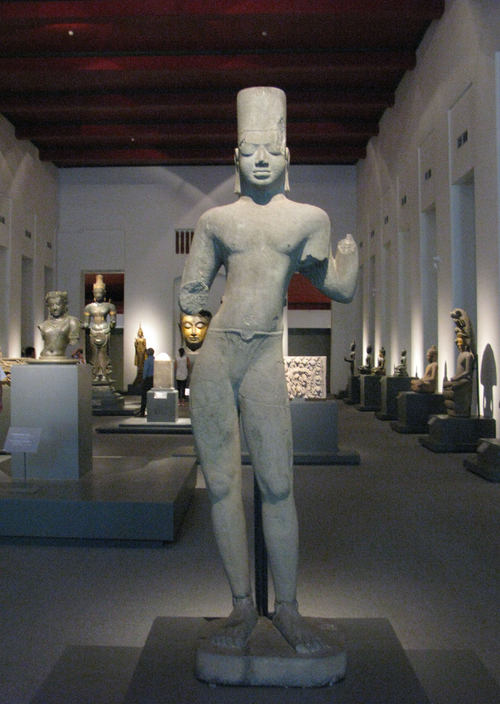
ประติมากรรมพระวิษณุ
พระวิษณุยืนเอียงพระโสณีอยู่บนฐานหน้ากระดาน สวมกิรีฏมกุฏหรือมกุฏทรงกระบอก บางท่านเรียกว่าหมวกแขก เป็นลักษณะหนึ่งที่พบได้ในรูปพระวิษณุรุ่นเก่า มีต้นแบบอยู่ในศิลปะอินเดียแบบปัลลวะพระวรกายส่วนบนเปล่าเปลือย พระกรทั้งสี่ชำรุดเสียหายจนไม่ทราบว่าถือสิ่งใดไว้ในพระหัตถ์ พระวรกายส่วนล่างนุ่งสมพตสั้นที่บางแนบเนื้อและไม่ประดับตกแต่งใดๆ จนแลดูกลมกลืนกับพระวรกาย ผ้านุ่งเช่นนี้สัมพันธ์กันกับประติมากรรมสำริดที่พบจากภาคอีสานตอนล่าง แถบจังหวัดนครราชสีมาและบุรีรัมย์พระองค์ยืนโดยให้น้ำหนักลงที่พระพระบาทขวา ในขณะที่พระบาทซ้ายหย่อน ทำให้พระโสณีเอียงไปทางขวา เรียกว่ายืนเอียงสะโพก มีต้นแบบมาจากการยืนตริภังค์ในศิลปะอินเดีย ซึ่งหมายถึงการยินเอียงสามส่วน ได้แก่ พระโสณี พระอังสา และพระเศียร พระวิษณุองค์นี้เป็นประติมากรรมลอยตัวอย่างแท้จริง ไม่มีแผ่นหินบริเวณข้อพระบาทเหมือนพระพุทธรูปทวารวดี และไม่มีชายผ้าหรือตะบองช่วยรับน้ำหนักเช่นพระวิษณุอื่นๆ การทำประติมากรรมลอยตัวเช่นนี้นับว่าเป็นความพิเศษของประติมากรรมจากเมืองศรีเทพ
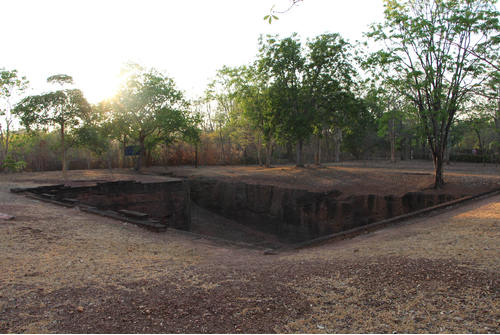
สถาปัตยกรรมสระแก้ว
สระแก้วเป็นสระน้ำรูปสี่เหลี่ยมที่มีแนวต่อยื่นทางด้านตะวันตกเพื่อทำบันไดลาดเอียงเป็นทางลง เป็นสระที่ขุดลงไปในพื้นหินศิลาแลง ผนังส่วนใดที่ไม่เป็นระเบียบจะก่อก้อนศิลาแลงวางให้เป็นระเบียบ ผนังทั้งสี่ด้านมีภาพสัตว์มงคลต่างๆ ประดับอยู่ เช่น มกร ช้าง นาค สิงห์ ตรงกลางของผนังด้านเหนือมีรูปคชลักษมีและแนวคั่นบันไดลงสู่สระ สันนิษฐานว่น่าจะเป็นจุดสำคัญในการประกอบพิธีกรรม
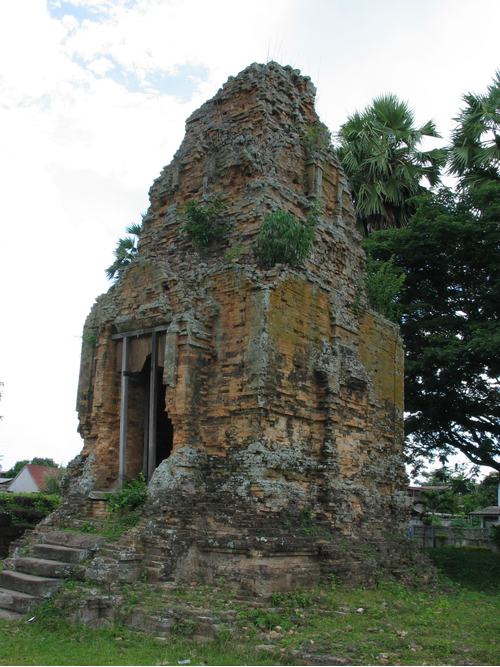
สถาปัตยกรรมปราสาทภูมิโปน
ปราสาทภูมิโปนประกอบด้วยอาคารขนาดต่างๆ เรียงตัวกันตามแนวเหนือ-ใต้ 4 หลัง อาคารหลังอื่นๆ ยกเว้นปราสาทประธานเหลือแต่เพียงส่วนฐาน ในขณะที่ปราสาทประธานมีสภาพสมบูรณ์จนถึงยอดปราสาทปราสาทประธานก่อด้วยอิฐเป็นวัสดุหลัก หันหน้าไปทางทิศตะวันออก แผนผังสี่เหลี่ยมจัตุรัส ผนังด้านตะวันออกเป็นประตูสู่ครรภคฤหะ ผนังด้านอื่นๆ อีกสามด้านเป็นประตูหลอก มุมทั้งสี่ตกแต่งเป็นเสาอิงหรือเสาหลอก เหนือขึ้นไปเป็นหลังคาชั้นซ้อนลดหลั่นกัน 2-3 ชั้น ภายในครรภคฤหะมีสภาพเป็นหลุมขนาดใหญ่ ไม่พบแท่นฐานและรูปเคารพดั้งเดิม มุมทั้งสี่มีรอยหลุมเสา ผนังด้านเหนือมีท่อโสมสูตรหินทรายฝังอยู่ภายใน
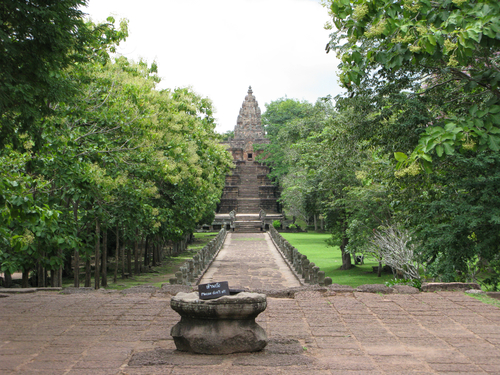
สถาปัตยกรรมปราสาทพนมรุ้ง
ปราสาทพนมรุ้งเป็นศาสนสถานขนาดใหญ่ ตั้งอยู่บนยอดเขาพนมรุ้ง หันหน้าไปทางทิศตะวันออก สิ่งก่อสร้างสำคัญลำดับจากด้านหน้าสุดหรือด้านตะวันออกไปยังปราสาทประธานมีดังนี้1. โคปุระแผนผังกากบาท เดิมทีคงเป็นเครื่องไม้จึงสูญสลายไปหมดแล้ว เหลือแต่เพียงฐานศิลาแลง 2. พลับพลาหรือศาลาเปลื้องเครื่อง ตั้งอยู่ทางทิศเหนือของโคปุระ 3. ถัดจากโคปุระเป็นทางดำเนิน สองข้างเรียงรายด้วยเสานางเรียง ปลายสุดของทางดำเนินเป็นชาลานาคราชแผนผังกากบาท 4. ถัดจากชาลานาคราชเป็นชุดขั้นบันได 5 ชุด มุ่งสู่ยอดพนมรุ้งอันเป็นที่ตั้งของปราสาทประธานและสิ่งก่อสร้างสำคัญอื่นๆ 5. พื้นที่ด้านตะวันออกนอกแนวระเบียงคดมีฐานของอาคารหลังคาคลุม เข้าใจว่าเป็นอาคารโถง ใช้ไม้เป็นวัสดุหลักจึงสูญสลายไปตามกาลเวลา พบเศษกระเบื้องตกอยู่จำนวนมากจึงสันนิษฐานว่าอาคารนี้มุงด้วยกระเบื้อง รูปแบบของอาคารเป็นลักษณะระเบียงทางเดินที่ตัดไขว้กัน ทำให้เกิดหลุม 4 หลุม ทางเดินนี้เชื่อมต่อเข้ากับระเบียงโถงที่เคยล้อมรอบระเบียงหินทราย ปัจจุบันระเบียงโถงเหลือแต่ฐานเช่นกัน 6. ระเบียงคดหินทรายและศิลาแลงล้อมรอบปราสาทประธานและสิ่งก่อสร้างอื่นๆ มีโคปุระหรือซุ้มประตูที่กลางด้านทั้งสี่ 7. ปราสาทประธานหินทรายตั้งอยู่กลางพื้นที่ที่ล้อมรอบด้วยระเบียงคด หันหน้าไปทางทิศตะวันออก รอบๆปราสาทประธานมีสิ่งก่อสร้างต่างๆ คือ ทางด้านเหนือมีปราสาทอิฐ 2 หลัง ทางด้านตะวันตกเฉียงใต้มีปรางค์น้อย ทางด้านตะวันออกเฉียงเหนือและตะวันออกเฉียงใต้มีอาคารสี่เหลี่ยมผืนผ้าหรือบรรณาลัย
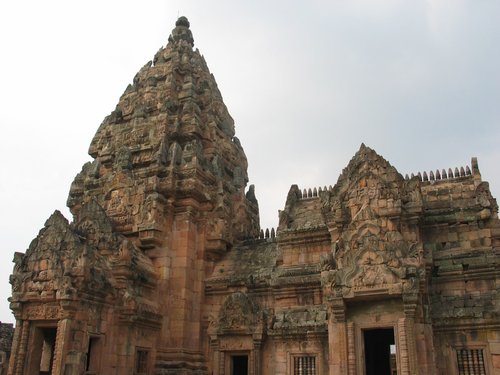
สถาปัตยกรรมปราสาทประธานปราสาทพนมรุ้ง
ปราสาทประธานหรือปรางค์ประธานสร้างจากหินทราย หันหน้าไปทางทิศตะวันออก องค์ประกอบสำคัญได้แก่ เรือนธาตุอยู่ในผังเพิ่มมุม ด้านเหนือ ใต้ และตะวันตกของเรือนธาตุเป็นมุขทางเข้าสู่ครรภคฤหะที่อยู่ภายใน ส่วนด้านตะวันออกเป็นอันตราละเชื่อมต่อกับมณฑปสี่เหลี่ยมผืนผ้า มีประตูทางเข้าสู่มณฑปทางด้านตะวันออก เหนือ และใต้ สันหลังคามุข อันตราละ และมณฑปประดับด้วยบราลีหลังคาของเรือนธาตุเป็นชั้นซ้อนลดหลั่นกัน 5 ชั้น แต่ละชั้นจำลองย่อส่วนจากเรือนธาตุ ประดับด้วยบรรพแถลงและนาคปัก (กลีบขนุน) ยอดสุดเป็นกลศ นภศูลที่เคยมีอยู่พักหายไปแล้ว ห้องครรภคฤหะที่อยู่ในเรือนธาตุประดิษฐานศิวลึงค์ มีรางน้ำมนต์หรือท่อโสมสูตรไหลออกทางมุขด้านเหนือ ภายในมณฑปประดิษฐานโคนนทิ นอกจากนี้ยังมีแท่นสี่เหลี่ยมสลักภาพเทพประจำทิศประดิษฐานอยู่ภายในมณฑป มุข และฐานโดยรอบเรือนธาตุด้วย
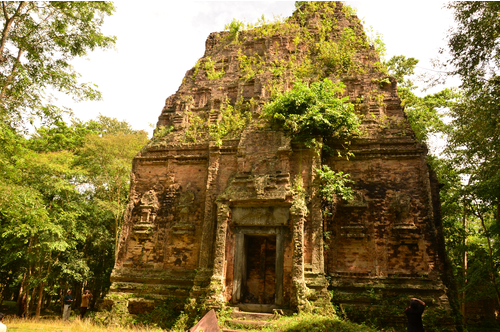

สถาปัตยกรรมปราสาทสมโบร์ไพรกุก หมู่ใต้ หลังที่ 1
ปราสาทสมัยก่อนเมืองพระนคร มักสร้างด้วยอิฐและแตกต่างด้วยการสลักอิฐเสมอ โดยไม่มีการเพิ่มมุม แต่มักประดับด้วยเสาติดผนังที่มุมและที่ด้าน ปราสาทสมโบร์ไพรกุกหลังนี้ มีการตกแต่งด้านข้างด้วยเสาติดผนังจำนวน 6 ต้น แบ่งพื้นที่เรือนธาตุออกเป็น 5 เก็จ โดยเก็จประธานประดับซุ้มประตูทรงปราสาท ส่วนเก็จข้างประดับ “วิมานลอย” ซึ่งถือเป็นลักษณะเฉพาะของสมัยก่อนเมืองพระนคร ยอด้ายบนมีลักษณะเป็นเรือนธาตุซ้อนชั้นตามอย่างวิมาน อินเดียใต้ โดยแต่ละชั้นมีการประดับปราสาทจำลองซึ่งมีบันไดเป็นระยะๆ ปราสาทจำลองเช่นนี้ถือเป็นลักษณะเฉพาะในสมัยก่อนเมืองพระนครเช่นกัน