ค้นหางานศิลปกรรม
ฐานข้อมูลศิลปกรรมในเอเชียตะวันออกเฉียงใต้
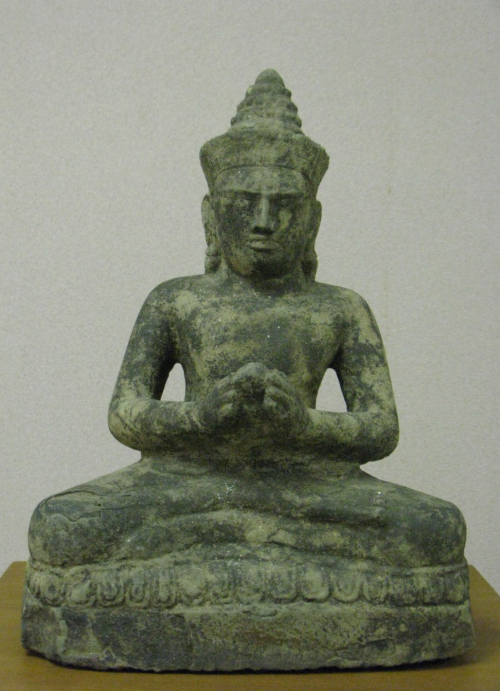

ประติมากรรมพระไภษัชยคุรุ
ประติมากรรมอยู่ในอิริยาบถนั่งขัดสมาธิราบบนฐานหน้ากระดานที่ประดับลายกลีบบัว พระพักตร์ สวมมงกุฎอันประกอบด้วยกระบังหน้าและรัดเกล้ากรวยซ้อนชั้น สวมกุณฑลทรงตุ้มแหลม พระกรกายช่วงบนเปล่าเปลือย พระหัตถ์ทั้งสองประคองหม้อน้ำไว้ในตำแหน่งพระอุทร
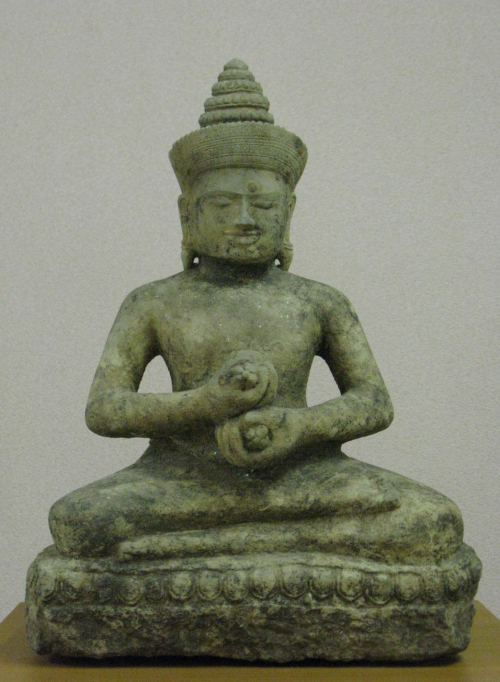
ประติมากรรมพระไภษัชยคุรุ
ประติมากรรมอยู่ในอิริยาบถนั่งขัดสมาธิราบบนฐานหน้ากระดานที่ประดับลายกลีบบัว พระพักตร์สี่เหลี่ยม สวมมงกุฎอันประกอบด้วยกระบังหน้าและรัดเกล้ากรวยซ้อนชั้น สวมกุณฑลทรงตุ้มแหลม พระกรกายช่วงบนเปล่าเปลือย พระหัตถ์แต่ละข้างถือวัชระโดยวางซ้อนกันบริเวณพระอุทร
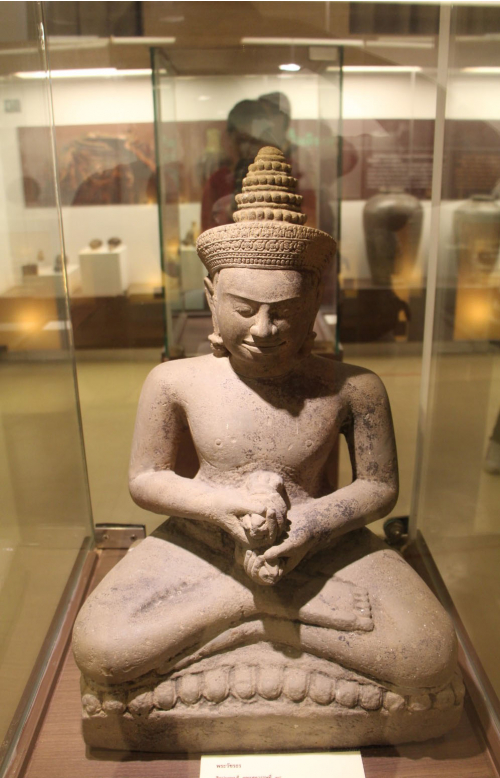
ประติมากรรมพระไภษัชยคุรุ
ประติมากรรมอยู่ในอิริยาบถนั่งขัดสมาธิราบบนฐานหน้ากระดานที่ประดับลายกลีบบัว พระพักตร์สี่เหลี่ยม พระขนงทั้งสองข้างคมเป็นสันและเชื่อมต่อกัน พระเนตรเบิกโพรง แย้มพระโอษฐ์เล็กน้อย สวมมงกุฎอันประกอบด้วยกระบังหน้าและรัดเกล้ากรวยซ้อนชั้น สวมกุณฑลทรงตุ้มแหลม พระกรกายช่วงบนเปล่าเปลือย พระหัตถ์แต่ละข้างถือวัชระโดยวางซ้อนกันบริเวณพระอุทร
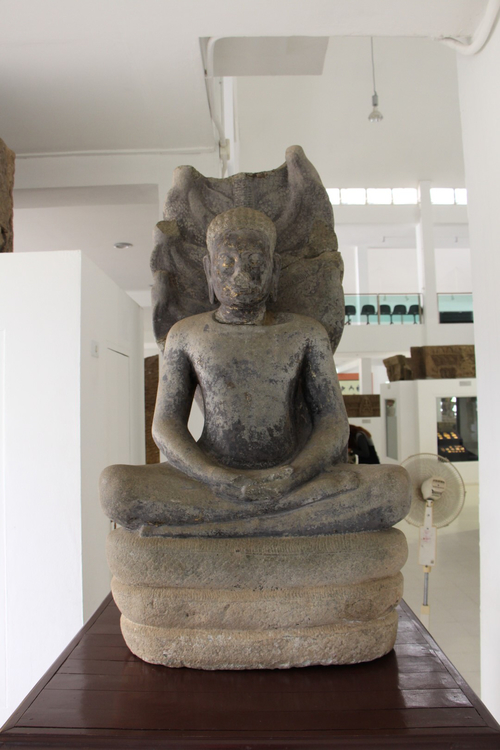
ประติมากรรมพระพุทธรูปนาคปรก
พระพุทธรูปอยู่ในอิริยาบถนั่งทำปางสมาธิ ขัดสมาธิราบ พระชงฆ์คมเป็นสันดังมนุษย์จริง ครองจีวรห่มเฉียง บางแนบพระวรกาย ไม่มีริ้ว พระพักตร์สงบ พระเนตรปิด แย้มพระโอษฐ์เล็กน้อย ขมวดพระเกศาเวียนเป็นวงก้นหอย พระอุษณีษะนูนเพียงเล็กน้อย ขนดนาคที่รองรับพระพุทธเจ้ามี 3 ขนด มีพังพานนาคหลายเศียรปกอยู่ทางด้านหลัง
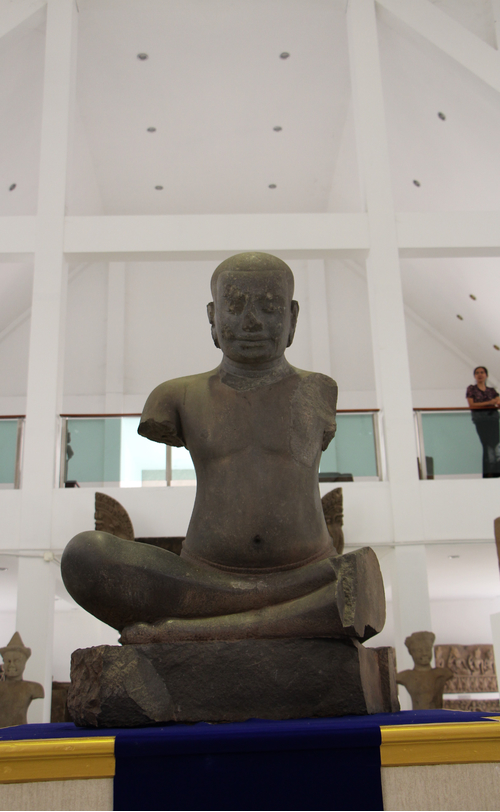
ประติมากรรมพระเจ้าชัยวรมันที่ 7
ประติมากรรมฉลองพระองค์พระเจ้าชัยวรมันที่ 7 มีสภาพชำรุดบางส่วน พระกรทั้งสองข้างและพระชานุซ้ายหักหายไป พระพักตร์เหลี่ยม พระเนตรปิด แย้มพระโอษฐ์เล็กน้อย พระเกศายาวเกล้าเป็นมวย พระวรกายท้วม ช่วงบนไม่ทรงอาภรณ์ใดๆ ช่วงล่างทรงสมพตสั้น นั่งอยู่ในอิริยาบถขัดสมาธิ พระหัตถ์ที่หักหายไม่ทราบว่าทำท่าทางใด แต่บางท่านสันนิษฐานว่าประนมกรไว้ เพราะหากทำท่าสมาธิหรือวางบนพระเพลาจำต้องเห็นร่องรอยของฝ่าพระหัตถ์ที่ติดอยู่กับพระเพลา
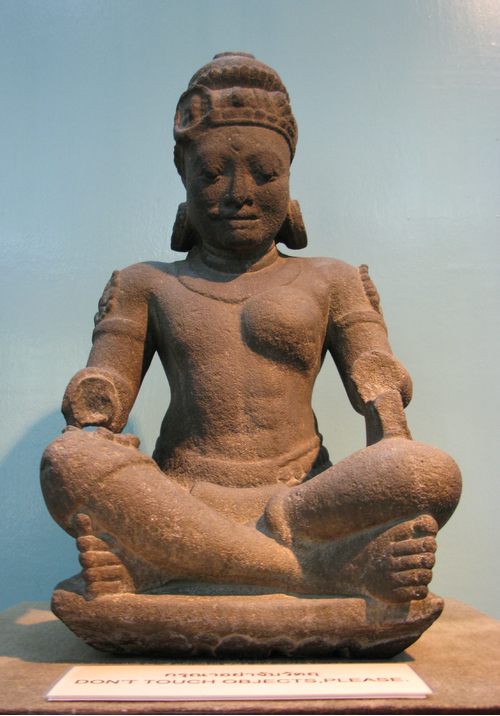
ประติมากรรมพระอรรธนารีศวร
พระอรรถนารีศวรอยู่ในอิริยาบถนั่งขัดสมาธิแบบไขว้พระชงฆ์ หรือแบบโยคาสนะ มีแท่นฐานสี่เหลี่ยมที่ตกแต่งด้วยกลีบบัวรองรับ พระกรทั้งสองข้างหักหายจึงไม่ทราบว่าทำท่าทางใด ด้านขวาของประติมากรรมเป็นพระศิวะสังเกตได้จากพระอุระที่เรียบ ด้านซ้ายของประติมากรรมเป็นพระอุมาโดยสังเกตได้จากพระถันที่นูนเด่นชัด นอกจากนี้ความแตกต่างระหว่างด้านทั้งสองยังเห็นได้จากผ้านุ่ง โดยด้านของพระศิวะเป็นผ้านุ่งสั้นระดับพระชานุ ในขณะที่ผ้านุ่งของพระอุมายาวถึงกึ่งกลางพระชงฆ์
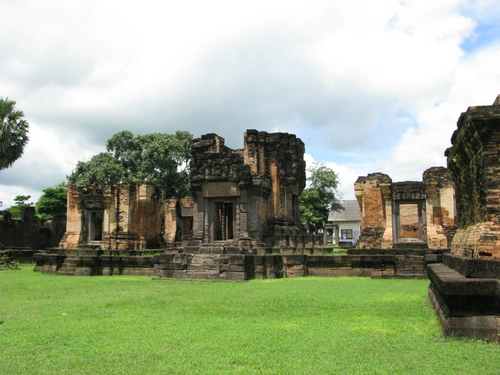
สถาปัตยกรรมปราสาทสระกำแพงใหญ่
ปราสาทมีระเบียงคดล้อมรอบเป็นรูปสี่เหลี่ยม ภายในระเบียงคดปรากฏอาคารจำนวน 6 หลัง คือ กลุ่มปราสาทประธาน 3 หลังตั้งอยู่บนฐานเดียวกัน ด้านหน้ามีบรรณาลัยในผังสี่เหลี่ยมผืนผ้าขนาด 2 ข้าง และด้านหลังยังปรากฏปราสาทอีก 1 หลัง ซึ่งตั้งเยื้องอยู่ทางด้านทิศใต้และทำให้ปราสาทมีแผนผังที่ไม่สมมาตรวัสดุที่ใช้ก่อสร้างปราสาทประธาน ประกอบด้วยหินทรายและอิฐในหลังเดียวกัน โดยส่วนที่เป็นผนังมักก่อนอิฐ ส่วนที่ใช้ในการสลักภาพ เช่น หน้าบัน ทับหลังและเสาประดับกรอบประตูนั้น กลับสลักด้วยหินทราย อนึ่ง การผสมผสานกันระหว่างวัสดุ 2 ประเภทในปราสาทหลังเดียวกันนี้ ถือเป็นลักษณะเฉพาะของศิลปะขอมในดินแดนไทยเท่านั้นปราสาทประธานของปราสาทสระกำแพงใหญ่ แม้ว่าลวดลายได้มีอิทธิพลของศิลปะนครวัดเข้ามาปะปนแล้ว แต่สำหรับแผนผังและองค์ประกอบทางสถาปัตยกรรมนั้นยังคงแสดงความเกี่ยวข้องกับปราสาทรุ่นเก่าอยู่ เช่น การไม่มีมณฑปยาว มีแต่เพียงมุขสั้นๆ เป็นต้น ปราสาทด้านหลังปราสาทประธานนั้นเป็นปราสาทที่ตั้งอยู่นอกแผนผังที่สมมาตร กล่าวคือ เป็นปราสาทเพียงหลังเดียวที่ตั้งอยู่ด้านหลังปราสาท 3 องค์ด้นหน้า และตั้งเยื้องไปทางทิศใต้ ยังไม่ทราบแน่ชัดว่าปราสาทหลังนี้สร้างขึ้นเนื่องด้วยคติใดและอุทิศให้กับเทพหรือเทพีองค์ใด อย่างไรก็ตาม ย่อมแสดงให้เห็นความเป็นพื้นเมืองของปราสาทขอมในดินแดนไทยที่อาจสร้างปราสาทแบบไม่สมมาตรได้
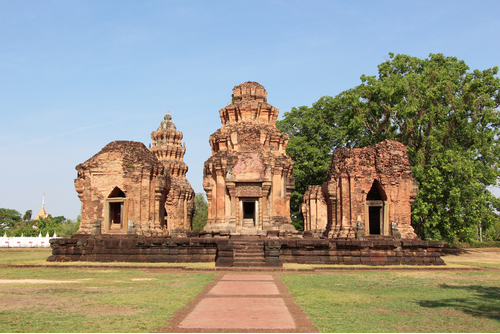
สถาปัตยกรรมปราสาทศีขรภูมิ
ประกอบด้วยปราสาทอิฐจำนวน 5 หลังตั้งอยู่บนฐานเดียวกัน ปราสาทประธานมีขนาดใหญ่ที่สุดในขณะที่อีก 4 หลังตั้งอยู่ที่มุม ทั้ง 4 ปราสาทล้อมรอบด้วยคูน้ำยกเว้นทางด้านทิศตะวันออกซึ่งเป็นทางเข้าปราสาทแห่งนี้สร้างขึ้นในพุทธศตวรษที่ 17 ซึ่งตรงกับศิลปะร่วมแบบนครวัด โดยสามารถกำหนดอายุได้จากลวดลายบนกรอบประตูและทับหลังของปราสาทประธาน อย่างไรก็ดี ปราสาทแห่งนี้ยังคงสร้างด้วยอิฐ อันแตกต่างไปจากปราสาทสมัยนครวัดในประเทศกัมพูชาที่นิยมสร้างด้วยหินทรายเสมอแผนผังของปราสาทศรีขรภูมิ มีความพิเศษที่แตกต่างไปจากปราสาทหลังอื่นๆในประเทศไทย เนื่องจากเป็นปราสาท 5 หลังที่ตั้งอยู่บนฐานไพทีเดียวกัน โดยปราสาทประธานตั้งอยู่ตรงกลางและล้อมรอบไปด้วปราสาทบริวารอีก 4 มุม ลักษระเช่นนี้แตตก่งไปจากปราสาทที่พบในประทศไทยโดยทั่วไปที่มักเป็นปราสาท 3 หลังเรียงกันอยู่บนฐานไพทีปราสาทประธานของปราสาทศีขรภูมิ รวมถึงปราสาทหลังอื่นๆ มีลักษณะเป็นปราสาทเดี่ยวที่ไม่มีการต่อเชื่อมมณฑป ส่วนที่เป็นผนังเรียบๆ มักใช้อิฐเป็นวัสดุหลัก ส่วนที่ต้องสลัก เช่น ทับหลัง เสาประดับกรอบประตูและเสากรอบประตู มักใช้หินทรายในการสลัก การปะปนกันของวัสดุสองประเภทนี้ ปรากฏมาก่อนแล้วตั้งแต่ปราสาทสระกำแพงใหญ่ซึ่งตั้งอยู่ในบริเวณใกล้เคียงกัน และถือเป็นลักษณะพื้นเมืองของปราสาทขอมในดินแดนไทยเอง เนื่องจากปราสาทสมัยนครวัดในประเทศกัมพูชาย่อมสลักด้วยหินทรายเสมอ เนื่องจากปราสาทประธานปรากฏทับหลังรูปศิวนาฏราช จึงเป็นไปได้สูงที่ปราสาทหลังนี้สร้างขึ้นในลัทธิไศวนิกาย ปราสาททั้งห้าหลังนี้จึงอาจเคยประดิษฐานศิวลึงค์อันเป็นสัญลักษณ์ของพระศิวะก็ได้ ในระยะหลัง ปราสาทแห่งนี้ถูกเปลี่ยนแปลงเป็นศาสนสถานในพุทธศาสนาเถรวาทโดยชาวลาวที่อพยพเข้ามาภายหลัง หลักฐานที่สำคัญได้แก่จารึกกรอบประตูและการซ่อมแปลงยอดของปราสาทบริวารหลังตะวันตกเฉียงใต้มีลักษณะคล้ายพระธาตุศิลปะล้านช้างในพุทธศาสนา มีการก่อยอดขึ้นไปใหม่เลียนแบบยอดปราสาทในศิลปะขอมแต่มีรูปแบบแตกต่างไปจากต้นแบบอย่างชัดเจน ส่วนกลีบขนุนก็มีการนำขึ้นไปจัดเรียงใหม่ด้วย