ค้นหางานศิลปกรรม
ฐานข้อมูลศิลปกรรมในเอเชียตะวันออกเฉียงใต้
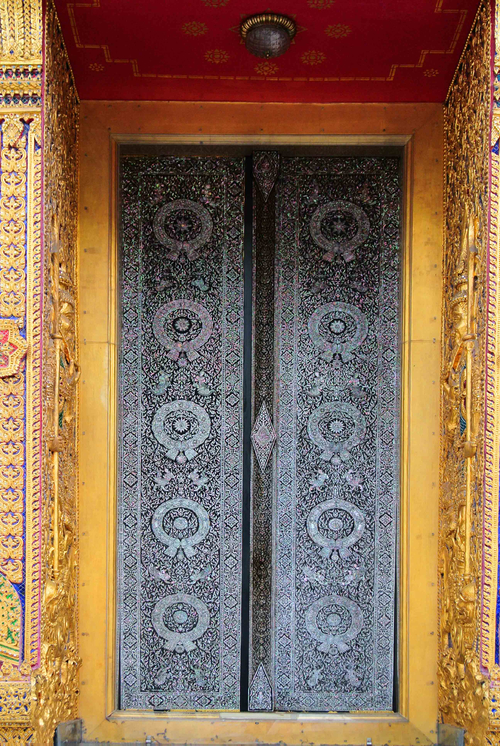

ประติมากรรมบานประตูประดับมุกลายเครื่องราชอิสริยาภรณ์
บานประตูพระอุโบสถบานซ้ายและขวามีลวดลายประดับมุกเป็นแบบเดียวกันคือ เครื่องราชอิสริยาภรณ์ทั้ง 5 ตระกูล ได้แก่1.เครื่องราชอิสริยาภรณ์อันเป็นโบราณมงคลนพรัตนราชวราภรณ์2.เครื่องขัตติยราชอิสริยาภรณ์อันมีเกียรติคุณรุ่งเรืองยิ่งมหาจักรีบรมราชวงศ์3.เครื่องราชอิสริยาภรณ์จุลจอมเกล้า4.เครื่องราชอิสริยาภรณ์อันเป็นที่เชิดชูยิ่งช้างเผือก5.เครื่องราชอิสริยาภรณ์อันมีเกียรติยศยิ่งมงกุฎไทยลายทั้งหมดประกอบด้วยมุกที่ตัดเป็นชิ้นเล็กๆ เรียงกันเป็นรูปดวงตรา ล้อมด้วยสายสะพายและสายสร้อยมีอักษร จ.ป.ร. ไขว้ และมีตราจักรีคั่นไปเป็นระยะ ซึ่งเป็นเครื่องราชอิสริยาภรณ์ชั้นสูงสุดแต่ละสำรับ นอกจากนี้ยังมีลายอื่นประดับใกล้เคียง ตามลำดับจากด้านบนดังนี้ใต้เครื่องราชอิสริยาภรณ์ดวงที่ 1 เป็นภาพเทพนม ใต้เครื่องราชอิสริยาภรณ์ดวงที่ 2 เป็นภาพเทพธิดาฟ้อน ใต้เครื่องราชอิสริยาภรณ์ดวงที่ 3 เป็นภาพกินนรรำ ใต้เครื่องราชอิสริยาภรณ์ดวงที่ 4 เป็นภาพหนุมานเหาะ ใต้เครื่องราชอิสริยาภรณ์ดวงที่ 5 เป็นภาพอินทรชิตเหาะ พื้นหลังทั้งหมดเป็นลายกระหนก ล้อมกรอบด้วยลายประจำยามก้ามปู
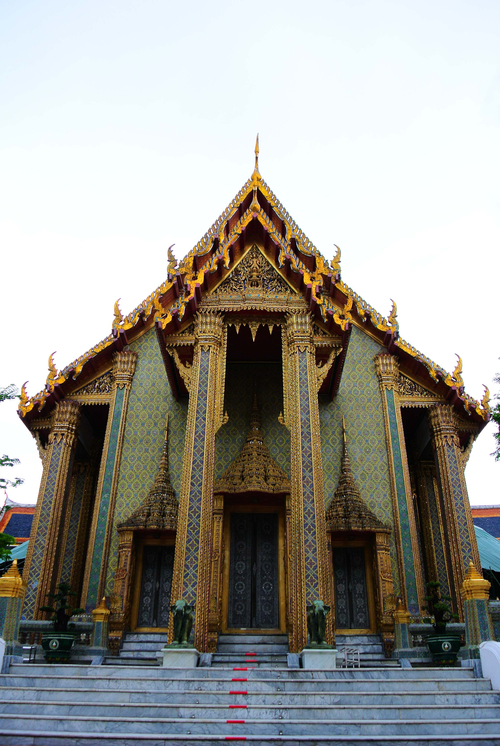
สถาปัตยกรรมวัดราชบพิธสถิตมหาสีมาราม
พระอุโบสถมีรูปแบบเป็นสถาปัตยกรรมแบบไทยประเพณี ตัวอาคารก่ออิฐถือปูน ผนังประดับกระเบื้องเคลือบสีเบญจรงค์ทรงพุ่มข้าวบิณฑ์เขียนลายเทพนม หลังคาทำด้วยเครื่องไม้มุงกระเบื้องเคลือบสี ประดับช่อฟ้า ใบระกา นาคสะดุ้ง หางหงส์ ด้านหน้ามีมุขเด็จ หน้าบันหลักเป็นรูปช้าง 7 เศียร ทูนพานแว่นฟ้ารองรับพระจุลมงกุฎขนาบสองข้างด้วยฉัตรที่มีราชสีห์และคชสีห์ประคอง หน้าบันมุขเด็จเป็นรูปนารายณ์ทรงครุฑ ซุ้มประตูหน้าต่างเป็นยอดแหลมอย่างปราสาทประดับลวดลายปูนปั้นปิดทอง ด้านในบานประตูหน้าต่างเป็นลายรดน้ำพุ่มข้าวบิณฑ์ ด้านนอกเป็นลายดวงตราเครื่องราชอิสริยาภรณ์ชั้นที่หนึ่งรวม 5 ดวง คือ นพรัตน์ราชวราภรณ์ มหาจักรีบรมราชวงศ์ ปฐมจุลจอมเกล้า ประถมาภรณ์ช้างเผือก และประถมาภรณ์มงกุฎไทย ภายในพระอุโบสถเป็นศิลปะตะวันตกแบบโกธิค ประดิษฐานพระพุทธรูปประธานประธาน คือ พระพุทธอังคีรสพระเจดีย์ มีรูปแบบเป็นเจดีย์ทรงระฆังในผังกลม มีส่วนรองรับองค์ระฆังเป็นชุดมาลัยเถา ประดับด้วยกระเบื้องเคลือบสีเบญจรงค์เช่นเดียวกับผนังพระอุโบสถ โดยมีระเบียงคดในผังกลมล้อมรอบพระเจดีย์ หลังคาพระระเบียงมุงกระเบื้องเคลือบสี เสาระเบียงเป็นเสากลมทำด้วยหินอ่อนประดับบัวหัวเสา พระวิหารเป็นอาคารแบบไทยประเพณี รูปแบบใกล้เคียงกับพระอุโบสถแต่มีขนาดเล็กกว่า และต่างกันที่บานประตูและบานหน้าต่างของพระวิหารไม่ใช่งานประดับมุก แต่เป็นงานไม้แกะสลักเป็นลวดลายเครื่องราชอิสริยาภรณ์ ลงรักปิดทองและระบายสี

จิตรกรรมภาพเขียนสีก่อนประวัติศาสตร์เขาจันทน์งาม
ภาพเขียนสีทั้งหมดเขียนด้วยสีแดง อยู่สูงจากพื้นดินประมาณ 2-4 เมตร การศึกษาที่ผ่านมาของกรมศิลปากรและมหาวิทยาลัยศิลปากรได้จัดแบ่งภาพเขียนสีที่พบเป็น 12 กลุ่มตามตำแหน่งที่พบ โดยรวมแล้วมีภาพทั้งหมด 44 ภาพ เป็นภาพคน 32 ภาพ ภาพสัตว์ 5 ภาพ (สุนัข นกหรือไก่ ตะกวด? เม่น? เสือ?) คันธนูและลูกศร 1 ภาพ และไม่ทราบว่าเป็นภาพชนิดใด 5 ภาพ เทคนิคการเขียนภาพมี 2 แบบ คือ ภาพเงาทึบและลายเส้นโครงร่างภายนอก ภาพคนส่วนใหญ่มีส่วนน่องโต มีผ้านุ่ง ไม่สวมเสื้อ ผู้หญิงจะมีหางนกห้อยมาจากกระเบนเหน็บและพู่ประทับบนหัวกลุ่มที่ 1 เป็นภาพชุดที่เด่นและสำคัญที่สุด อยู่บนผนังหินด้านทิศตะวันออก เนื้อที่ขนาด 1x2 เมตร เป็นภาพเขียนแบบเงาทึบ ภาพมี 2 แถว (บนและล่าง) ลักษณะเป็นรูปกลุ่มคน 14 คน มีทั้งเพศชายและหญิง วัยเด็กและผู้ใหญ่ รวมทั้งภาพสุนัข 1 ตัว โดยมีรายละเอียดคือแถวบน เป็นภาพคน 3 คน คนแรกมีเพียงครึ่งซีก ไม่มีหัว คนที่ 2 ยืนกางแขน มีผ้ากางออกมาจากส่วนเอวทั้ง 2 ข้าง ชายผ้ามีแฉกเป็นริ้วๆ เป็นภาพที่เขียนด้านตรง แต่หันหน้าเอียงไปทางขวา คนที่ 3 เขียนให้เห็นด้านข้าง หันหน้าไปทางตรงกันข้ามกับคนที่ 2 ภาพนี้ไม่เต็มรูป ขาดส่วนคอ ลำตัวบางส่วน และต้นขาแถวล่าง เป็นขบวนภาพคนเดินเรียงเป็นแถว ภาพแรกของแถวล่างอยู่ต่ำจากแถวบนประมาณ 30 เซนติเมตร เป็นภาพคนยืนถือธนูในท่าทางกำลังยิงธนู โดยลูกธนูถูกยิงออกจากคันธนูแล้ว ภาพนี้เป็นภาพเขียนให้เห็นด้านข้าง มีเส้นผมอยู่บนหัว นุ่งผ้าห้อยหน้าหลัง ชายผ้าด้านนอกมีแฉกเป็นริ้วๆ ขาด้านหลังสลับเลื่อนไป ต่อจากภาพนี้เป็นภาพสุนัข หูตั้ง หางดาบ มีอวัยวะเพศบ่งบอกว่าเป็นตัวผู้ ลักษณะตัวผอมยาว ต่ำจากภาพสุนัขลงมาเล็กน้อยเป็นภาพคนนั่งชันเข่า คนที่ 2 เป็นภาพผู้หญิงมีท้องใหญ่ เปลือยอก มีหางคล้ายหางนก ภาพ 2 คนนี้อยู่ในลักษณะที่กำลังเล่นหรือคุยกัน คนหนึ่งเป็นผู้ชาย คนหนึ่งเป็นผู้หญิง ภาพถัดไปเป็นภาพคนยืนเท้าเอว นุ่งผ้า 2 ชิ้นหน้าหลัง แขนขวายกตั้งศอก เป็นภาพเขียนด้านข้าง ห่างจากภาพนี้ไปประมาณ 20 เซนติเมตร เป็นภาพคนยืนหลังค่อม บนหัวมีเส้นผม นุ่งผ้า 2 ชิ้นหน้าหลัง ชายผ้าด้านหน้ามีแฉกเป็นริ้วๆ มือขวายื่นออกไปถือสิ่งของคล้ายไม้เท้า ข้างหน้าภาพนี้เป็นภาพคนยืนยกแขนทั้ง 2 ข้าง คล้ายอยู่ในท่ารำ ต้นขาด้านหลังขาดหายไป ภาพถัดไปเป็นภาพผู้หญิง เห็นด้านข้างในท่าร่ายรำ ข้างหน้าภาพผู้หญิงเป็นภาพคนยืนยื่นแขนออกไปข้างหน้า มีผ้าปิดหน้า หลังชายผ้ามีรูปกากบาท ภาพถัดไปเป็นภาพเด็ก 2 คน อยู่ในท่ารำ คนหนึ่งยกแขกนทั้ง 2 ข้างขึ้น อีกคนหนึ่งมือซ้ายเท้าเอว มีขวายกขึ้น นุ่งผ้า 2 ชิ้นปิดหน้าหลัง ภาพถัดไปเป็นภาพสีแดงจางๆกลุ่มที่ 2 อยู่บนผนังหินด้านทิศตะวันออกใกล้กับภาพกลุ่มที่ 1 แต่อยู่คนละผนังหิน มีภาพคนชดเจน 1 ภาพ เป็นภาพคนผมยาวกำลังวิ่งหรือรำ มองเหลียวหลัง จากเข่าลงไปถึงปลายเท้าขาดหายไป ผนังด้านนี้มีรองรอยของภาพเขียนสีอยู่แต่ลบเลือนไปหมด เห็นเพียงสีแดงเป็นแถบๆกลุ่มที่ 3 อยู่บนผนังหินด้านทิศตะวันออก เป็นภาพคนกำลังจับสัตว์เลื้อยคาน ลักษณะคล้ายสัตว์กิ้งก่า แย้ หรือตะกวด ห่างจากภาพคนเล็กน้อยมีลายเส้นคดไปมา 3 เส้นกลุ่มที่ 4 อยู่บนผนังหินด้านทิศตะวันออก เป็นภาพคน 3 คน ไม่มีศีรษะ แสดงท่าทางยืนมีคนนุ่งผ้าคล้ายกระโปรงสั้นเหนือเข่า 2 คนกลุ่มที่ 5 อยู่บนผนังหินด้านทิศตะวันตก ภาพคน 3 คน ยืนขนาบภาพสัตว์คล้ายเม่นหรือหมูป่า ใช้เทคนิคเขียนภาพ 2 แบบ คือ แบบโครงร่างภายนอกและแบบเงาทึบ ภาพสัตว์และคนยืนอยู่หน้าสัตว์เขียนแบบโครงร่างภายนอก ส่วนภาพเขียนแบบคล้ายคล้ายเงาทึบเป็นภาพคนอยู่ในท่าทางกำลังวิ่ง นุ่งผ้าปิดหน้าหลัง 1 ภาพกลุ่มที่ 6 ภาพคน 3 คน ภาพที่สมบูรณ์ที่สุดในกลุ่มนี้อยู่ตรงกลาง เป็นภาพคนกางแขน นุ่งผ้าปิดหน้าหลัง แต่ส่วนตั้งแต่เข่าลงไปขาดหายไป สันนิษฐานว่าเป็นท่าร่ายรำ อีก 2 คนภาพขาดหายไป โดยหายไปครึ่งตัว ตั้งแต่หัวถึงกลางตัว 1 ภาพ และจากสะโพกลงไป 1 ภาพกลุ่มที่ 7 เป็นภาพสัตว์ภาพเดียว รูปร่างค้ลายสิงโตหรือเสือ ข้างหน้าสัตว์มีสีแดงเป็นจุดๆ รวม 5 จุด เกิดจากสีบางส่วนขาดหายไปกลุ่มที่ 8 รูปคน 2 คน แสดงท่ารำ มีเพียงครึ่งตัวด้านบน ส่วนล่างขาดหายไปกลุ่มที่ 9 รูปคน 1 คน ยืนยกแขนส่วนปลายแขนกับขาขาดหายไป 1 ข้าง ด้านข้างคนมีลายเส้นวาดยาวตามแนวตั้ง อาจจะเป็นภาพคนที่ลบเลือนไป (?)กลุ่มที่ 10 รูปคน 1 คน ไม่มีศีรษะ อยู่ในลักษณะท่าทางคู้ตัวกลุ่มที่ 11 มีรูป 3 รูป อาจเป็นภาพคนทั้ง 3 รูป แต่ภาพลบเลือนขาดไป กลุ่มที่ 12 เป็นภาพคนครึ่งตัว แขนข้างขวากางออกจากลำตัว แขนซ้ายเยียดตรงขนานกับพื้น

ประติมากรรมพระพุทธรูปไสยาสน์
พระพุทธรูปสร้างโดยการนำเอาหินทรายขนาดใหญ่มาเรียงกันแล้วสลักเป็นพระพุทธรูป ประทับไสยาสน์แบบตะแคงขวาหรือสีหไสยาสน์ พระกรขวาวางราบกับพื้นรองรับพระเศียร พระวรกายเหยียวยาว พระกรซ้ายวางทับอยู่ด้านบน พระบาททั้ง 2 ข้างวางเสมอกัน พระพักตร์ทำจากหินทรายหลายก้อนมาเรียงซ้อนกัน มีรูปแบบทั่วไปตามศิลปะทวารวดี คือ พระพักตร์แลดูเหลี่ยม พระขนงเป็นสันและต่อเป็นปีกกา พระเนตรเหลือบต่ำและโปน พระนาสิกใหญ่ พระโอษฐ์แบะกว้าง
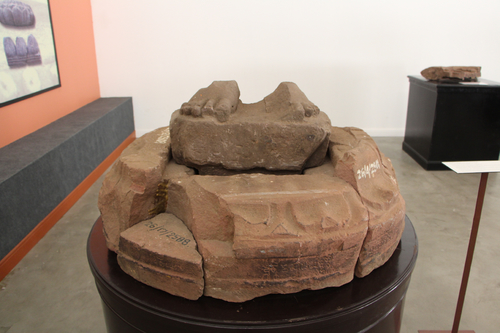
ประติมากรรมพระพุทธรูป
ชิ้นส่วนพระพุทธรูปหินทรายนี้เหลือเพียงพระบาทและฐานบัวเท่านั้น หินทรายส่วนพระบาทเป็นผังสี่เหลี่ยม สลักเชื่อมติดกับฐานหน้ากระดานและมีเดือยยาว ส่วนหินทรายส่วนฐานบัวเป็นผังกลม มีจารึกอยู่ที่ขอบล่าง กึ่งกลางฐานบัวสลักเป็นช่องสี่เหลี่ยมเพื่อรับพระบาท
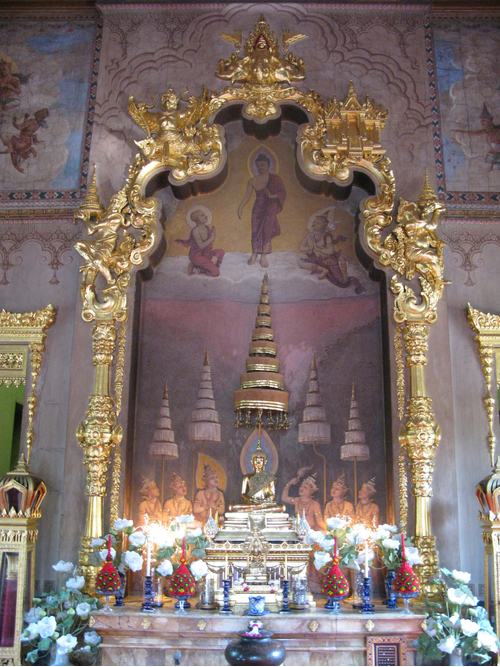
ประติมากรรมพระสัมพุทธพรรณีจำลองและภาพศากยสมาคม
พระสัมพุทธพรรณีจำลองมีรูปแบบเดียวกับพระสัมพุทธพรรณีที่ประดิษฐานในพระบรมมหาราชวัง กล่าวคือ เป็นพระพุทธรูปประทับนั่งขัดสมาธิราบบนฐานสิงห์แสดงปางสมาธิโดยปลายนิ้วพระหัตถ์ทั้ง 4 ยาวเสมอกัน พุทธลักษณะโดยทั่วไปคล้ายกับพระพุทธรูปในสมัยรัชกาลที่ 3 ที่มีพระพักตร์สงบนิ่งคล้ายหุ่น พระเนตรเรียวเล็ก พระขนงโก่ง มีอุณาโลม พระกรรณยาว พระนาสิกแหลม และพระโอษฐ์บาง ครองจีวรห่มเฉียงและเริ่มทำริ้วจีวรอย่างเป็นธรรมชาติที่ฐานของพระสัมพุทธพรรณีมีจารึกข้อความด้วยอักษรมอญ ภาษาบาลี จำนวน 4 บรรทัด ประดับด้วยลวดลายคล้ายผ้าม่านม้วนและพวงมาลาแบบตะวันตก รวมทั้งมีลวดลายสลักเป็นพรรณพฤกษาและซุ้มศัตราวุธที่หน้ากระดานล่างของฐาน ภาพศากยวงศ์หรือกษัตริย์ในราชวงศ์ศากยะ เขียนเป็นภาพบุคคลที่มีขนาดใกล้เคียงกับพระพุทธรูป แสดงลักษณะกล้ามเนื้อทางกายวิภาค แสดงสีหน้าและอารมณ์ และไม่มีการปิดทองที่เครื่องทรง แต่แสดงสถานภาพด้วยอาภรณ์ที่สวมใส่และเครื่องประดับต่างๆ
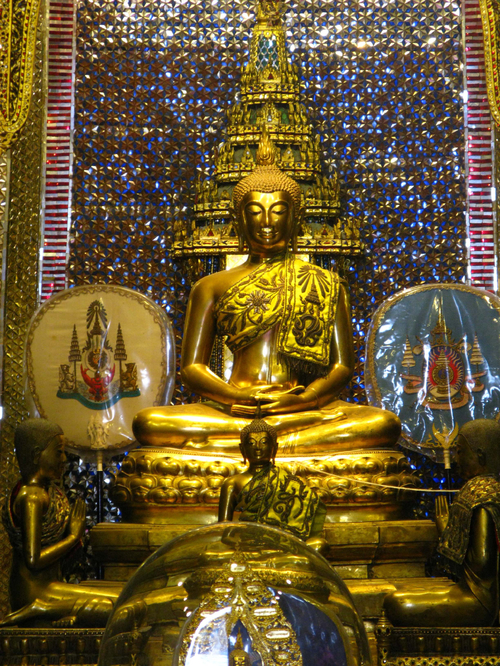
ประติมากรรมพระพุทธสิหังคปฏิมากร
พระพุทธรูปประทับนั่งขัดสมาธิราบบนฐานสิงห์ ชั้นบนเป็นรูปกลีบบัวซ้อนชั้น แสดงปางสมาธิ พระพักตร์ค่อนข้างกลม ขมวดพระเกศาเล็ก มีอุษณีษะรองรับเปลวรัศมี ครองจีวรห่มเฉียง ชายสังฆาฏิยาวเป็นแผ่นจรดพระนาภี
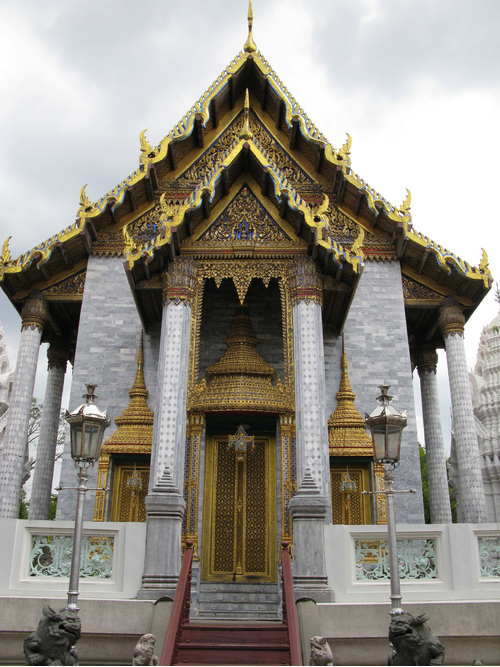
สถาปัตยกรรมวัดราชประดิษฐสถิตมหาสีมาราม
ภายในวัดราชประดิษฐสถิตมหาสีมารามมีสถาปัตยกรรมที่สำคัญหลายแห่ง แบ่งเป็นพื้นที่เขตพุทธาวาสและสังฆาวาส ในส่วนพุทธาวาสมีอาคารสำคัญ ได้แก่ พระวิหารหลวงที่มีรูปแบบอย่างไทยประเพณี ตัวอาคารประดับด้วยหินอ่อน หลังคาเครื่องไม้มุงกระเบื้องประดับเครื่องลำยอง หน้าบันเป็นรูปพระมหามงกุฎและพระขรรค์ประดิษฐานบนพานแว่นฟ้า เบื้องล่างมีรูปช้างสำคัญ ขนาบด้วยฉัตร เบื้องหลังพระวิหารหลวงเป็นที่ตั้งของ ปาสาณเจดีย์ ซึ่งเป็นเจดีย์ประธานของวัด มีรูปแบบเป็นเจดีย์ทรงระฆังแบบพระราชนิยมในรัชกาลที่ 4 สร้างจากหินอ่อน นอกจากนี้ยังมีอาคารสำคัญอื่นอีก เช่น หอพระจอม รูปแบบและแผนผังของวัดที่มีองค์ประกอบหลักอย่างเรียบง่ายคือพระวิหารและพระเจดีย์เช่นนี้ พบได้ในวัดที่สร้างขึ้นตามพระราชประสงค์ของรัชกาลที่ 4 ส่วนเขตสังฆาวาสของวัดนี้ซึ่งเป็นที่อยู่ของสงฆ์นั้นมีข้อกำหนดไว้ว่าเป็นเขตหวงห้ามสำหรับสตรี