ค้นหางานศิลปกรรม
ฐานข้อมูลศิลปกรรมในเอเชียตะวันออกเฉียงใต้
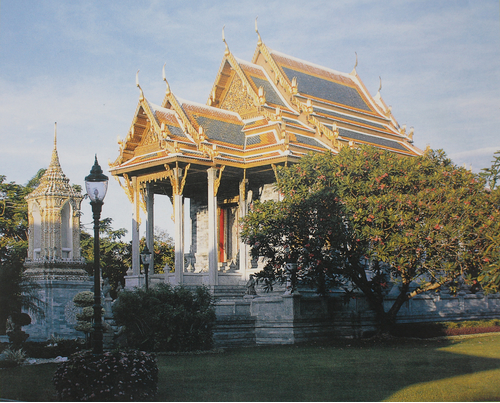

สถาปัตยกรรมพระพุทธรัตนสถาน
พระพุทธรัตนสถานเป็นอาคารแบบไทยประเพณีในผังสี่เหลี่ยมผืนผ้าชั้นเดียวยกพื้นสูงตั้งบนฐานไพที ฐานประทักษิณ และฐานบัว ผนังด้านนอกเป็นหินอ่อน ด้านหน้ามีมุขลด รอบอาคารมีเสาพาไล ซุ้มประตูและหน้าต่างเป็นซุ้มยอดมงกุฎ หลังคาเครื่องไม้มุงกระเบื้อง หน้าบันมีเครื่องลำยอง หน้าบันมุขลดเป็นรูปพระมหามงกุฎประดิษฐานบนพาน 2 ชั้น ขนาบด้วยฉัตร 5 ชั้นซึ่งเป็นพระบรมราชสัญลักษณ์ในรัชกาลที่ 4 หน้าบันหลักทั้งหน้าและหลังเป็นรูปครุฑยุดนาคซึ่งเป็นพระบรมราชสัญลักษณ์ในรัชกาลที่ 2 มีรูปพระวิมานและพระมหามงกุฎประดับอยู่เบื้องล่างซ้ายและขวา มีอาคารประกอบเป็นศาลาโถง 2 หลังซ้ายขวา ด้านหน้ามีหอระฆัง และเสาประทีป 4 ต้น
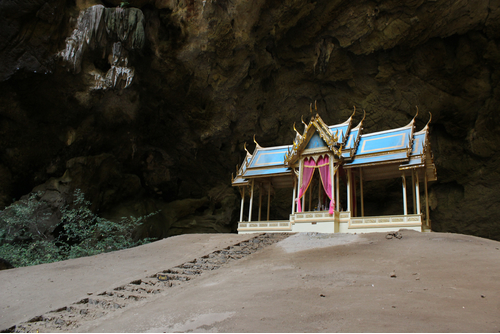
สถาปัตยกรรมพระที่นั่งคูหาคฤหาสน์
พระที่นั่งตั้งอยู่บนเนินดินใจกลางถ้ำที่มีลักษะโปร่งแสงแดดส่องถึงพระที่นั่งคูหาคฤหาสน์เป็นพระที่นั่งโถงแบบจัตุรมุข โดยมีมุขทางด้านเหนือและด้านใต้ยาวกว่ามุขด้านตะวันตกและตะวันออก หลังคาเป็นเครื่องไม้ซ้อนชั้น ประดับช่อฟ้า ใบระหา หางหงส์
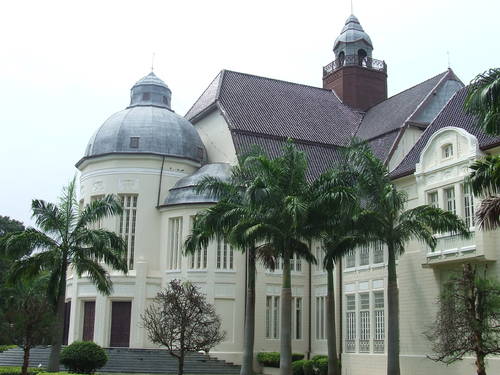
สถาปัตยกรรมพระรามราชนิเวศน์
พระรามราชนิเวศน์เป็นสถาปัตยกรรมแบบโมเดิร์นสไตล์ยุโรป ตัวอาคารมี 2 ชั้น หลังคามี 2 ยอดทรงสูง มุงด้วยกระเบื้องดินเผาเคลือบ ตัวอาคารมีผังเป็นตรีมุข แต่ละมุขมีบันไดทางขึ้นขนาดใหญ่เป็นทางขึ้นลง มุขด้านหน้าทางทิศตะวันออกถือเป็นจุดเด่นของอาคาร ประกอบด้วยวงกลมสามวงเรียงกันคล้ายรูปดอกจิก เรียกว่า ผังดอกจิกแบบโรมาเนสก์ (Rhenish Romanesque Trefoil Plan)โถงทางเข้าเป็นวงกลมขนาดใหญ่มีลักษณะโปร่งทะลุไปถึงเพดานชั้น 2 และเป็นที่ตั้งของบันไดใหญ่ของพระที่นั่ง ซึ่งเป็นการออกแบบในแนว จุงเกนสติล (Jugendstil) ที่พบเพียงแห่งเดียวในประเทศไทย ภายในประกอบด้วยห้องต่างๆ ด้านทิศเหนือมีอาคารรองก่อสร้างต่ออกไปโอบล้อมที่ว่างตรงกลาง มีบริเวณสวนหรือที่ว่างตรงกลางตกแต่งแบบสวนยุโรป (Court) ภานในพระที่นั่งตกแต่งโดยใช้ทองแดง กระจกสี กระเบื้องเคลือบสี เหล็กหล่อ ช่อไฟกิ่งซึ่งเน้นความหรูหราแบบยุโรป
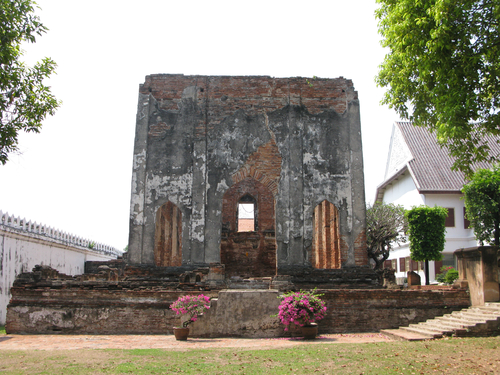
สถาปัตยกรรมพระที่นั่งดุสิตสวรรค์ธัญญมหาปราสาท
พระที่นั่งองค์นี้หันหน้าไปทางทิศตะวันออก สร้างด้วยอิฐเป็นวัสดุหลัก ฉาบปูน แบ่งพื้นที่ออกเป็น 2 ส่วน ส่วนแรกคือพื้นที่ด้านหน้ามีลักษณะเป็นห้องโถงสี่เหลี่ยมผืนผ้า ผนังเจาะช่องประตูและหน้าต่างทางด้านตะวันออก เหนือ และใต้ โดยรูปทรงของช่องเหล่านี้เป็นแบบโค้งแหลมหรือ Pointed Arch หลังคาที่คลุมพื้นที่ส่วนนี้สันนิษฐานว่าเป็นทรงจั่ว โครงทำจากเครื่องไม้มุงด้วยกระเบื้องซึ่งได้พังทลายไปหมดแล้ว ส่วนที่สองคือพื้นที่ด้านหลัง เดิมทีส่วนนี้เคยมี 2 ชั้น โดยพื้นชั้นที่สองทำจากไม้จึงสูญสลายผุพังไปหมด เหลือให้เห็นเพียงแนวเสาอิฐรับโครงสร้างและแท่นฐานใหญ่ที่ตั้งอยู่ตรงกลาง ตรงกลางของผนังด้านตะวันออกชั้นสองมีสีหบัญชร เป็นที่ประทับของสมเด็จพระนารายณ์ในยามออกว่าราชการ ส่วนด้านข้างของผนังตะวันออกเป็นช่องประตู มีบันไดทอดลงไปสู่ห้องโถงส่วนแรก หลังคาของส่วนนี้คงเป็นยอดมหาปราสาท
สถาปัตยกรรมหมู่พระที่นั่งพิมานมงกุฎ
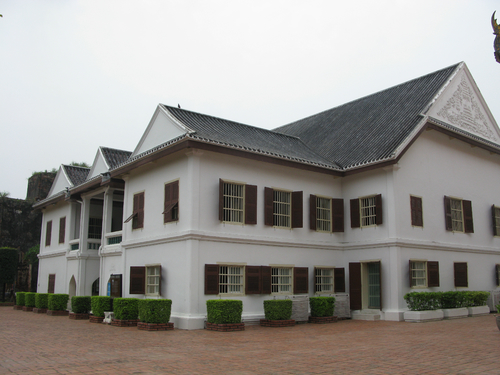
หมู่พระที่นั่งพิมานมงกุฎเป็นอาคารก่ออิฐถือปูน ความสูง 2 ชั้น และ3 ชั้น มีรูปแบบผสมผสานระหว่างไทย ตะวันตก และจีน โครงสร้างหลังคารูปจั่ว มุงกระเบื้องกาบกล้วยดินเผาแบบจีน หน้าบันประดับลวดลายปูนปั้นรูปพระมหามงกุฎประดิษฐานบนพานแว่นฟ้า มีฉัตรกระหนาบ 2 ข้าง ส่วนหน้าจั่วพระที่นั่งวิสุทธิวินิจฉัยเป็นรูปพระแท่นราชบัลลังก์ภายใต้พระนพปฎลมหาเศวตฉัตร มีฉัตรกระหนาบ 2 ข้าง หมู่พระที่นั่งประกอบด้วยห้องโถงหลายห้องมีมุขที่ด้านหน้าขนาบอัฒจันทร์ซึ่งเป็นทางขึ้นอยู่ตรงกลาง อาคารด้านในเป็นอาคารขวาง เป็นท้องพระโรงซึ่งแบ่งเป็น 2 ตอน ตอนหน้าเป็นท้องพระโรงใหญ่สำหรับเสด็จออกว่าราชการ ตอนในเป็นท้องพระโรงเล็ก จากท้องพระโรงมีทางขึ้นไปสูระบียงอัฒจันทร์ชั้น 3 ซึ่งเป็นห้องบรรทม หมู่พระที่นั่งมีการใช้ซุ้มวงโค้งปลายแหลมและโค้งมนมาใช้ในการประดับอาคารซึ่งเป็นอิทธิพลศิลปะตะวันตกที่ผสมผสานกับสถาปัตยกรรมสมัยสมเด็จพระนารายณ์มหาราช ซึ่งทำให้เกิดความกลมกลืนกับสถาปัตยกรรมเดิมที่อยู่ใกล้เคียง
สถาปัตยกรรมหมู่พระมหามณเฑียร
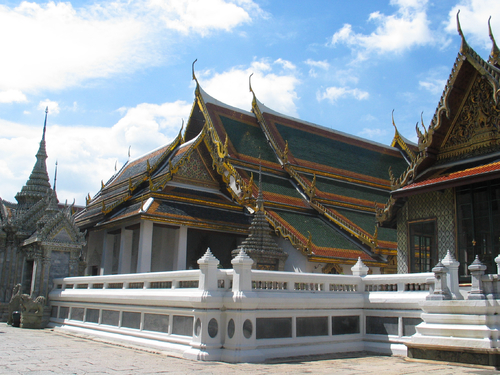
หมู่พระมหามณเฑียรเป็นอาคารทรงไทยประเพณีล้อมรอบด้วยกำแพงแก้ว ภายในหมู่อาคารประกอบด้วยพระที่นั่งที่สำคัญ 3 องค์เชื่อมต่อกัน ได้แก่ 1. พระที่นั่งจักรพรรดิพิมาน 2.พระที่นั่งไพศาลทักษิณ 3.พระที่นั่งอมรินทรวินิจฉัยมไหสูรยพิมานพระที่นั่งทุกองค์เป็นอาคารก่ออิฐถือปูน หลังคาเครื่องไม้ซ้อนชั้นมุงกระเบื้องเคลือบสีเขียวสลับส้มและเหลืองกรอบหน้าบันประดับเครื่องลำยอง ที่หน้าบันประดับรูปเทวดาถือพระขรรค์ซุ้มพระทวารและพระบัญชรเป็นซุ้มทรงบรรพแถลง ภายในพระที่นั่งแต่ละองค์เป็นห้องโถงในผังสี่เหลี่ยมผืนผ้าซึ่งมีทางเชื่อมระหว่างกัน มีเสาในประธานทรงสี่เหลี่ยมรองรับน้ำหนักภายในพระที่นั่งแต่ละองค์ตกแต่งด้วยภาพจิตรกรรมฝาผนังมีทั้งที่เป็นภาพปรัมปราคติที่เกี่ยวข้องกับเทพเจ้าซึ่งเกี่ยวข้องกับคติความเชื่อในราชสำนัก และภาพลวดลายประดับต่างๆ
สถาปัตยกรรมพระที่นั่งดุสิตมหาปราสาท
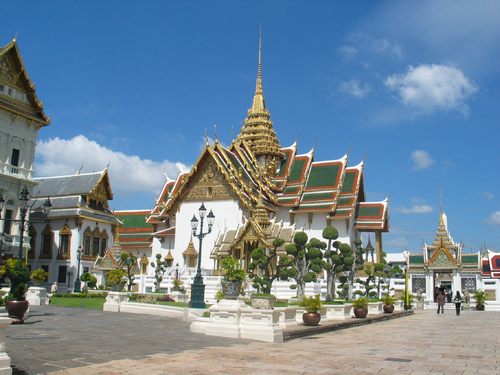
พระที่นั่งดุสิตมหาปราสาทมีแผนผังเป็นอาคารทรงจัตุรมุขโถง ตัวอาคารก่ออิฐถือปูน ด้านนอกฉาบผนังเรียบทาสีขาว หลังคาเป็นเครื่องไม้ทรงจตุรมุขซ้อนชั้น ประดับเครื่องลำยองโดยปลายกรอบหน้าบันมีองค์ประกอบที่มีลักษณะเด่น เรียกว่านาคเบือน หลังคาพระที่นั่งมุงกระเบื้องเคลือบสีเขียวขอบสีส้ม ส่วนบนของเครื่องหลังคาประดับเรือนยอดแบบพระมหาปราสาท มุขด้านเหนือมีมุขเด็จยื่นมาทางด้านหน้าซึ่งประดิษฐานบุษบก มุขด้านใต้ภายในพระที่นั่งเจาะผนังเป็นพระที่นั่งบุษบกซึ่งสร้างเพิ่มเติมในสมัยรัชกาลที่ 4 มุขทิศตะวันตกสำหรับประดิษฐานพระโกศพระบรมศพของพระมหากษัตริย์และพระบรมวงศ์ชั้นสูง มีทางเชื่อมไปยังศาลาเปลื้องเครื่องที่ตั้งอยู่ทางทิศตะวันตกมุขทิศตะวันออกมีทางเชื่อมไปยังพระที่นั่งอาภรณ์พิโมกข์ปราสาท ซุ้มพระทวารและซุ้มบัญชรเป็นเรือนยอด ภายในพระที่นั่งตกแต่งด้วยจิตรกรรมฝาผนังลายเทพนมพุ่มข้าวบิณฑ์ ประดับดาวเพดานไม้แกะสลักปิดทองประดับกระจก
สถาปัตยกรรมพระที่นั่งอาภรณ์พิโมกข์ปราสาท
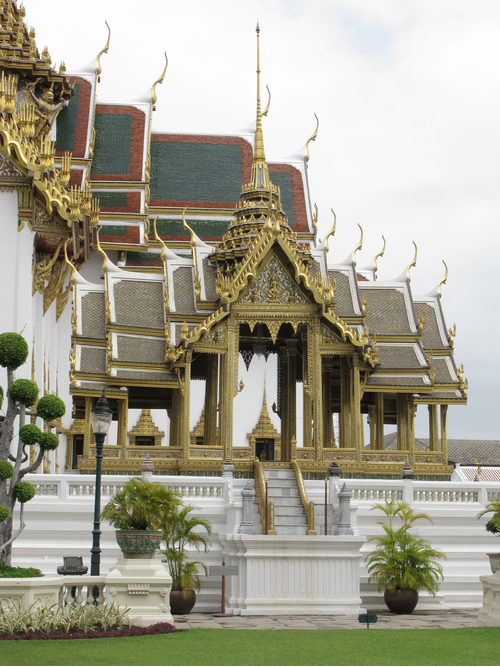
พระที่นั่งอาภรณ์พิโมกข์ปราสาทมีแผนผังเป็นทรงจัตุรมุข โดยด้านทิศเหนือและทิศใต้เป็นมุขยาว ส่วนทิศตะวันออกและทิศตะวันตกเป็นมุขสั้น หลังคาซ้อนชั้นทำด้วยเครื่องไม้ประดับเครื่องลำยอง ปิดทองประดับกระจกมุงกระเบื้องดาดดีบุก ส่วนกลางชั้นหลังคาประดับเรือนยอดแบบพระมหาปราสาท หน้าบันพระที่นั่งเป็นรูปเทวดาประทับยืนบนแท่น พระหัตถ์ซ้ายถือพระขรรค์ สองข้างมีเทพนม เสารับโครงสร้างพระที่นั่งปิดทองประดับกระจก มีบัวหัวเสาเป็นบัวแวง พระที่นั่งอาภรณ์พิโมกข์เป็นพระที่นั่งโถง ไม่มีผนัง ด้านหน้ามีบันไดทอดมายังเกยสำหรับเทียบพระราชยาน