ค้นหางานศิลปกรรม
ฐานข้อมูลศิลปกรรมในเอเชียตะวันออกเฉียงใต้
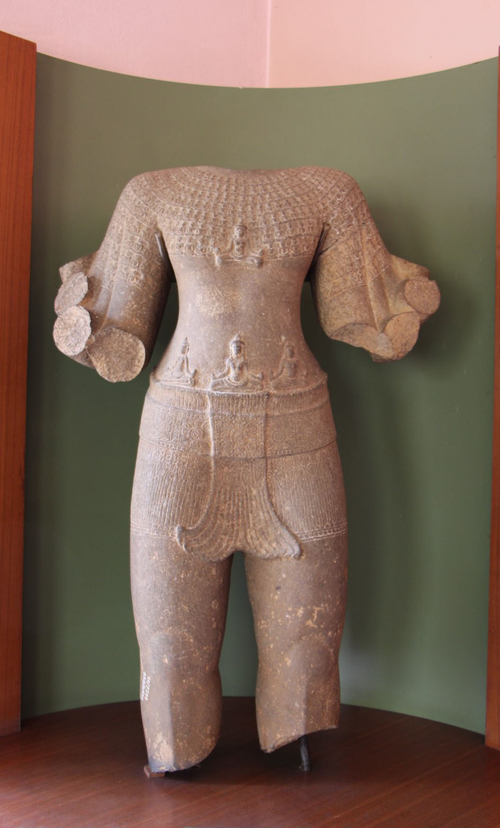

ประติมากรรมพระโพธิสัตว์อวโลกิเตศวรเปล่งรัศมี
พระโพธิสัตว์อวโลกิเตศวรเปล่งรัศมีอยู่ในอิริยาบถยืนตรง พระเศียร พระกร และระชงฆ์ตลอดจนพระบาทชำรุดหักหายไปหมดแล้ว บริเวณพระอุระตลอดจนพระอังสา (ไหล่) และพระพาหา (ต้นแขน) ประดับด้วยแถวพระพุทธรูปจำนวนมากมายราวกับเป็นเกราะ กึ่งกลางพระอุระและบั้นพระองค์ปรากฏรูปบุคคลขนาดใหญ่อาจหมายถึงนางปรัชญาปารมิตา สวมสมพตสั้นที่สลักลวดลายอย่างคร่าวๆ ช่วงล่างของพระองค์ตั้งแต่พระอูรุ (ต้นขา) ใหญ่ผิดสัดส่วนตามแบบประติมากรรมในศิลปะบายน
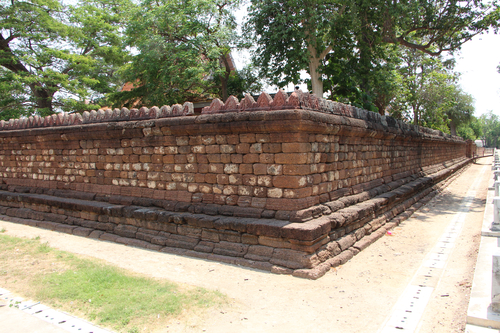
สถาปัตยกรรมกำแพงวัดมหาธาตุวรวิหาร
เนื่องจากวิหารหลวงวัดมหาธาตุในปัจจุบันถูกสร้างขึ้นในพื้นที่ทับซ้อนในบริเวณที่เคยเป็นที่ตั้งปราสาทขอมในพุทธศตวรรษที่ 18 มาก่อน จากการขุดค้นทางโบราณคดีทำให้ทราบแผนผังของปราสาทขอมที่ถูกซ้อนทับอยู่ดังนี้ลักษณะแผนผังเป็นรูปสี่เหลี่ยมจัตุรัส ปรากฏฐานปราสาทประธานหลังเดียวก่อด้วยศิลาแลงบริเวณกึ่งกลางของแผนผัง ล้อมรอบด้วยระเบียงคดซึ่งปรากฏร่องรอยโคปุระด้านทิศเหนือและทิศใต้เท่านั้น จึงสันนิษฐานว่าระเบียงคดน่าจะมีโคปุระของแต่ละด้านอยู่ทั้งสี่ทิศ และมีตำแหน่งที่ตรงกับโคปุระของกำแพงแก้วก่อด้วยศิลาแลงที่อยู่ถัดออกไป โดยเฉพาะด้านทิศตะวันออกจะปรากฏร่องรอยทางเดินเป็นแนวยาวจากโคปุระของระเบียงคดเชื่อมต่อกับโคปุระของกำแพงแก้ว บนกำแพงแก้วนั้นประดับทับหลังกำแพงทำจากหินทรายแดง สลักพระพุทธรูปปางสมาธิประทับในซุ้มเรือนแก้ว ทับหลังกำแพงแต่ละชิ้นมีขนาดต่างกัน บางชิ้นสลักพระพุทธรูปองค์เดียว บางชิ้นสลัก 2-4 องค์ มีปะปนกันตั้งแต่สมัยวัฒนธรรมขอมในพุทธศตวรรษที่ 18 สมัยอยุธยา และสมัยรัตนโกสินทร์รูปแบบของศิลปกรรมของทับหลังประดับกำแพงแก้วในสมัยบายนนี้มีลักษณะที่คล้ายคลึงกันเกือบทั้งหมด คือเป็นพระพุทธรูปขัดสมาธิราบปางสมาธิ พระเกศาเรียบไม่ตกแต่ง พระรัศมีเป็นทรงกรวย พระขนงต่อกันเป็นรูปปีกกา พระเนตรเหลือบมองต่ำ ครองจีวรแนบพระวรกายและไม่มีการสลักลายละเอียดหรือริ้วจีวร พระพุทธรูปประทับในซุ้มเรือนแก้วซึ่งเป็นซุ้มโค้งเข้าโค้งออก ประดับขอบซุ้มด้วยรวยระกา ที่ปลายขอบซุ้มด้านล่าง ตกแต่งด้วยกนกหรือตัวเหงาหันหน้าเข้าด้านใน การประดับทับหลังกำแพงสลักเป็นพระพุทธรูปในซุ้มเรือนแก้วนี้ปรากฏเพียงไม่กี่แห่งในสถาปัตยกรรมขอมในประเทศไทย เช่น โบราณสถานเนินโคกพระ อำเภอปักธงชัย จังหวัดนครราชสีมา

ประติมากรรมพระพิมพ์
พระพิมพ์ทรงรี พระพุทธรูปนั่งห้อยพระบาทอยู่ตรงกลาง พระหัตถ์แสดงปางปฐมเทศนา พระองค์นั่งอยู่ภายในอาคารทรงศิขร แวดล้อมด้วยสถูปขนาดเล็ก สองข้างของดอกบัวที่รองรับพระบาทมีลวดลายที่อาจเป็นกวางหมอบ

ประติมากรรมภาพสลักพระพุทธรูป
พระพุทธรูปอยู่ในอิริยาบถนั่งขัดสมาธิแบบหลวม ไขว้ซ้อนกันเพียงข้อพระบาท พระหัตถ์ปางสมาธิ มีฉัตรกางกั้นเหนือพระเศียร เบื้องขวาของพระองค์มีธรรมจักรวางตั้งอยู่บนเสา ส่วนเบื้องซ้ายของพระองค์เป็นเจดีย์ทรงกลม
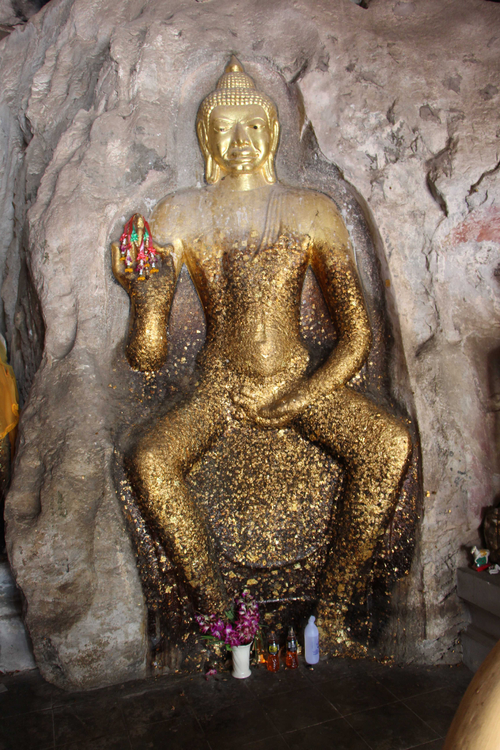
ประติมากรรมพระพุทธรูปนั่งห้อยพระบาท
พระพุทธรูปประทับนั่งห้อยพระบาทองค์นี้เป็นประติมากรรมนูนต่ำ สลักอยู่บนผนังถ้ำ ได้รับการปิดทองและทาทองโดยคนปัจจุบัน พระพักตร์แป้น พระขนงต่อเป็นปีกกา พระเนตรโปน พระนาสิกบาน พระโอษฐ์แบะ เหล่านี้เทียบได้กับพระพักตร์พระพุทธรูปศิลปะทวารวดีทั่วไป น่าสังเกตว่าเหนือพระอุษณีษะมีพระรัศมีรูปบัวตูม ครองจีวรห่มเฉียงบางแนบพระวรกาย มีชายจีวรอยู่เหนือพระอังสาซ้าย พระหัตถ์ขวาทำปางแสดงธรรม พระหัตถ์ซ้ายวางเหนือพระเพลา

ประติมากรรมเศียรพระพุทธรูป
เศียรพระพุทธรูปองค์นี้มีเค้าพระพักตร์แป้น พระนลาฏกว้าง พระขนงนูนเป็นสันและต่อเป็นปีกกา พระเนตรเหลือบต่ำและโปน พระนาสิกใหญ่ พระโอษฐ์แบะกว้าง ขมวดพระเกศาเวียนเป็นวงก้นหอย พระอุษณีษะเป็นต่อมนูน มีช่องเจาะอยู่ที่กลางพระอุษณีษะ สันนิษฐานว่าเดิมทีเคยมีพระรัศมีที่ทำจากอัญมณีหรือหินมีค่าประกอบไว้ นอกจากนี้อาจเคยเป็นช่องบรรจุพระบรมสารีริกธาตุด้วย
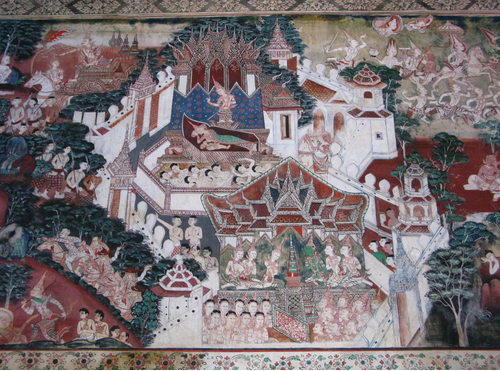
จิตรกรรมจิตรกรรมฝาผนังวัดคงคาราม
จิตรกรรมฝาผนังในพระอุโบสถ วัดคงคาราม จ.ราชบุรี มีการจัดวางองค์ประกอบภาพดังเช่นที่นิยมในจิตรกรรมสมัยรัชกาลที่ 3 ในกรุงเทพ กล่าวคือ ผนังด้านหลังพระประธานเขียนเรื่องไตรภูมิโลกสัณฐาน ด้านตรงข้ามพระประธานเขียนเรื่องมารผจญ ผนังระหว่างช่องหน้าต่างทั้ง 2 ข้างเขียนเรื่องทศชาดก ผนังเหนือช่องหน้าต่างเขียนเรื่องพุทธประวัติ บานประตูหน้าต่างเขียนภาพทวารบาลเหยียบมาร ตัวละครสำคัญ เช่น พระโพธิสัตว์ พระอินทร์ และเทวดาต่างๆ แสดงออกด้วยท่าทางอย่างนาฏลักษณ์ ส่วนภาพบุคคลประกอบอื่นๆ อย่าง ภาพทหาร ชาวบ้าน แสดงกิริยาอาการอย่างเป็นธรรมชาติ ภาพปราสาทราชวังเป็นแบบไทยประเพณี โดยมีภาพป้อมปราการและกำแพงพระราชวังที่เสมือนจริง มีการใช้เส้นสินเทาแบ่งภาพในบางตอน แต่ส่วนใหญ่ใช้ภาพแนวพุ่มไม้ โขดหิน แนวกำแพงวังเพื่อแบ่งตอนต่างๆ ของภาพ
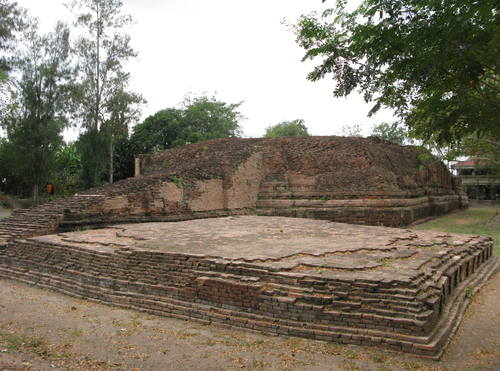
สถาปัตยกรรมเจดีย์วัดโขลงสุวรรณคีรี
เจดีย์วัดโขลงสุวรรคีรีสร้างขึ้นจากอิฐ สภาพปัจจุบันเหลือเพียงส่วนฐานและเรือนธาตุทึบตันซึ่งทำหน้าที่เสมือนเป็นฐานรับอาคารและลานประกอบพิธีกรรมที่อยู่ด้านบนแผนผังสี่เหลี่ยมผืนผ้ายกเก็จที่กลางด้านและมุม เฉพาะกลางด้านทิศตะวันออกทำบันไดทอดยาวเพื่อเป็นทางขึ้นสู่ลานชั้นบน องค์ประกอบของลวดบัวตามแนวตั้งที่สำตัญประกอบด้วยฐานหน้ากระดาน บัววลัยหรือกลศ ขื่อปลอม ถัดขึ้นไปเป็นฐานหน้ากระดานซ้อนชั้นมีท้องไม้ที่ประดับด้วยแนวเสา จากนั้นเป็นส่วนของเรือนธาตุทึบตันซึ่งประดับตกแต่งด้วยซุ้มจระนำ ลานยอดข้างบนเคยมีสิ่งก่อสร้างอื่นวางอยู่ทางตอนหลัง แต่ปัจจุบันเหลือเพียงส่วนฐานเท่านั้น บริเวณมุมทิศตะวันออกเฉียงเหนือมีเจดีย์สี่เหลี่ยมจัตุรัสตั้งอยู่ 1 องค์