ค้นหางานศิลปกรรม
ฐานข้อมูลศิลปกรรมในเอเชียตะวันออกเฉียงใต้
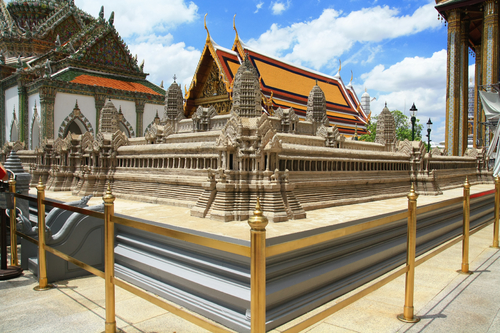

ประติมากรรมปราสาทนครวัดจำลอง
ปราสาทนครวัดจำลองอยู่ในผังสี่เหลี่ยมจัตุรัส ปราสาทประธานอยู่กึ่งกลางของแผนผังโดยมีความสูงมากที่สุด ล้อมรอบด้วยระเบียงคดที่มีความสูงลดหลั่นลงมา 3 ชั้น ระเบียงคดแต่ละชั้นประกอบด้วยเสาและหลังคาที่ทอดยาวเชื่อมต่อกัน โดยมีโคปุระหรือประตูทางเข้าที่กลางด้าน และที่มุมทั้ง 4 มีหน้าบันซ้อนชั้น อย่างไรก็ตาม เนื่องจากเป็นการจำลองแบบ ดังนั้นสัดส่วนและรายละเอียดต่างๆ จึงแตกต่างจากปราสาทนครวัดในศิลปะเขมร โดยจะพบว่าส่วนยอดของปราสาทประธานและบริวารมีลักษณะคล้ายส่วนยอดของปรางค์ในศิลปะไทย
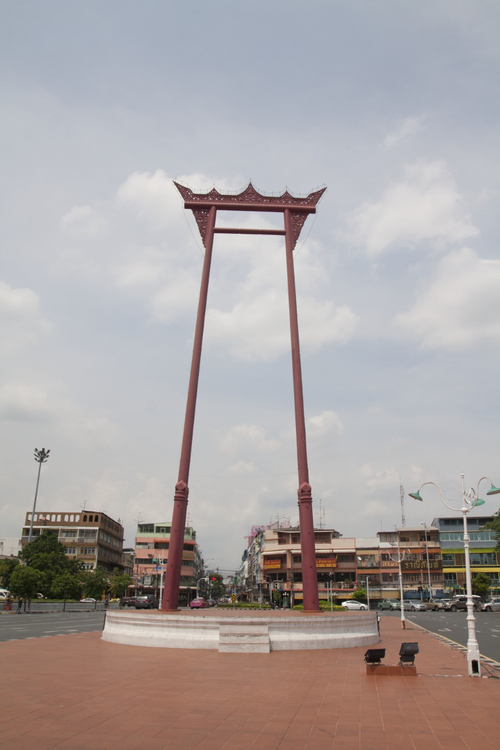
ประติมากรรมเสาชิงช้า
เสาชิงช้าตั้งอยู่บนฐานกลมมีบันไดทางขึ้น ตัวเสาประกอบด้วยเสาหลัก 2 ต้น แต่ละต้นขนาบด้วยเสาตะเกียบหัวเม็ดทรงมัณฑ์ที่โคนต้นละ 2 เสา ด้านบนมีแนวคานสำหรับคล้องชิงช้า ส่วนบนสุดประดับยอดเกี้ยวหูช้างแกะสลักเป็นลวดลายดอกพุดตานและพรรณพฤกษา ทาสีแดงชาดโดยตลอด
ประติมากรรมหลักเมืองกรุงเทพฯ
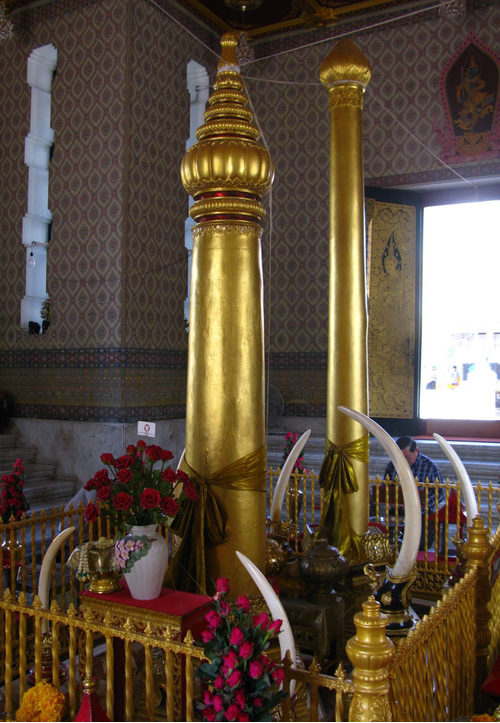
เสาหลักเมืองที่สร้างในรัชกาลที่ 1 เป็นเสาทรงกระบอกสอบขึ้น ส่วนโคนเสามีขนาดใหญ่กว่าส่วนปลายยอดเสาเป็นรูปดอกบัวตูม เสาทำด้วยไม้ชัยพฤกษ์มีไม้แก่นจันทน์ประกับนอก ฐานเสาเป็นรูปกลีบบัว ลงรักปิดทองคำเปลวโดยตลอด เสาหลักเมืองที่สร้างขึ้นในรัชกาลที่ 4 เป็นเสาไม้ชัยพฤกษ์ปิดทองทึบทั้งต้น ยอดเสาเม็ดทรงมัณฑ์ปิดทองประดับกระจก ฐานเสาทำด้วยไม้สัก เป็นรูปกลีบบัวฐานสิงห์หกเหลี่ยมปิดทองประดับกระจก
ประติมากรรมแผ่นหินสลักภาพมงคล
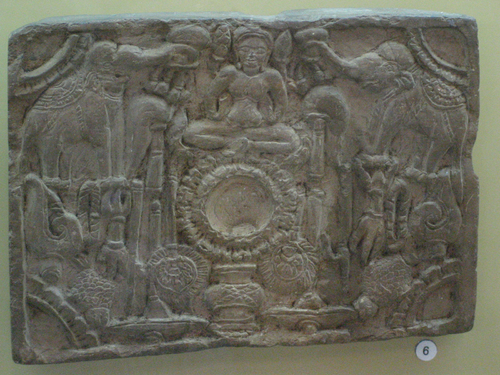
แผ่นหินรูปสี่เหลี่ยมผืนผ้า ตรงกลางและมุมทั้งสี่มีหลุมตื้นๆ ที่ล้อมรอบด้วยกลีบบัว อาจใช้สำหรับใส่พวกเครื่องหอมที่ใช้ในพิธีกรรม ตอนบนของแผ่นหินมีช้าง 2 เชือกทำท่าสรงน้ำให้สตรีซึ่งนั่งอยู่ตรงกลาง นักวิชาการเรียกภาพนี้ว่า “คชลักษมี” หรือ “อภิเษกศรี” ด้านล่างปรากฏสัญลักษณ์มงคลต่างๆ และมีส่วนหนึ่งเป็นเครื่องสูงประกอบอยู่ด้วย ทั้งหมดสลักเป็นคู่ๆ ได้แก่ จามร (แส้) วัชระ (สัญลักษณ์ของสายฟ้า) อังกุศะ (ขอสับช้าง) พัด ฉัตร บ่วง ส่วนภาพ ปลา สังข์ และปูรณกลศ (หม้อ) 1 ใบ
ประติมากรรมพระอิศวร
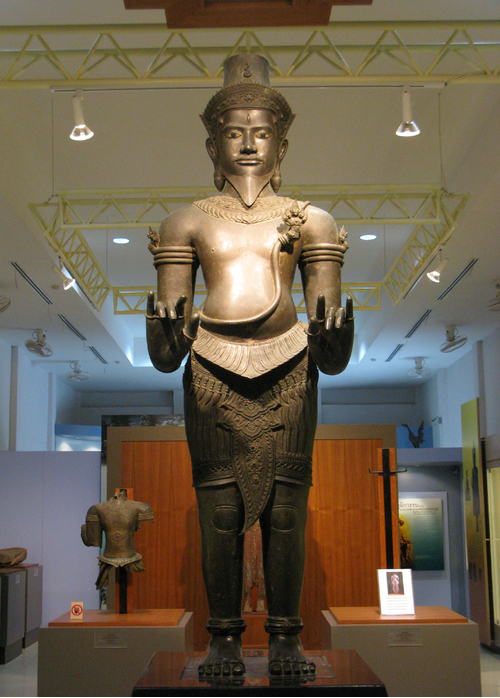
พระอิศวรอยู่ในอิริยาบถยืนตรงบนฐานสี่เหลี่ยม พระหัตถ์ทั้งสองยกขึ้นในระดับพระโสณี (สะโพก)พระพักตร์สี่เหลี่ยม เคร่งขรึม พระเนตรประดับมุก มีพระเนตรที่สามวางขวางตามแนวตั้งอยู่กลางพระนลาฏ พระฑาฏิกะ (เครา) ยาว ทรงกระบังหน้าเหนือพระนลาฏ เกล้าพระเกศาเป็นมวยทรงกระบอก ประดับอุณาโลมที่กลางมวยพระเกศา ทรงกุณฑลทรงตุ้มแหลม สุนทรียภาพโดยรวมแสดงถึงแรงบันดาลใจจากประติมากรรมในศาสนาพราหมณ์ในวัฒนธรรมลพบุรีหรือเขมรในประเทศไทยเด่นชัดมาก พระวรกายส่วนบนประดับด้วยกรองศอ พาหุรัดที่ทำเป็นรูปนาค และทรงสังวาลนาค พระวรกายส่วนล่างทรงสมพตสั้น ชักชายผ้าออกมาเป็นวงที่บริเวณพระอุทร ตรงกึ่งกลางมีชายผ้าซ้อนลงมา 3 ชั้นประดับตกแต่งด้วยลายช่อดอกไม้ ส่วนลวดลายของตัวผืนผ้าเป็นเส้นตามแนวตั้งและมีลายที่เชิงผ้า มีเข็มขัดประดับตกแต่งด้วยตุ้งติ้งรัดสมพตนี้ไว้ รูปแบบโดยรวมของสมพตสะท้อนความเกี่ยวข้องกับการนุ่งสมพตในประติมากรรมศิลปะลพบุรีหรือเขมรในประเทศไทยแบบบายน แต่ขณะเดียวกันการประดับตกแต่งด้วยลายช่อดอกไม้ที่คล้ายงานในสมัยอยุธยาตอนกลาง

ประติมากรรมพระวิษณุ
พระวิษณุอยู่ในอิริยาบถยืนตรงบนฐานหน้ากระดาน สวมมงกุฎทรงกระบอกหรือกิรีฏมกุฏเกลี้ยง ซึ่งเป็นลักษณะสำคัญที่เห็นได้ชัดของพระวิษณุรุ่นแรกๆ ในดินแดนไทย สัมพันธ์กับพระวิษณุในศิลปะอินเดียแบบปัลลวะพระองค์มี 4 พระกร พระกรขวาหน้าทอดลงจรดพระโสณี (สะโพก) เชื่อว่าเดิมทีเชื่อว่าเคยถือสัญลักษณ์ก้อนดินไว้ในพระหัตถ์ แต่ปัจจุบันชำรุดไปแล้ว พระกรซ้ายหน้าทอดลงจรดพระโสณีและถือตะบองไว้ในพระหัตถ์ แต่ปัจจุบันตะบองชำรุดไปแล้วเหลือแต่เพียงส่วนปลายที่ติดกับฐานหน้ากระดานและโคนที่ติดกับพระหัตถ์ พระกรขวาหลังและพระกรซ้ายหลังหักหายไปหมดแล้ว เมื่อเทียบกับประติมากรรมพระวิษณุอื่นๆ เชื่อว่าทั้ง 2 ข้างยกขึ้น ข้างขวาถือจักร ข้างซ้ายถือสังข์ การถือสิ่งของทั้ง 4 ชนิดในตำแหน่งพระหัตถ์ข้างต้นนี้เป็นแบบแผนของศิลปะอินเดียแบบปัลลวะ พระวรกายช่วงบนเปล่าเปลือย ช่วงล่างสวมผ้านุ่งยาวหรือที่เรียกว่า “โธตี” มีผ้าภูษาคาดพระโสณี (สะโพก) เป็นแนวตรง ประติมากรผู้สลักพระวิษณุองค์นี้คงมีกังวลว่าจะชำรุดแตกหักได้ง่าย พระกรปกติทั้ง 2 ข้างจึงเชื่อมติดกับพระโสณี (สะโพก) และยังใช้จุดรับน้ำหนัก 5 จุด ได้แก่ พระบาท 2 ข้าง แถบหน้านางอยู่ตรงกลาง ชายผ้าภูษาพันรอบพระโสณี (สะโพก) อยู่ทางขวา และตะบองอยู่ทางซ้าย
ประติมากรรมพระวิษณุ
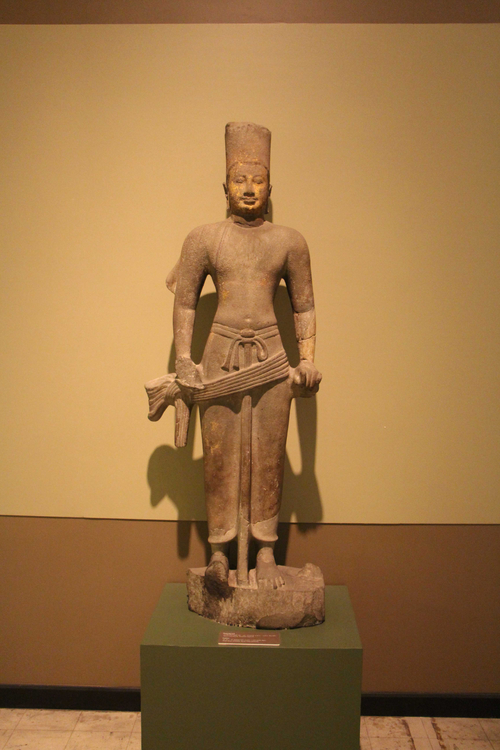
พระวิษณุอยู่ในอิริยาบถยืนตรงบนฐานหน้ากระดาน สวมมงกุฎทรงกระบอกหรือกิรีฏมกุฏเกลี้ยง ซึ่งเป็นลักษณะสำคัญที่เห็นได้ชัดของพระวิษณุรุ่นแรกๆ ในดินแดนไทย ทั้งสัมพันธ์กับพระวิษณุในศิลปะอินเดียแบบปัลลวะพระองค์มี 4 พระกร พระกรขวาหน้าทอดลงจรดผ้าภูษาคาดพระโสณี เชื่อว่าเดิมทีเชื่อว่าเคยถือสัญลักษณ์ก้อนดินไว้ในพระหัตถ์ แต่ปัจจุบันชำรุดไปแล้ว พระกรซ้ายหน้าทอดลงและถือตะบองไว้ในพระหัตถ์ แต่ปัจจุบันตะบองชำรุดไปแล้วเหลือแต่เพียงส่วนปลายที่ติดกับฐานหน้ากระดานและโคนที่ติดกับพระหัตถ์ พระกรขวาหลังและพระกรซ้ายหลังหักหายไปหมดแล้ว เมื่อเทียบกับประติมากรรมพระวิษณุอื่นๆ เชื่อว่าทั้ง 2 ข้างยกขึ้น ข้างขวาถือจักร ข้างซ้ายถือสังข์ การถือสิ่งของทั้ง 4 ชนิดในตำแหน่งพระหัตถ์ข้างต้นนี้เป็นแบบแผนของศิลปะอินเดียแบบปัลลวะ พระวรกายช่วงบนเปล่าเปลือย ช่วงล่างสวมผ้านุ่งยาวหรือที่เรียกว่า “โธตี” มีผ้าภูษาคาดพระโสณี (สะโพก) เป็นแนวเฉียงประติมากรผู้สลักพระวิษณุองค์นี้คงมีกังวลว่าจะชำรุดแตกหักได้ง่าย พระกรปกติข้างหนึ่งจึงยึดติดกับชายผ้าคาดพระโสณี และอีกข้างหนึ่งจึงยึดติดกับตะบองซึ่งเชื่อมต่อกับพระโสณีและฐานอีกทอดหนึ่ง นอกจากนี้แถบหน้านางที่พาดผ่านตรงกลางผ้านุ่งแทนที่จะมีส่วนปลายสิ้นสุดเพียงตำแหน่งชายผ้านุ่ง แต่กลับตั้งใจให้ยาวจรดฐาน ทำให้พระวิษณุองค์นี้มีจุดรับน้ำหนัก 4 จุด ได้แก่ พระบาท 2 ข้าง แถบหน้านาง และตะบอง
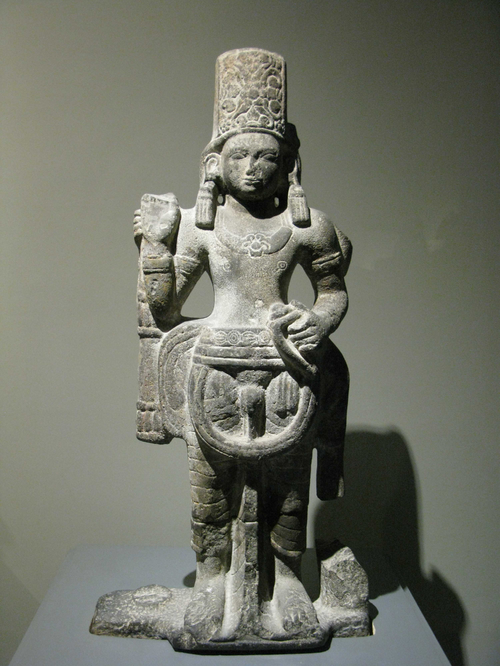
ประติมากรรมพระวิษณุ
พระวิษณุองค์นี้อยู่ในอิริยาบถยืนตรง สวมมงกุฎทรงกระบอกหรือกิรีฏมกุฏ ซึ่งเป็นลักษณะสำคัญที่เห็นได้ชัดของพระวิษณุรุ่นแรกๆ ในดินแดนไทยพระองค์มี 4 พระกรตามแบบแผนทางประติมานวิทยาของพระวิษณุ พระกรขวาหน้าแสดงปางประทานอภัย พระหัตถ์ขวาหลังถือตะบอง พระหัตถ์ซ้ายหน้าถือสังข์ในระดับพระโสณี (สะโพก) พระหัตถ์ซ้ายหลังหักหายซึ่งแต่เดิมควรถือจักร ท่าทางและการถือสิ่งของในตำแหน่งข้างต้นนี้มีมาก่อนแล้วในรูปพระวิษณุในศิลปะอินเดียภาคเหนือรุ่นก่อนพุทธศตวรรษที่ 10 พระวรกายช่วงบนเปล่าเปลือย ช่วงล่างสวมผ้านุ่งยาวหรือที่เรียกว่า “โธตี” บางแนบพระวรกายจนเห็นสรีระภายใน มีชายผ้าคาดพระโสณี (สะโพก) รูปวงโค้งพาดผ่านเหนือพระอุรุ (ต้นขา) ลักษณะเช่นนี้เทียบได้กับศิลปะอินเดียภาคใต้ในช่วงก่อนพุทธศตวรรษที่ 10