ค้นหางานศิลปกรรม
ฐานข้อมูลศิลปกรรมในเอเชียตะวันออกเฉียงใต้
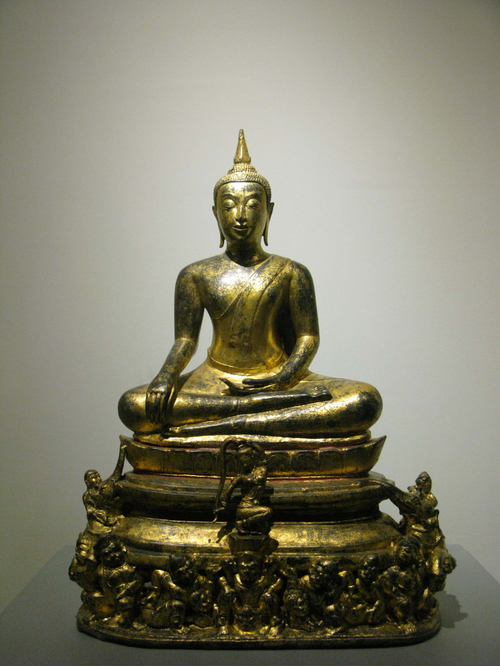

ประติมากรรมพระพุทธรูปปางมารวิชัย
พระพุทธรูปอยู่ในอิริยาบถนั่งขัดสมาธิราบ พระหัตถ์ทำปางมารวิชัย รองรับด้วยฐานสูงที่ประดับตกแต่งด้วยกลีบบัวหงายและเหตุการณ์ตอนตรัสรู้หรือชนะมารลักษณะเด่นของพระพุทธรูปคือ มีวงพระพักตร์ค่อนข้างเป็นวงรูปไข่ พระรัศมีเปลว โดยรวมสะท้อนการคลี่คลายจากศิลปะสุโขทัยอันเป็นรูปแบบหนึ่งของพระพุทธรูปศิลปะอยุธยาตอนกลาง ครองจีวรห่มเฉียง บางแนบเนื้อ ชายสังฆาฏิหรือชายจีวรพาดผ่านพระอังสาซ้ายยาวจรดพระนาภี ฐานรองรับพระพุทธรูปเป็นฐานสูงที่ประดับตกแต่งด้วยเหตุการณ์ตอนตรัสรู้ แถวล่างสุดเป็นกองทัพของพญามารที่เข้ามาผจญพระพุทธองค์ โดยตัวพญามารขี่ช้างอยู่ทางขวาของพระพุทธรูป ตรงกลางในตำแหน่งที่เหนือกว่าไพร่พลมารขึ้นมาเป็นรูปแม่พระธรณีกำลังบีบมวยผม ด้านซ้ายของพระพุทธรูปเป็นพญามารบนหลังช้างกำลังพ่ายแพ้

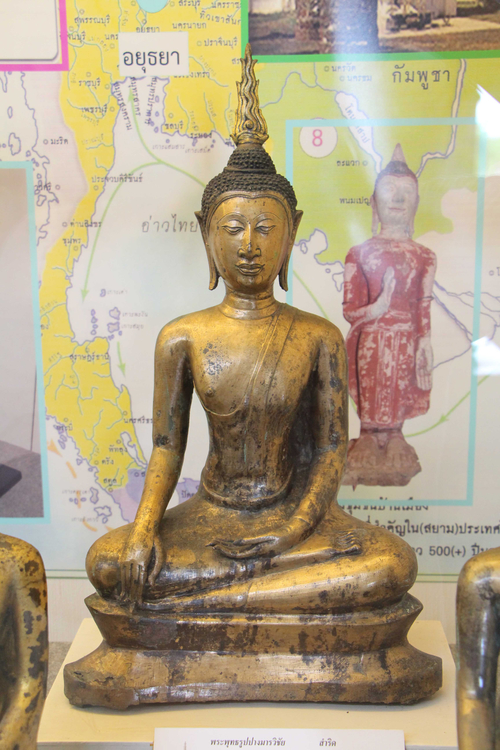
ประติมากรรมพระพุทธรูปปางมารวิชัย
พระพุทธรูปอยู่ในอิริยาบถนั่งขัดสมาธิราบปางมารวิชัยบนฐานบัวที่ไม่มีการประดับตกแต่งใดๆ รูปแบบในภาพรวมสะท้อนถึงการสืบต่อจากพระพุทธรูปรุ่นก่อนกรุงศรีอยุธยา-อยุธยาตอนต้น หรือพระพุทธรูปอู่ทองรุ่นที่ 1 และรุ่นที่ 2 ในขณะเดียวกันก็มีความสัมพันธ์กับพระพุทธรูปหมวดใหญ่ในศิลปะสุโขทัยด้วย รูปแบบสำคัญของพระพุทธรูปองค์นี้ที่สืบต่อจากพระพุทธรูปอู่ทองรุ่นที่ 1 และ 2 ได้แก่ นั่งขัดสมาธิราบพระหัตถ์ทำปางมารวิชัยอยู่บนฐานบัวเกลี้ยงๆ เม็ดพระศกเทียบได้ดังหนามขนุน ส่วนความสัมพันธ์กับพระพุทธรูปสุโขทัยเห็นได้จากพระรัศมีรูปเปลวไฟ พระพักตร์วงรูปไข่ พระขนงโก่งโค้ง แม้มีไรพระศกเช่นพระพุทธรูปอู่ทอง แต่การหยักแหลมที่กึ่งกลางพระนลาฏล้อตามความโก่งโค้งของพระขนงและบริเวณพระกรรเจียก (ขมับ) ไม่หยักแหลม ย่อมสัมพันธ์กับแนวพระเกศาในพระพุทธรูปศิลปะสุโขทัยหมวดใหญ่ พระพุทธรูปองค์นี้ครองจีวรห่มเฉียง ชายสังฆาฏิหรือชายจีวรเป็นแถบสี่เหลี่ยมพาดผ่านพระอังสาซ้ายยาวจรดพระนาภี ปลายตัดตรง พระหัตถ์ขวาวางอยู่บริเวณพระชงฆ์มีความอ่อนช้อยกว่าพระพุธรูปอู่ทองรุ่นที่ 1 และ 2 ซึ่งน่าจะเป็นอีกประเด็นหนึ่งที่สัมพันธ์กับพระพุทธรูปสุโขทัย
ประติมากรรมพระพุทธรูปปางมารวิชัย
พระพุทธรูปอยู่ในอิริยาบถนั่งขัดสมาธิราบปางมารวิชัยบนฐานบัวที่ไม่มีการประดับตกแต่งใดๆ รูปแบบในภาพรวมสะท้อนถึงการสืบต่อจากพระพุทธรูปรุ่นก่อนกรุงศรีอยุธยา-อยุธยาตอนต้น หรือพระพุทธรูปอู่ทองรุ่นที่ 1 และรุ่นที่ 2 ในขณะเดียวกันก็มีความสัมพันธ์กับพระพุทธรูปหมวดใหญ่ในศิลปะสุโขทัยด้วยรูปแบบสำคัญของพระพุทธรูปองค์นี้ที่สืบต่อจากพระพุทธรูปอู่ทองรุ่นที่ 1 และ 2 ได้แก่ นั่งขัดสมาธิราบพระหัตถ์ทำปางมารวิชัยอยู่บนฐานบัวเกลี้ยงๆ เม็ดพระศกเทียบได้ดังหนามขนุน ส่วนความสัมพันธ์กับพระพุทธรูปสุโขทัยเห็นได้จากพระรัศมีรูปเปลวไฟ พระพักตร์วงรูปไข่ พระขนงโก่งโค้ง แม้มีไรพระศกเช่นพระพุทธรูปอู่ทอง แต่การหยักแหลมที่กึ่งกลางพระนลาฏล้อตามความโก่งโค้งของพระขนงและบริเวณพระกรรเจียก (ขมับ) ไม่หยักแหลม ย่อมสัมพันธ์กับแนวพระเกศาในพระพุทธรูปศิลปะสุโขทัยหมวดใหญ่ พระพุทธรูปองค์นี้ครองจีวรห่มเฉียง ชายสังฆาฏิหรือชายจีวรเป็นแถบสี่เหลี่ยมพาดผ่านพระอังสาซ้ายยาวจรดพระนาภี ปลายตัดตรง พระหัตถ์ขวาวางอยู่บริเวณพระชงฆ์มีความอ่อนช้อยกว่าพระพุธรูปอู่ทองรุ่นที่ 1 และ 2 ซึ่งน่าจะเป็นอีกประเด็นหนึ่งที่สัมพันธ์กับพระพุทธรูปสุโขทัย
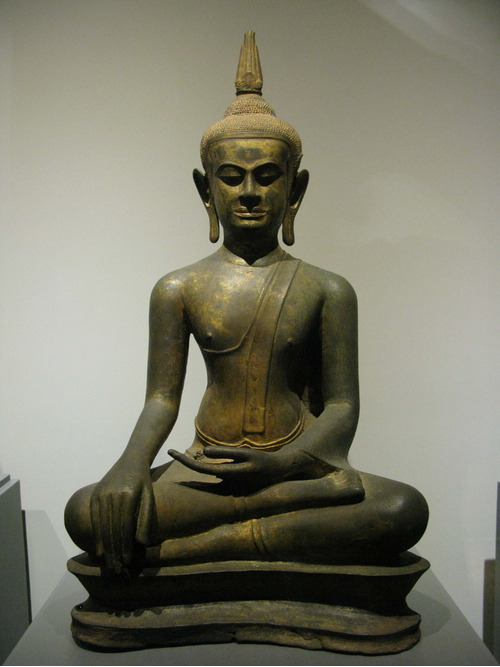
ประติมากรรมพระพุทธรูปปางมารวิชัย
พระพุทธรูปอยู่ในอิริยาบถนั่งขัดสมาธิราบปางมารวิชัยบนฐานบัวที่ไม่มีการประดับตกแต่งใดๆรูปแบบสำคัญของพระพุทธรูปองค์นี้ที่ช่วยในการกำหนดอายุและสะท้อนถึงเรื่องราวในอดีตได้ ได้แก่ พระพักตร์เหลี่ยม ไรพระศกเป็นแถบเหนือพระนลาฏและหยักเป็นมุมแหลมบริเวณพระกรรเจียก (ขมับ) สิ่งเหล่านี้สิบต่อมาจากพระพุทธรูปศิลปะเขมรในประเทศไทย ถัดขึ้นไปมีพระเกศาเป็นตุ่มเล็กเปรียบได้กับหนามขนุน พระอุษณีษะทรงครึ่งวงกลม พระรัศมีเปลวไฟ สะท้อนถึงความแตกต่างไปจากศิลปะเขมรในประเทศไทย แต่อาจสัมพันธ์กับศิลปะสุโขทัยโดยเฉพาะการทำพระรัศมีรูปเปลวไฟ พระพุทธรูปองค์นี้ครองจีวรห่มเฉียง ชายสังฆาฏิหรือชายจีวรเป็นแถบสี่เหลี่ยมใหญ่พาดผ่านพระอังสาซ้ายยาวจรดพระนาภี พระหัตถ์ขวาวางอยู่บริเวณพระชงฆ์มีขนาดใหญ่และแลดูเทอะทะ
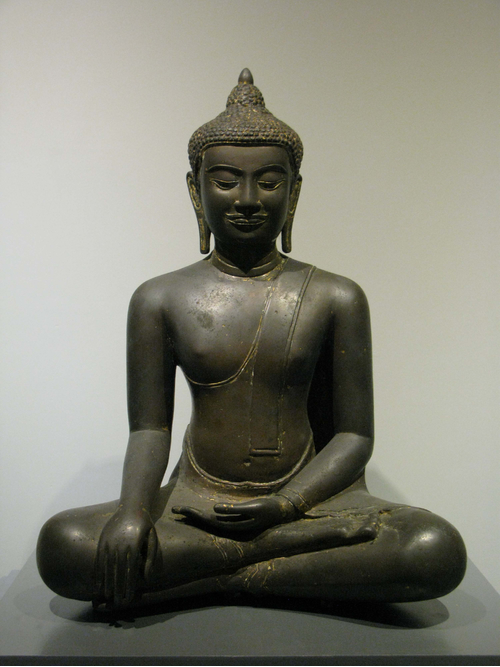
ประติมากรรมพระพุทธรูปปางมารวิชัย
พระพุทธรูปอยู่ในอิริยาบถนั่งขัดสมาธิราบปางมารวิชัยสุนทรียภาพที่แสดงถึงอายุสมัยว่าสร้างขึ้นก่อนกรุงศรีอยุธยาเป็นราชธานีหรือระยะแรกสุด ได้แก่ ความสัมพันธ์กับศิลปะเขมรในประเทศไทย ได้แก่ พระพักตร์เหลี่ยม ไรพระศกเป็นแถบเหนือพระนลาฏ หยักเป็นมุมแหลมบริเวณพระกรรเจียก (ขมับ) อย่างไรก็ตามพระพุทธรูปองค์นี้ทำพระอุษณีษะทรงครึ่งวงกลมและพระรัศมีรูปลูกแก้วหรือดอกบัวตูม ซึ่งแตกต่างไปจากพระพุทธรูปศิลปะเขมรในประเทศไทยทั่วไป ลักษณะนี้แสดงถึงการคลี่คลายหรือห่างไกลออกมาจากศิลปะเขมรในประเทศไทยแล้ว ซึ่งอาจช่วยกำหนดอายุพระพุทธรูปองค์นี้ว่าสร้างขึ้นก่อนกรุงศรีอยุธยาเป็นราชธานีเล็กน้อย หรือสร้างขึ้นระยะแรกสุดของสมัยอยุธยาตอนต้น พระพุทธรูปองค์นี้ครองจีวรห่มเฉียง ชายสังฆาฏิหรือชายจีวรเป็นแถบสี่เหลี่ยมใหญ่พาดผ่านพระอังสาซ้ายยาวจรดพระนาภี
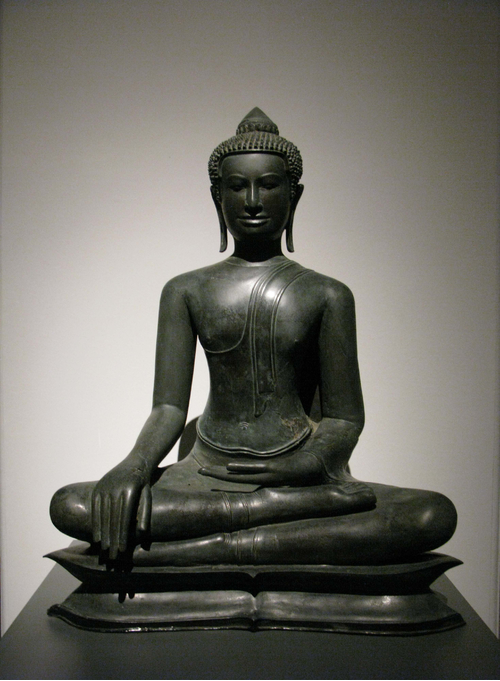
ประติมากรรมพระพุทธรูปปางมารวิชัย
พระพุทธรูปอยู่ในอิริยาบถนั่งขัดสมาธิราบปางมารวิชัยอยู่บนฐานบัวเกลี้ยงไม่ประดับลายสุนทรียภาพที่สัมพันธ์กับศิลปะเขมรในประเทศไทยแบบบายนหรือหลังบายน ได้แก่ พระพักตร์เหลี่ยม ไรพระศกเป็นแถบเหนือพระนลาฏ หยักเป็นมุมแหลมบริเวณพระกรรเจียก (ขมับ) พระอุษณีษะทรงกรวยแหลมรองรับด้วยแถวกลีบบัว พระพุทธรูปองค์นี้ครองจีวรห่มเฉียง โดยเส้นชายจีวรที่พาดผ่านพระอุระขวาตวัดเป็นเส้นโค้งอาจสัมพันธ์กับศิลปะอินเดียแบบปาละไม่มากก็น้อย ชายสังฆาฏิหรือชายจีวรพาดผ่านพระอังสาซ้ายยาวจรดพระนาภี พระหัตถ์ขวาวางอยู่บริเวณพระชงฆ์ แลดูใหญ่และเทอะทะ เป็นลักษณะหนึ่งของพระพุทธรูปยุคก่อนกรุงศรีอยุธยา
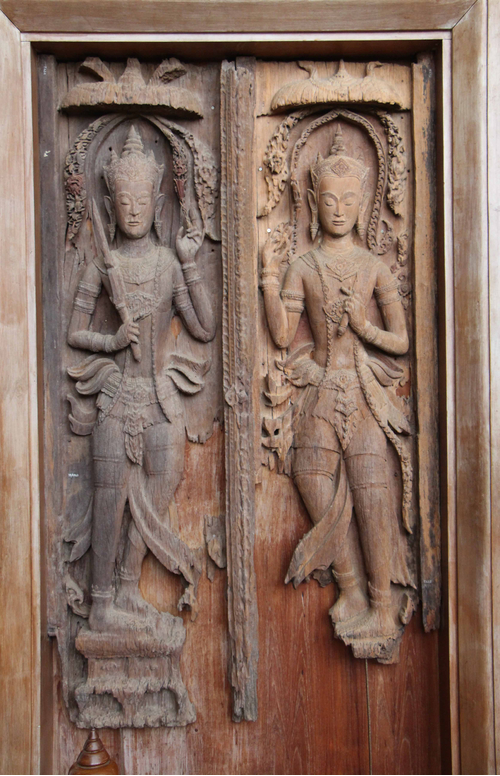
ประติมากรรมบานประตูไม้
บานประตูไม้คู่นี้สลักภาพทวารบาลบานละ 1 องค์ รูปแบบเป็นแบบเดียวกันต่างกันเพียงอิริยาบถที่สลับข้างกัน ทั้งคู่ยืนในอิริยาบถพักขาบนฐานสิงห์ พระหัตถ์ข้างหนึ่งยกขึ้นกำช่อดอกไม้ พระหัตถ์อีกข้างหนึ่งถือพระขรรค์พระพักตร์ยาวรี สวมเครื่องทรงหลายอย่าง เช่น มงกุฎที่ประกอบด้วยกระบังหน้าและรัดเกล้ากรวย มียอดแหลมขนาดเล็กล้อมรัดเกล้า กุณฑลทรงตุ้มแหลม กรองศอ สังวาล ทับทรวง พาหุรัด ทองพระกร เข็มขัดรัดพระองค์ ทองพระบาท สวมผ้านุ่งสั้นแต่มีชายผ้ายาว พระเศียรมีซุ้มล้อมรอบทำนองเดียวกันกับประภามณฑล ถัดออกไปเป็นช่อดอกไม้ ถัดขึ้นไปเป็นฉัตร
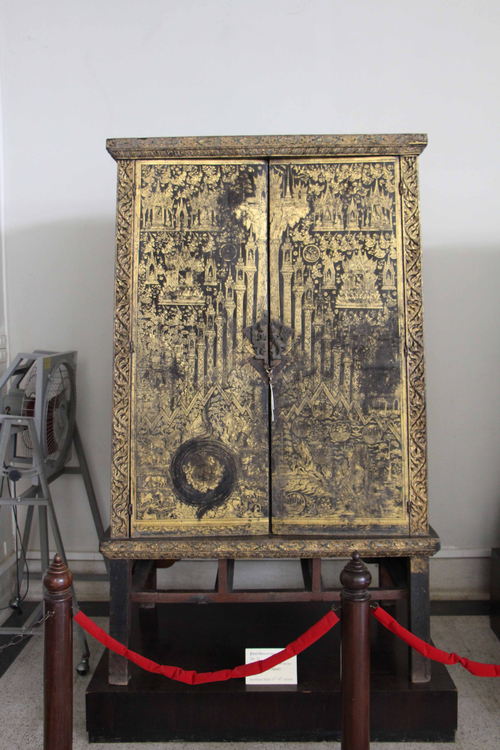
จิตรกรรมตู้พระธรรม
ตู้พระธรรมใบนี้ทำขาตู้ด้วยไม้สี่เหลี่ยมธรรมดา ไม่สลักลวดลายใดๆ นิยมเรียกขาตู้แบบนี้ว่าขาหมู จึงนำไปใช้เรียกตู้แบบนี้ว่า ตู้พระธรรมขาหมูฝาตู้มีลายลดน้ำ หรือลายลงรักปิดทอง เขียนภาพภูมิจักรวาลในคติพุทธศาสนา ภาพนี้แบ่งเป็น 2 ส่วน โดยมีเส้นสินเทาคั่นแบ่งระหว่างกัน เบื้องล่างของเส้นสินเทาแสดงภาพป่าหิมพานต์อันเป็นป่าที่ชมพูทวีป บานทางซ้ายมือปรากฏภาพสระอโนดาต เป็นสระน้ำรูปวงกลมขนาดใหญ่ซึ่งเป็นต้นกำเนิดของแม่น้ำ 4 สาย แม่น้ำแต่ละสายไหลออกมาจากปรากของสัตว์แต่ละชนิด ได้แก่ ช้าง ม้า วัว สิงห์ ส่วนบานทางขวามือเป็นภาพสระน้ำอื่นๆ ในป่าหิมพานต์ แสดงเป็นรูปสระน้ำวงกลมขนาดเล็กที่มีดอกไม้หรือดอกบัวอยู่ภายใน องค์ประกอบส่วนอื่นมีต้นไม้ โขดหิน และสัตว์ต่างๆ ด้านบนของเส้นสินเทาแสดงภาพเขาพระสุเมรุอยู่ตรงกลาง บนยอดเป็นสวรรค์ชั้นดาวดึงส์ที่อยู่ของพระอินทร์ มีปราสาทซึ่งคงหมายถึงปราสาทไพชยนต์อยู่ตรงกลาง ช้างอเราวัณอยู่ด้านล่างราวกับว่าแบกปราสาทนี้ไว้ จุฬามณีเจดีย์อยู่ทางขวามือ ถัดลงมาทั้ง 2 ข้างจากเขาพระสุเมรุเป็นเขาสัตตบริภัณฑ์ หรือเขาวงแหวนเจ็ดชั้นที่ล้อมรอบเขาพระสุเมรุ แต่ละลูกมีความสูงลดหลั่นกันลงไป แสดงอออกในรูปทรงแท่งเสาจำนวนด้านละ 7 แท่ง แสดงให้เห็นว่าช่างได้วาดภาพเขาสัตตบริภัณฑ์ด้วยมุมมองผ่าแบ่งครึ่ง เหนือเขาแต่ละลูกมีวิมานของเทวดา แวดล้อมเขาพระสุเมรุและเขาวงแหวน 7 ชั้น ยังปรากฏภาพวิมานเทวดาและเหล่าเทวดาในท่าเหาะจำนวนมาก มีวงกลม 2 วงที่แทนพระอาทิตย์และพระจันทร์ด้วย