ค้นหางานศิลปกรรม
ฐานข้อมูลศิลปกรรมในเอเชียตะวันออกเฉียงใต้
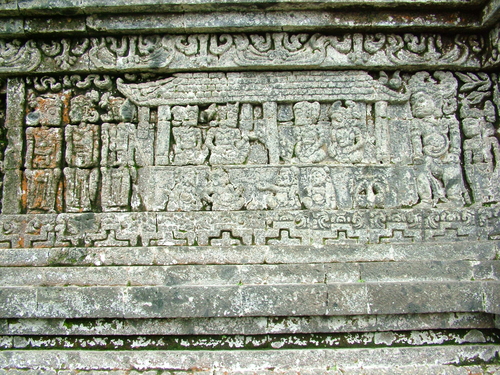

ประติมากรรมภาพเล่าเรื่อง “ปาณฑพเล่นสกากับเการพ”
ภาพเล่าเรื่องในศิลปะชวาภาคตะวันออก ประติมากรรมบุคคลค่อนข้างแบนคล้ายคลึงหนังตะลุงชวา หันข้างเพียงอย่างเดียว ไม่มีการหันหน้าตรง มีการแต่งตัวด้วยศิราภรณ์แบบพื้นเมืองแตกต่างไปจากแบบอินเดีย ที่ว่างโดยรอบถมด้วยลวดลายพันธุ์พฤกษาและลายเมฆ อาคารเองก็เป็นอาคารเครื่องไม้มุงกรเบื้องตามอย่างอาคารแบบพื้นเมือง ความเป็นพื้นเมืองทั้งหมดนี้แสดงลักษณะเฉพาะของ “ศิลปะชวาภาคตะวันออก”
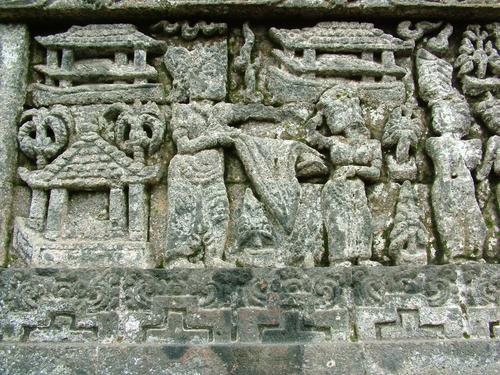
ประติมากรรมภาพเล่าเรื่อง “เปลื้องผ้านางเทราปตี”
ภาพเล่าเรื่องในศิลปะชวาภาคตะวันออก ประติมากรรมบุคคลค่อนข้างแบนคล้ายคลึงหนังตะลุงชวา หันข้างเพียงอย่างเดียว ไม่มีการหันหน้าตรง มีการแต่งตัวด้วยศิราภรณ์แบบพื้นเมืองแตกต่างไปจากแบบอินเดีย ที่ว่างโดยรอบถมด้วยลวดลายพันธุ์พฤกษาและลายเมฆ อาคารเองก็เป็นอาคารเครื่องไม้มุงกรเบื้องตามอย่างอาคารแบบพื้นเมือง ความเป็นพื้นเมืองทั้งหมดนี้แสดงลักษณะเฉพาะของ “ศิลปะชวาภาคตะวันออก”
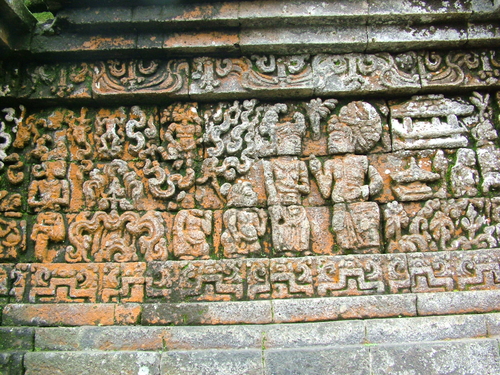
ประติมากรรมภาพเล่าเรื่อง “อรชุนบำเพ็ญตบะ”
ภาพเล่าเรื่องในศิลปะชวาภาคตะวันออก ประติมากรรมบุคคลค่อนข้างแบนคล้ายคลึงหนังตะลุงชวา หันข้างเพียงอย่างเดียว ไม่มีการหันหน้าตรง มีการแต่งตัวด้วยศิราภรณ์แบบพื้นเมืองแตกต่างไปจากแบบอินเดีย ที่ว่างโดยรอบถมด้วยลวดลายพันธุ์พฤกษาและลายเมฆ อาคารเองก็เป็นอาคารเครื่องไม้มุงกรเบื้องตามอย่างอาคารแบบพื้นเมือง ความเป็นพื้นเมืองทั้งหมดนี้แสดงลักษณะเฉพาะของ “ศิลปะชวาภาคตะวันออก”
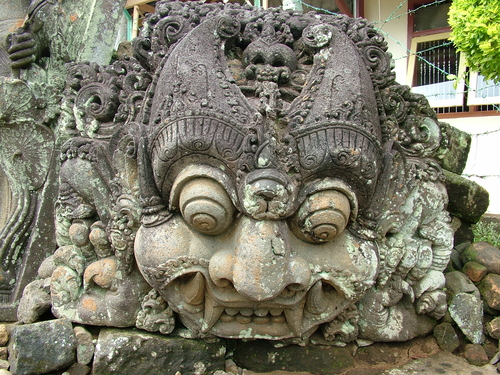
ประติมากรรมหน้ากาลแบบชวาภาคตะวันออก
หน้ากาลในศิลปะชวาภาคตะวันออกมีความดุร้ายกว่าหน้ากาลชวาภาคกลางมาก มีตาถลนโปน ปากมีเขี้ยวทั้งปากบนและปากล่าง มีเขาและมีกะโหลก รวมถึงมีมือทั้งสองที่ยกขึ้นแสดงท่าขู่ “ดรรชนีมุทรา” อนึ่ง การที่หน้ากาลมีทั้งริมฝีปากบนและริมฝีปากล่างนั้น ย่อมแสดงให้เห็นว่า คติแบบอินเดียที่หน้ากาลไม่มีปากล่างได้สูญหายไปแล้ว
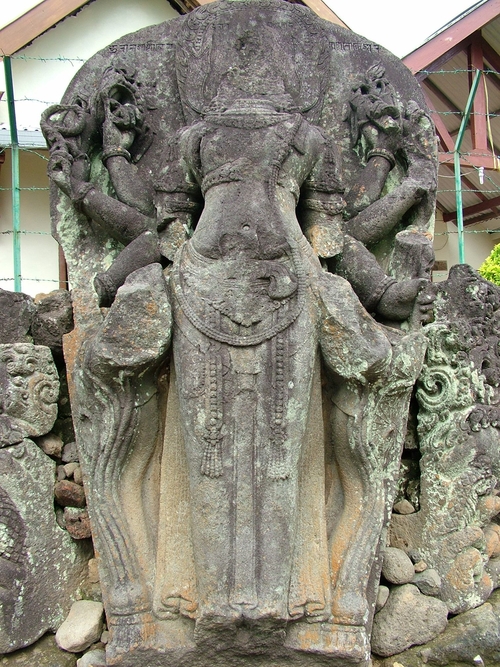
ประติมากรรมพระโพธิสัตว์อโมฆบาศ
ประติมากรรมชิ้นนี้มีลักษณะตามอย่างศิลปะขวาภาคตะวันออกโดยทั่วไป กล่าวคือ เครื่องแต่งกายประกอบด้วยสร้อยไข่มุกและพู่ไข่มุกจำนวนมาก ที่แผ่นหลัง ที่แผ่นหลังยังปรากฏดอกบัวและใบบัวจำนวนมากซึ่งเป้นลักษณะเฉพาะของศิลปะในสมัยนี้เช่นกัน
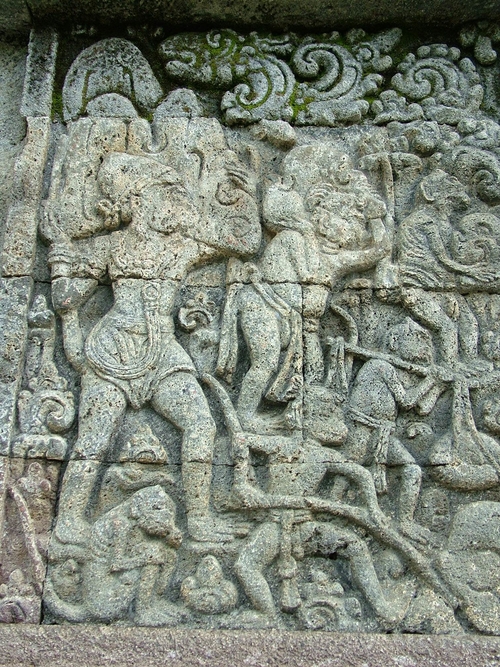
ประติมากรรมรามายณะตอนจองถนน
ลานประธาน เป็นที่ตั้งของฐานเป็นชั้นสำหรับจันทิประธาน ฐานเป็นชั้นนี้คงมีความหมายเกี่ยวพันกับเขาพระสุเมรุอันเป็นเขาแกนกลางจักรวาลและเป็นที่ประทับของพระศิวะ อย่างไรก็ตาม อาคารด้านบนฐานดังกล่าวไม่หลงเหลืออยู่แล้วจนถึงปัจจุบัน และอาจเป็นไปได้ที่อาคารหลังนี้อาจเคยเป็นทรง “เมรุ” หรืออาคารหลังคาลาดซ้อนชั้นตามแบบที่ปรากฏในศิลปะบาหลีในปัจจุบัน ฐานชั้นที่หนึ่ง สลักภาพเล่าเรื่องรามายณะ ภาพเล่าเรื่องตอนนี้มีลักษณะคล้ายหนังตะลุงชวา (วาหยัง) มาก
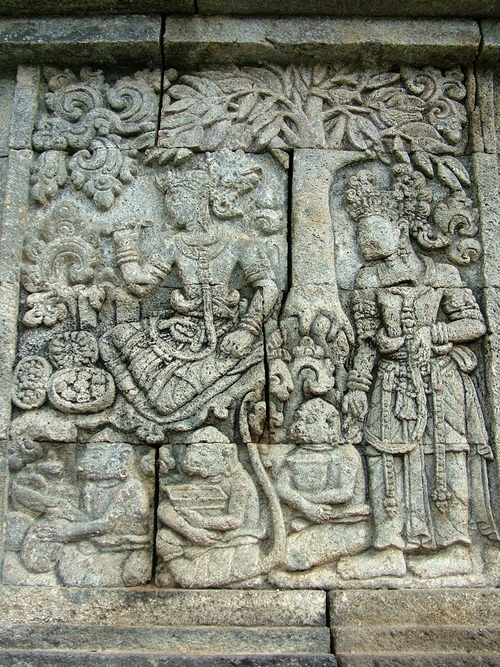
ประติมากรรมรามายณะตอนพระราม พระลักษมณีและกองทัพลิง
ลานประธาน เป็นที่ตั้งของฐานเป็นชั้นสำหรับจันทิประธาน ฐานเป็นชั้นนี้คงมีความหมายเกี่ยวพันกับเขาพระสุเมรุอันเป็นเขาแกนกลางจักรวาลและเป็นที่ประทับของพระศิวะ อย่างไรก็ตาม อาคารด้านบนฐานดังกล่าวไม่หลงเหลืออยู่แล้วจนถึงปัจจุบัน และอาจเป็นไปได้ที่อาคารหลังนี้อาจเคยเป็นทรง “เมรุ” หรืออาคารหลังคาลาดซ้อนชั้นตามแบบที่ปรากฏในศิลปะบาหลีในปัจจุบัน ฐานชั้นที่หนึ่ง สลักภาพเล่าเรื่องรามายณะ ภาพเล่าเรื่องตอนนี้มีลักษณะคล้ายหนังตะลุงชวา (วาหยัง) มาก
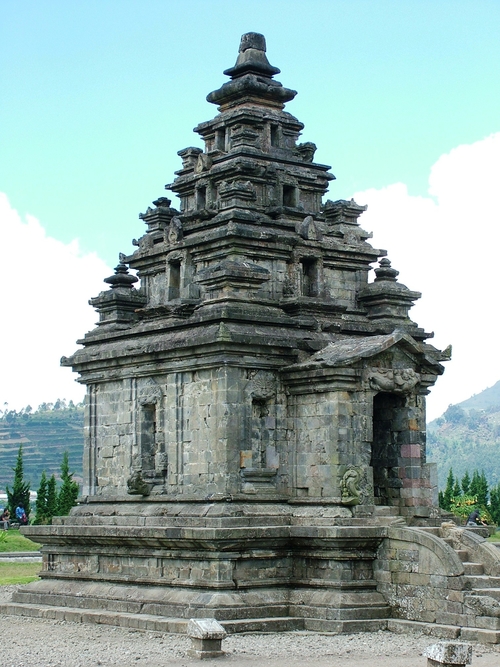
สถาปัตยกรรมจันทิอรชุน
จันทิมีลักษณะคล้ายคลึงกับวิมานในศิลปะอินเดียใต้อย่างมาก กล่าวคือ เป็นจันทิในผังครรภคฤหะ มีมุขสั้นๆยื่นออกมาทางด้านหน้า เรือนธาตุประดับด้วยเสาติดผนังสี่ต้นแบ่งผนังออกเป็นสามส่วน (เก็จประธานและเก็จมุม) ชั้นหลังคามีเรือนธาตุจำลอง (ตละ) ซ้อนชั้นขึ้นไป ที่มุมประดับด้วยอาคารจำลอง (หาระ) การท่เส้นรอนอกของยอดมีลักษณะป้นขั้นบันไดนั้นคล้ายคลึงกับวิมานในศิลปะอินเดียใต้อย่างมาก