ค้นหางานศิลปกรรม
ฐานข้อมูลศิลปกรรมในเอเชียตะวันออกเฉียงใต้
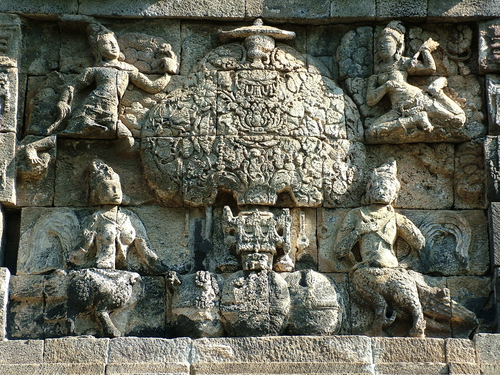

ประติมากรรมต้นกัลปพฤกษ์ที่จันทิปะวน
จันทิปะวน ตั้งอยู่ใกล้บุโรพุทโธ สร้างขึ้นในพุทธศาสนามหายานโดยราชวงศ์ไศเลนทร์ผู้นับถือพุทธศาสนามหายาน
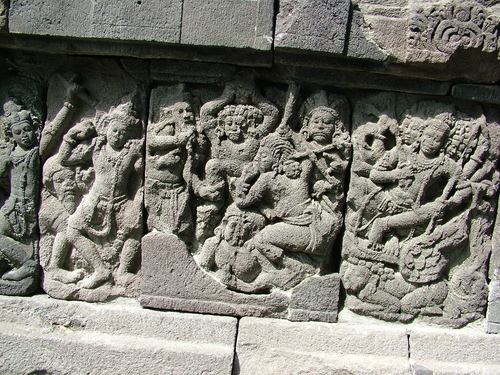
ประติมากรรมภาพเล่าเรื่องรามายณะที่จันทิปรัมบะนัน
รูปแบบภาพล่าเรื่องที่จันทิปรัมบะนันมีพัฒนาการแล้วจากภาพเล่าเรื่องที่บุโรพุทโธ กล่าวคือ นิยมการถมพื้นที่ว่างจนเต็มไปด้วยลวดลายธรรมชาติ เช่น ภาพภูเขาและต้นไม้ ซึ่งแนวโน้มเช่นนี้เรียกโดยศาสตราจารย์หม่อมเจ้าสุภัทรดิศว่า “การรังเกียจพื้นที่ว่างเปล่า” ซึ่งแสดงแนวโน้มที่ใกล้เคียงกับศิลปะชวาภาคตะวันออกเข้าไปทุกที แม้ว่าลักษณะบางประการจะใกล้เคียงกับศิลปะชวาภาคตะวันออก แต่ภาพบุคคลยังคงกลมกลึงมีปริมาตร และหลายครั้งยังคงหันหน้าตรงตามแบบภาพเล่าเรื่องในศิลปะอินเดีย
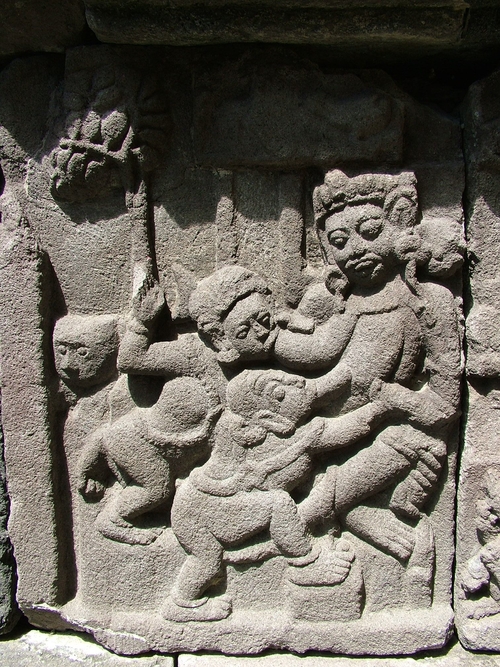
ประติมากรรมภาพเล่าเรื่องพระกฤษณะที่จันทิปรัมบะนัน
รูปแบบภาพล่าเรื่องที่จันทิปรัมบะนันมีพัฒนาการแล้วจากภาพเล่าเรื่องที่บุโรพุทโธ กล่าวคือ นิยมการถมพื้นที่ว่างจนเต็มไปด้วยลวดลายธรรมชาติ เช่น ภาพภูเขาและต้นไม้ ซึ่งแนวโน้มเช่นนี้เรียกโดยศาสตราจารย์หม่อมเจ้าสุภัทรดิศว่า “การรังเกียจพื้นที่ว่างเปล่า” ซึ่งแสดงแนวโน้มที่ใกล้เคียงกับศิลปะชวาภาคตะวันออกเข้าไปทุกที แม้ว่าลักษณะบางประการจะใกล้เคียงกับศิลปะชวาภาคตะวันออก แต่ภาพบุคคลยังคงกลมกลึงมีปริมาตร และหลายครั้งยังคงหันหน้าตรงตามแบบภาพเล่าเรื่องในศิลปะอินเดีย
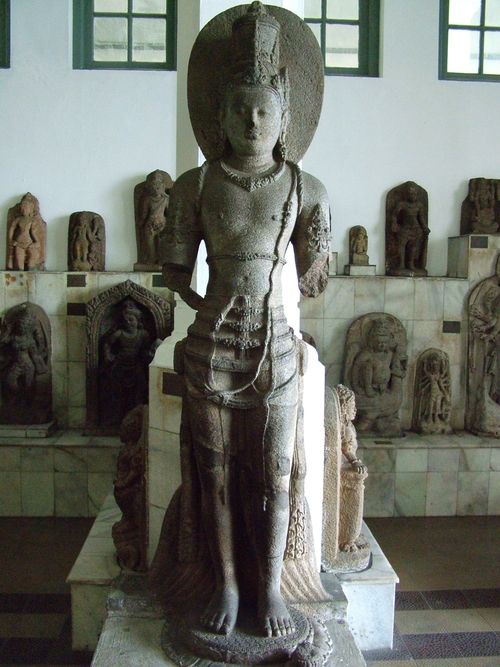
ประติมากรรมพระวิษณุ
พระวิษณุองค์นี้ถือเป็นตัวอย่างสำหรับศึกษาเครื่องแต่งกายในศิลปะชวาภาคกลางได้เป็นอย่างดี พระวิษณุทรงกิรีฏมกุฎที่ประดับด้วยตาบจำนวน 5 ตายตามแบบปาละ ทรงอุทรพันธะตามแบบอินเดียใต้ ทรงผ้านุ่งสั้นข้างยาวข้างซึ่งเป็นผ้านุ่งแบบหนึ่งในศิลปะปาละ มีเข็มขัดเพชรพลอยตามแบบปาละแต่มีผ้าคาดวงโค้งตามแบบอินเดียใต้ น่าสังเกตว่าเครื่องแต่งกายในศิลปะชวาภาคกลางนั้นมักเป็นส่วนผสมกันระหว่างศิลปะปาละและอินเดียใต้
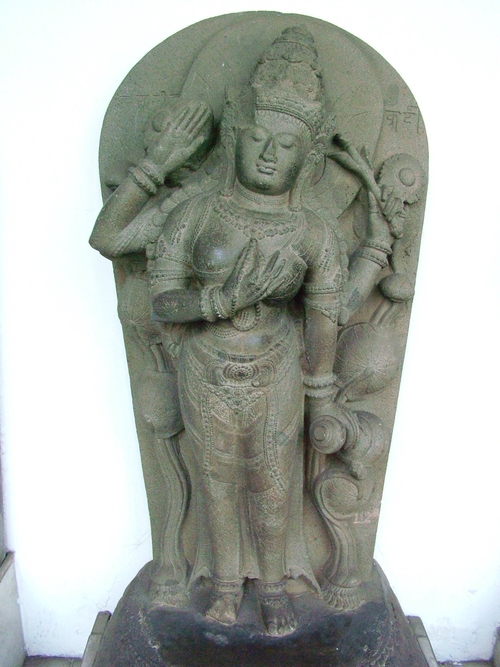
ประติมากรรมภฤกุฎี
ในระยะต้นของศิลปะชวาภาคตะวันออก ประติมากรรมยังคล้ายคลึงกับประติมากรรมในศิลปะชาภาคกลาง อย่างไรก็ตาม ที่แผ่นหลังเริ่มประดับด้วย “ใบบัว” ซึ่งถือเป็นลักษณะเฉพาะของสมัยนี้ นอกจากนี้ ประติมากรรมยังถูกตกแต่งด้วยสร้อยเพชรพลอยและอุบะไข่มุกมากขึ้น

ประติมากรรมครุฑตกเป็นทาสของนาค
จันทิกิดาล เป็นสถานที่ฝังพระอัฐิของพระเจ้าอนุษบดีแห่งราชวงศ์สิงหาส่าหรี พระเจ้าอนุษบดีสวรรคตใน พ.ศ.1791 เนื่องจากการสวรรคตกับพิธีศราทธ์ที่อุทิศเทวาลัยน้ำต้องห่างกัน 12 ปีเสมอ เทวาลัยหลังนี้จึงควรสร้างเสร็จใน พ.ศ. 1803จันทิแห่งนี้มีภาพเล่าเรื่องพญาครุฑขโมยน้ำอมฤตเพื่อมาช่วยพระมารดา น้ำอมฤตเป็นน้ำแห่งความเป็นอมตะ ด้วยเหตุนี้ จึงสัมพันธ์กับคติเทวาราชา คือช่วยให้ผู้ตายได้รับชีวิตอมตะ

ประติมากรรมครุฑกำลังนำน้ำอมฤต
จันทิกิดาล เป็นสถานที่ฝังพระอัฐิของพระเจ้าอนุษบดีแห่งราชวงศ์สิงหาส่าหรี พระเจ้าอนุษบดีสวรรคตใน พ.ศ.1791 เนื่องจากการสวรรคตกับพิธีศราทธ์ที่อุทิศเทวาลัยน้ำต้องห่างกัน 12 ปีเสมอ เทวาลัยหลังนี้จึงควรสร้างเสร็จใน พ.ศ. 1803 จันทิแห่งนี้มีภาพเล่าเรื่องพญาครุฑขโมยน้ำอมฤตเพื่อมาช่วยพระมารดา น้ำอมฤตเป็นน้ำแห่งความเป็นอมตะ ด้วยเหตุนี้ จึงสัมพันธ์กับคติเทวาราชา คือช่วยให้ผู้ตายได้รับชีวิตอมตะ
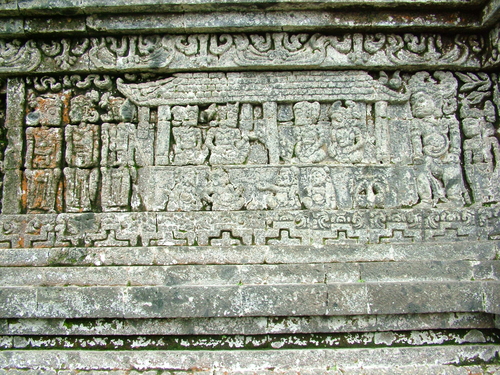
ประติมากรรมภาพเล่าเรื่อง “ปาณฑพเล่นสกากับเการพ”
ภาพเล่าเรื่องในศิลปะชวาภาคตะวันออก ประติมากรรมบุคคลค่อนข้างแบนคล้ายคลึงหนังตะลุงชวา หันข้างเพียงอย่างเดียว ไม่มีการหันหน้าตรง มีการแต่งตัวด้วยศิราภรณ์แบบพื้นเมืองแตกต่างไปจากแบบอินเดีย ที่ว่างโดยรอบถมด้วยลวดลายพันธุ์พฤกษาและลายเมฆ อาคารเองก็เป็นอาคารเครื่องไม้มุงกรเบื้องตามอย่างอาคารแบบพื้นเมือง ความเป็นพื้นเมืองทั้งหมดนี้แสดงลักษณะเฉพาะของ “ศิลปะชวาภาคตะวันออก”