ค้นหางานศิลปกรรม
ฐานข้อมูลศิลปกรรมในเอเชียตะวันออกเฉียงใต้
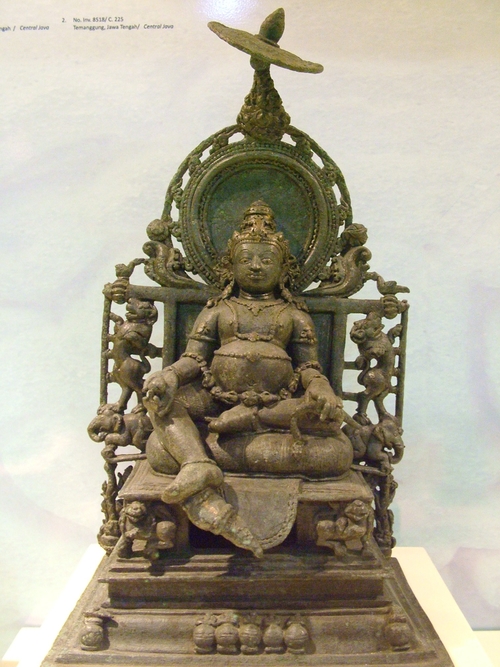

ประติมากรรมท้าวกุเวรสำริด
ประติมากรรมสำริดขนาดเล็กในศิลปะชวาภาคกลาง คงเคยเป็นประติมากรรมส่วนตัวของพระภิกษุมาก่อน ทางด้านรูปแบบแล้วมีความคล้ายคลึงกับศิลปะปาละอย่างมาก ทั้งเครื่องแต่งกาย ประติมานวิทยาและรูปแบบบัลลังก์-แผ่นหลังประติมากรรมสำริดชิ้นนี้มีรูปแบบบัลลังก์ที่คล้ายคลึงกับศิลปะปาละอย่างมาก โดยเฉพาะการประดับอามลกะและหงส์ที่คานนอก และวยาลเหยียบช้าง ประภามณฑลมีเปลวไฟและมีฉัตรประดับ ท่แท่นบัลลังก์มีผ้าทิพย์รูปวงโค้ง
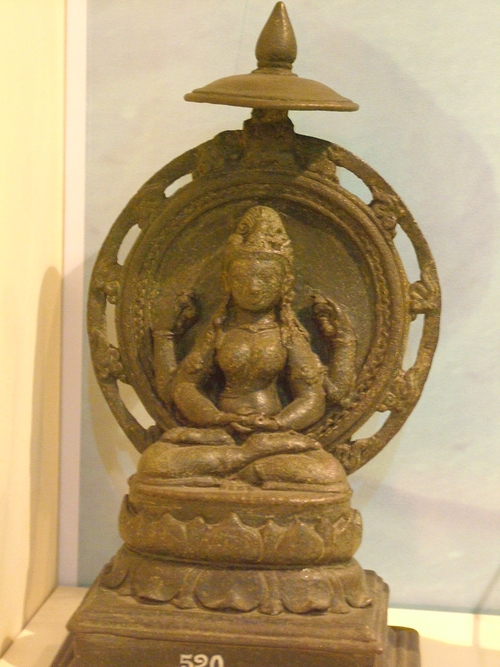
ประติมากรรมนางจุนทาสำริด
ประติมากรรมสำริดขนาดเล็กในศิลปะชวาภาคกลาง คงเคยเป็นประติมากรรมส่วนตัวของพระภิกษุมาก่อน ทางด้านรูปแบบแล้วมีความคล้ายคลึงกับศิลปะปาละอย่างมาก ทั้งเครื่องแต่งกาย ประติมานวิทยาและรูปแบบบัลลังก์-แผ่นหลังประติมากรรมสำริดชิ้นนี้มีรูปแบบคล้ายคลึงกับศิลปะปาละอย่างมาก โดยเฉพาะการมีแผ่นหลังกลมและประดับไปด้วยเปลวไฟเป็นระยะๆ ด้านบนประดับฉัตร

ประติมากรรมพระโพธิสัตว์อวโลกิเตศวรสำริด
ประติมากรรมสำริดขนาดใหญ่ในศิลปะชวาภาคกลาง น่าจะเป็นประติมากรรมสำหรับการเคารพบูชา แตกต่างไปจากประติมากรรมสำริดขนาดเล็กที่อาจเคยเป็นประติมากรรมส่วนตัวของพระภิกษุมากกว่า ประติมากรรมสำริดขนาดใหญ่ได้พบจำนวนหลายองค์ในศิลปะชวา ซึ่งคนพบเช่นกันในศิลปะศรีวิชัย เครื่องแต่งกายของประตากรรมองค์นี้คล้ายคลึงกับศิลปะปาละมาก เช่น มงกุฎสามตาบสร้อยคอคู่ที่มีสร้างคอไข่มุกและสร้อยคอเพชรพลอย เข็มขัดที่มีการห้อยอุบะขนาดใหญ่ด้านหน้าอันมีปลายเป็นรูปใบโพธิ์ เป็นต้น

ประติมากรรมพระอมิตาภะสำริด (?)
ประติมากรรมสำริดขนาดเล็กในศิลปะชวาภาคกลาง คงเคยเป็นประติมากรรมส่วนตัวของพระภิกษุมาก่อน ทางด้านรูปแบบแล้วมีความคล้ายคลึงกับศิลปะปาละอย่างมาก ทั้งเครื่องแต่งกาย ประติมานวิทยาและรูปแบบบัลลังก์-แผ่นหลัง ประติมากรรมสำริดชิ้นนี้มีรูปแบบคล้ายคลึงกับศิลปะปาละอย่างมาก โดยเฉพาะบัลลังก์ซึ่งประกอบไปด้วยคานตั้งคานนอน คานตั้งประดับด้วยวยาลยกขา ส่วนคานนอน ประดับด้วยอามลกะและมกรหันออก ที่แท่นบัลลังก์ปรากฏกลีบบัวขนาดใหญ่รองรับพระพุทธรูปซึ่งเป็นระเบียบปกติของประติมากรรมสำริดที่นาลันทาในอินเดียตะวันออก
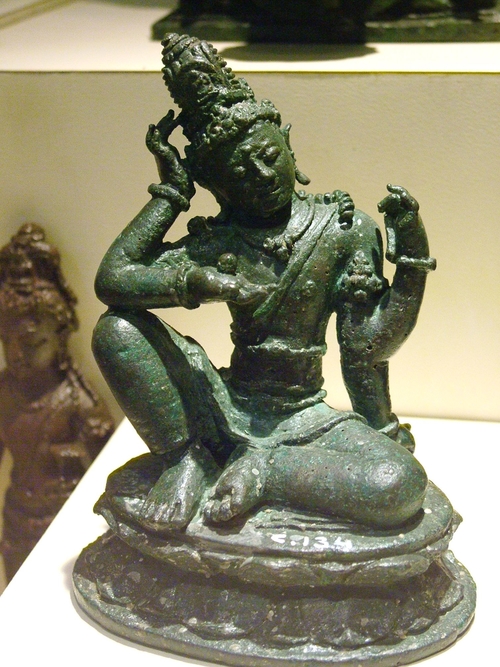
ประติมากรรมพระมหาการุณิกะสำริด
ประติมากรรมสำริดขนาดเล็กในศิลปะชวาภาคกลาง คงเคยเป็นประติมากรรมส่วนตัวของพระภิกษุมาก่อน ทางด้านรูปแบบแล้วมีความคล้ายคลึงกับศิลปะปาละอย่างมาก ทั้งเครื่องแต่งกาย ประติมานวิทยาและรูปแบบบัลลังก์-แผ่นหลัง

ประติมากรรมพระพุทธรูปประทับยืนสำริด
พระพุทธรูปองค์นี้มีความคล้ายคลึงกับศิลปะอมราวดี-ลังกาอย่างมาก ด้วยเหตุทีมีอุษณีษะต่ำ ประทับยืนแต่ห่มจีวรเฉียงมีขอบจีวรขึ้นมาพาดพระกรซ้าย พระหัตถ์ทั้งสองข้างยกข้นขนานกันในปางวิตรรกะ-กฎกมุทรา อันเป็นปางที่ได้รับความนิยมมากกับพระพุทธรูปลังกา พระพุทธรูปองค์นี้จึงสรุปได้ว่าได้รับแรงบันดาลใจจากศิลปะอินเดียใต้-ลังกาอย่างมาก อย่างไรก็ดี จีวรของพระพุทธรูปองค์นี้กลายเป็นจีวรเรียบไม่มีริ้วแบบคุปตะและวกาฏกะแล้ว

ประติมากรรมพระโพธิสัตว์อวโลกิเตศวรประทับยืนสำริด
ประติมากรรมสำริดขนาดเล็กในศิลปะชวาภาคกลาง คงเคยเป็นประติมากรรมส่วนตัวของพระภิกษุมาก่อน ทางด้านรูปแบบแล้วมีความคล้ายคลึงกับศิลปะปาละอย่างมาก ทั้งเครื่องแต่งกาย ประติมานวิทยาและรูปแบบบัลลังก์-แผ่นหลัง ประติมากรรมสำริดชิ้นนี้มีรูปแบบคล้ายคลึงกับศิลปะปาละอย่างมาก โดยเฉพาะการมีประภามณฑลประดับไปด้วยเปลวไฟเป็นระยะๆ ด้านบนประดับฉัตร อย่างไรก็ตาม สิ่งที่ดูแปลกออกไปจากศิลปะปาละก็คือ ฟู่ห้อยที่คลุมพระอังสา และโบหูกระต่ายซึ่งลักษณะหลังนี้เยวข้องกับศิลปะอินเดียใต้มากกว่า

ประติมากรรมนางตาราสำริด
ประติมากรรมสำริดขนาดเล็กในศิลปะชวาภาคกลาง คงเคยเป็นประติมากรรมส่วนตัวของพระภิกษุมาก่อน ทางด้านรูปแบบแล้วมีความคล้ายคลึงกับศิลปะปาละอย่างมาก ทั้งเครื่องแต่งกาย ประติมานวิทยาและรูปแบบบัลลังก์-แผ่นหลัง ประติมากรรมสำริดชิ้นนี้มีรูปแบบคล้ายคลึงกับศิลปะปาละอย่างมาก โดยเฉพาะการมีแผ่นหลังวงรีและประดับไปด้วยเปลวไฟเป็นระยะๆ ด้านบนประดับฉัตร