ค้นหางานศิลปกรรม
ฐานข้อมูลศิลปกรรมในเอเชียตะวันออกเฉียงใต้
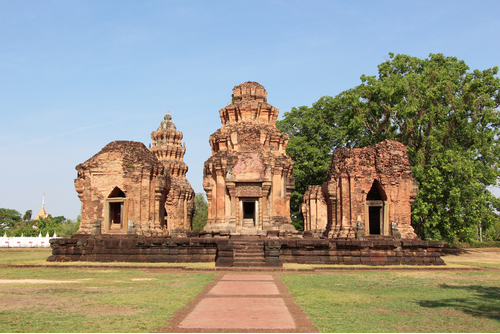

สถาปัตยกรรมปราสาทศีขรภูมิ
ประกอบด้วยปราสาทอิฐจำนวน 5 หลังตั้งอยู่บนฐานเดียวกัน ปราสาทประธานมีขนาดใหญ่ที่สุดในขณะที่อีก 4 หลังตั้งอยู่ที่มุม ทั้ง 4 ปราสาทล้อมรอบด้วยคูน้ำยกเว้นทางด้านทิศตะวันออกซึ่งเป็นทางเข้าปราสาทแห่งนี้สร้างขึ้นในพุทธศตวรษที่ 17 ซึ่งตรงกับศิลปะร่วมแบบนครวัด โดยสามารถกำหนดอายุได้จากลวดลายบนกรอบประตูและทับหลังของปราสาทประธาน อย่างไรก็ดี ปราสาทแห่งนี้ยังคงสร้างด้วยอิฐ อันแตกต่างไปจากปราสาทสมัยนครวัดในประเทศกัมพูชาที่นิยมสร้างด้วยหินทรายเสมอแผนผังของปราสาทศรีขรภูมิ มีความพิเศษที่แตกต่างไปจากปราสาทหลังอื่นๆในประเทศไทย เนื่องจากเป็นปราสาท 5 หลังที่ตั้งอยู่บนฐานไพทีเดียวกัน โดยปราสาทประธานตั้งอยู่ตรงกลางและล้อมรอบไปด้วปราสาทบริวารอีก 4 มุม ลักษระเช่นนี้แตตก่งไปจากปราสาทที่พบในประทศไทยโดยทั่วไปที่มักเป็นปราสาท 3 หลังเรียงกันอยู่บนฐานไพทีปราสาทประธานของปราสาทศีขรภูมิ รวมถึงปราสาทหลังอื่นๆ มีลักษณะเป็นปราสาทเดี่ยวที่ไม่มีการต่อเชื่อมมณฑป ส่วนที่เป็นผนังเรียบๆ มักใช้อิฐเป็นวัสดุหลัก ส่วนที่ต้องสลัก เช่น ทับหลัง เสาประดับกรอบประตูและเสากรอบประตู มักใช้หินทรายในการสลัก การปะปนกันของวัสดุสองประเภทนี้ ปรากฏมาก่อนแล้วตั้งแต่ปราสาทสระกำแพงใหญ่ซึ่งตั้งอยู่ในบริเวณใกล้เคียงกัน และถือเป็นลักษณะพื้นเมืองของปราสาทขอมในดินแดนไทยเอง เนื่องจากปราสาทสมัยนครวัดในประเทศกัมพูชาย่อมสลักด้วยหินทรายเสมอ เนื่องจากปราสาทประธานปรากฏทับหลังรูปศิวนาฏราช จึงเป็นไปได้สูงที่ปราสาทหลังนี้สร้างขึ้นในลัทธิไศวนิกาย ปราสาททั้งห้าหลังนี้จึงอาจเคยประดิษฐานศิวลึงค์อันเป็นสัญลักษณ์ของพระศิวะก็ได้ ในระยะหลัง ปราสาทแห่งนี้ถูกเปลี่ยนแปลงเป็นศาสนสถานในพุทธศาสนาเถรวาทโดยชาวลาวที่อพยพเข้ามาภายหลัง หลักฐานที่สำคัญได้แก่จารึกกรอบประตูและการซ่อมแปลงยอดของปราสาทบริวารหลังตะวันตกเฉียงใต้มีลักษณะคล้ายพระธาตุศิลปะล้านช้างในพุทธศาสนา มีการก่อยอดขึ้นไปใหม่เลียนแบบยอดปราสาทในศิลปะขอมแต่มีรูปแบบแตกต่างไปจากต้นแบบอย่างชัดเจน ส่วนกลีบขนุนก็มีการนำขึ้นไปจัดเรียงใหม่ด้วย
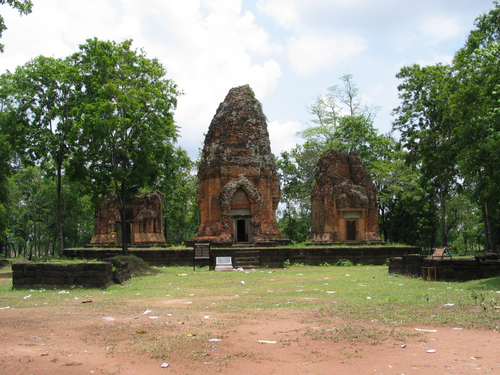
สถาปัตยกรรมปราสาทกู่สวนแตง
ปราสาทกู่สวนแตง เป็นกลุ่มปราสาท 3 หลัง บนฐานเดียวกัน ส่วนฐานก่อด้วยศิลาแลง มีบันไดทางขึ้นบริเวณหน้าปราสาทองค์กลางเพียงแห่งเดียว องค์ปราสาททั้งสามหลังนี้ก่อด้วยอิฐ หันหน้าไปทางด้านทิศตะวันออก องค์ปราสาทเรียงตัวกันในแนวเหนือใต้ ขนาดของปราสาทองค์กลางมีขนาดใหญ่กว่าปราสาทที่ตั้งอยู่ขนาบข้าง ลักษณะแผนผังของปราสาทอยู่ในผังเพิ่มมุม โดยมุมประธานมีขนาดใหญ่ที่สุด ด้านทิศตะวันออกของปราสาท มีส่วนฐานของอาคาร 2 หลัง มีผังในรูปสี่เหลี่ยม สันนิษฐานว่าน่าจะเป็นบรรณาลัยสภาพในปัจจุบัน ได้รับการบูรณปฏิสังขรณ์แล้ว โดยปราสาทที่อยู่ตรงกลางมีสภาพสมบูรณ์ที่สุด ฐานด้านล่างเป็นฐานบัวลูกฟักก่อด้วยศิลาแลง 1 ฐาน ถัดขึ้นไปจึงเป็นองค์ปราสาทที่ก่อด้วยอิฐทั้งหลัง มีมุขยื่นออกไปทางทิศตะวันออก ปัจจุบันส่วนของมุขที่ยื่นออกมาพังทลายลงแล้ว เหลือเพียงกรอบประตูที่ทำจากหินทราย ส่วนยอดยังคงมีเค้าโครงให้เห็นถึงชั้นบนสุดแต่ไม่เหลือรายละเอียดให้เห็นมากนักส่วนปราสาทขนาบข้างส่วนยอดได้พังทลายลงมาจนเกือบหมดแล้ว ปราสาทองค์ทิศเหนือมีฐานด้านล่างเป็นฐานเตี้ยๆ ก่อด้วยศิลาแลง 1 ฐาน ถัดขึ้นไปจึงเป็นองค์ปราสาทที่ก่อด้วยอิฐทั้งหลัง มีประตูทางเข้าออกด้านทิศตะวันออก ส่วนชั้นหลังคาพังทลายลงบางส่วน แต่ไม่เหลือรายละเอียดให้ศึกษามากนัก ขณะที่ส่วนยอดของปราสาทองค์ทิศใต้พังทลายลงมากกว่า ในการกำหนดอายุ หากสังเกตุจากแผนผังของปราสาทแต่ละองค์มีแผนผังแบบเพิ่มมุม ซึ่งนิยมในช่วงราวพุทธศตวรรษที่ 16 เป็นต้นมา แต่จากการพบทับหลัง และการประดับนาคปักบนส่วนยอด จึงกำหนดอายุปราสาทหลังนี้ว่าน่าจะอยู่ในช่วงราวพุทธศตวรรษที่ 17
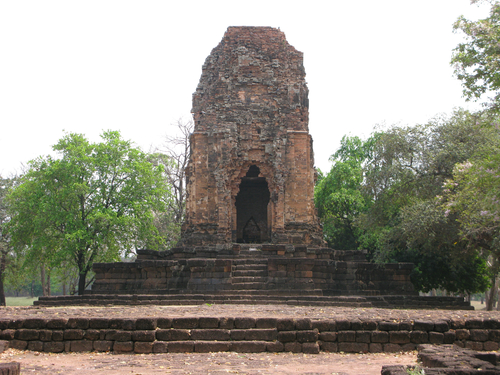
สถาปัตยกรรมปรางค์ศรีเทพ
โบราณสถานปรางค์ศรีเทพประกอบด้วยปราสาทประธาน บรรณาลัย โคปุระ กำแพง ชานชาลาหรือทางเดินรูปกากบาท สะพานนาค และอาคารรูปสี่เหลี่ยมผืนผ้าที่ทอดยาวขนานกับสะพานนาคปราสาทประธานเป็นปราสาทอิฐในผังสี่เหลี่ยมเพิ่มมุม ตั้งอยู่บนฐานบัวลูกฟักสองชั้นก่อด้วยศิลาแลง ประตูทางเข้าอยู่ทางด้านทิศตะวันออก ที่เหลืออีกสามด้านเป็นประตูหลอก ภายในของประตูหลอกทำเป็นช่องหรือซุ้มที่ประดิษฐานประติมากรรมรูปเคารพปัจจุบันตัวปราสาทไม่เหลือร่องรอยหรือชิ้นส่วนประดับสถาปัตยกรรม เดิมคงมีหลังคาเครื่องไม้คลุมที่ด้านหน้าอาคารเนื่องจากที่พื้นของฐานบัวลูกฟักชั้นล่างพบร่องรอยหลุมเสากลมขนาดใหญ่ และกระเบื้องมุงหลังคาดินเผาเป็นจำนวนมาก จากหลักฐานโบราณวัตถุที่พบในบริเวณปรางค์ศรีเทพได้แก่ เทวรูปพระอิศวร 4 กร จึงกำหนดอายุปรางค์ศรีเทพอยู่ในราวพุทธศตวรรษที่ 16-17
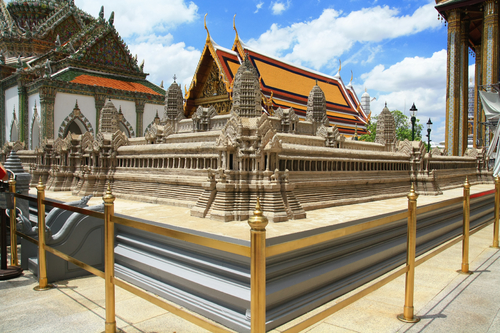
ประติมากรรมปราสาทนครวัดจำลอง
ปราสาทนครวัดจำลองอยู่ในผังสี่เหลี่ยมจัตุรัส ปราสาทประธานอยู่กึ่งกลางของแผนผังโดยมีความสูงมากที่สุด ล้อมรอบด้วยระเบียงคดที่มีความสูงลดหลั่นลงมา 3 ชั้น ระเบียงคดแต่ละชั้นประกอบด้วยเสาและหลังคาที่ทอดยาวเชื่อมต่อกัน โดยมีโคปุระหรือประตูทางเข้าที่กลางด้าน และที่มุมทั้ง 4 มีหน้าบันซ้อนชั้น อย่างไรก็ตาม เนื่องจากเป็นการจำลองแบบ ดังนั้นสัดส่วนและรายละเอียดต่างๆ จึงแตกต่างจากปราสาทนครวัดในศิลปะเขมร โดยจะพบว่าส่วนยอดของปราสาทประธานและบริวารมีลักษณะคล้ายส่วนยอดของปรางค์ในศิลปะไทย


สถาปัตยกรรมปราสาทนครวัด
ปราสาทล้อมรอบไปด้วยคูน้ำซึงกว้างด้านละ 1 กิโลเมตร ด้านหน้าปรากฏทางเดินยาวนำเข้าสู่ปราสาทซึ่งตั้งอยู่บนฐานสามชั้น แต่ละชั้นมีระเบียงคดล้อมรอบ มีโคปุระที่ด้านทุกด้านและมีปราสาทที่มุมทุกมุม ด้านบนสุดประดิษฐานปราสาทประธานจำนวนห้าหลัง ปราสาทนครวัดถือเป็นปราสาทที่นำความสำเร็จของปราสาทตาแก้วมาผสมกับความสำเร็จของปราสาทบาปวน ด้วนเหตุนี้ ปราสาทแห่งนี้จึงมีปราสาทประธานห้าหลังอยู่บนยอดเช่นเดียวกับปราสาทตาแก้ว และสามารถนำระเบียงคดขึ้นไปไว้ด้านบนฐานเป็นชั้นแต่ละชั้นได้

สถาปัตยกรรมปราสาทบันทายสำเหร่
แม้ว่าไม่ปรากฏจารึกว่าปราสาทแห่งสร้างขึ้นโดยผู้ใด แต่จากรูปแบบศิลปกรรมแล้ว ปราสาทแห่งนี้อยู่ในสมัยนครวัด ปราสาทสร้างด้วยหินทั้งหลัง และเจาะประตูทั้งสี่ทิศ ตามแบบสมัยพระนครตอนปลาย ยอดวิมานประดับด้วยกลีบขนุน เรือนธาตุมีการเพิ่มมุม ด้านหน้ามีมณฑปตามแผนผังของปราสาทบนพื้นราบ ที่มักให้ความสำคัญกับแกนหลักมากกว่าที่จะให้ความสำคัญกับความสมมาตร อนึ่ง ปราสาทแห่งนี้มีเค้าโครงด้านสถาปัตยกรรมคล้ายคลึงกับปราสาทพิมายในประเทศไทย ซึ่งสร้างขึ้นในศิลปะนครวัดเช่นเดียวกัน
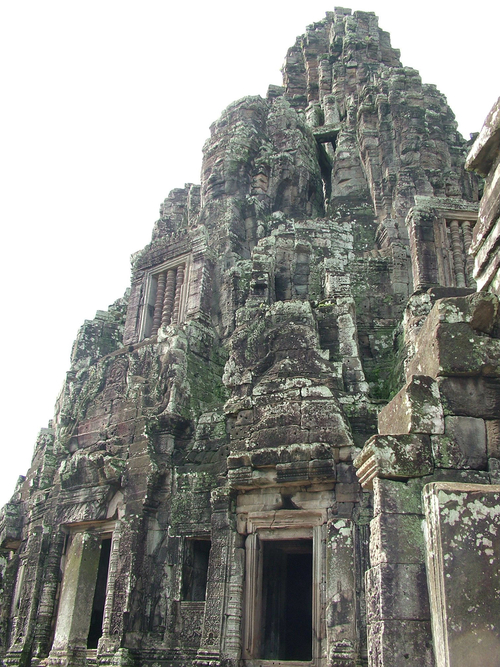
สถาปัตยกรรมปราสาทประธาน : ปราสาทบายน
ปราสาทบายน สร้างขึ้นเป็นปราสาทบนฐานเป็นชั้นหลังสุดท้ายเพื่ออุทิศให้กับพระเจ้าชัยวรมันที่ 7 เองในฐานะอวตารของพระพุทธเจ้าฝ่ายมหายาน พระองค์ทรงสร้างปราสาทที่ประกอบด้วยพระพักตร์จำนวนมากซึ่งยังเป็นที่ถกเถียงกันอยู่ว่าควรจะเป็นพระพักตร์ของทิพยบุคคลองค์ใด บางท่านเห็นว่าอาจเป็นพระพักตร์ของพระเจ้าชัยวรมันที่ 7 เอง ปราสาทมียอดจำนวนมากซึ่งทำให้ปราสาทดูซับซ้อนและลึกลับกว่าปราสาทนครวัดมาก นักวิชาการบางท่านเห็นว่าปราสาทบายนเสื่อมลงจากปราสาทนครวัดมาก เนื่องจากแผนผังไม่สมมาตรปราสาทหลังกลางอยูในผังวงกลม มีห้องต่างๆจำนวนมากซึ่งแสดงให้เห็นการวางผังปราสาทในรูปของ “มณฑล” ทางพุทธศาสนามหายาน

สถาปัตยกรรมปราสาทบันทายกุฎี
ปราสาทบันทายกุฎี เป็นปราสาทในศิลปะบายน สร้างขึ้นโดยพระเจ้าชัยวรมันที่ 7 เป็นอาคารที่ประกอบไปด้วยยอดปราสาทจำนวนมาก เชื่อต่อกันด้วยระเบียงกากบาท ซึ่งเป็นลักษณะสำคัญของปราสาทในสมัยนี้ ปราสาทอยู่ในผังคล้ายตารางซึ่งแสดงให้เห็นว่าปราสาทถูกออแบบตาม “คติมณฑล” ในพุทธศาสนามหายาน