ค้นหางานศิลปกรรม
ฐานข้อมูลศิลปกรรมในเอเชียตะวันออกเฉียงใต้
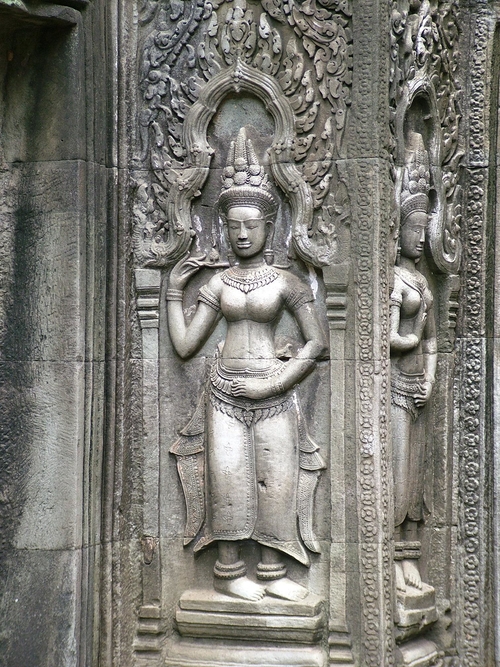

ประติมากรรมนางอัปสร
นางอัปสรที่สลักอยู่บนผนัง มีพระพักตร์สี่เหลี่ยม พระพักตร์แบบศิลปะบายน กล่าวคือ หลับพระเนตรและยิ้มที่มุมพระโอษฐ์เล็กน้อย ทรงกระบังหน้า ด้านบนมีศิราภรณ์ประดับด้วยช่อดอกไม้ 3 แถว กุณฑลเป็นพู่ห้อยขนาดใหญ่ พระหัตถ์ซ้ายยกขึ้นถือดอกไม้ ทรงผ้านุ่งยาว ด้านข้างผ้านุ่งทั้งสองด้านมีชายผ้ารูปสามเหลี่ยมคล้ายกับหางปลา ชักออกมายาวจรดพื้น ทรงเข็มขัดเป็นแผงขนาดใหญ่ประดับพู่ห้อยโดยรอบ
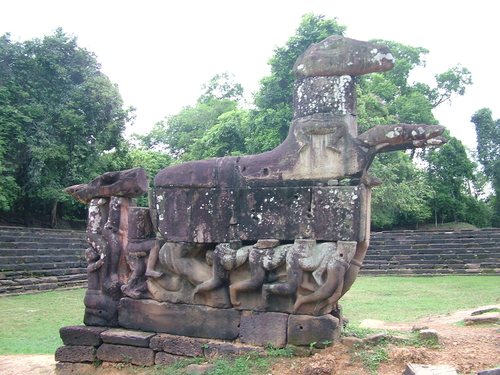
ประติมากรรมม้าพลาหะ
ม้าพลาหะ เป็นประติมากรรมรูปม้าขนาดใหญ่ หันหน้าเข้าสู่ตัวปราสาทประธาน ที่ประติมากรรมม้าพลาหะ ปรากฏการสลักประติมากรรมบุคคลโดยรอบ
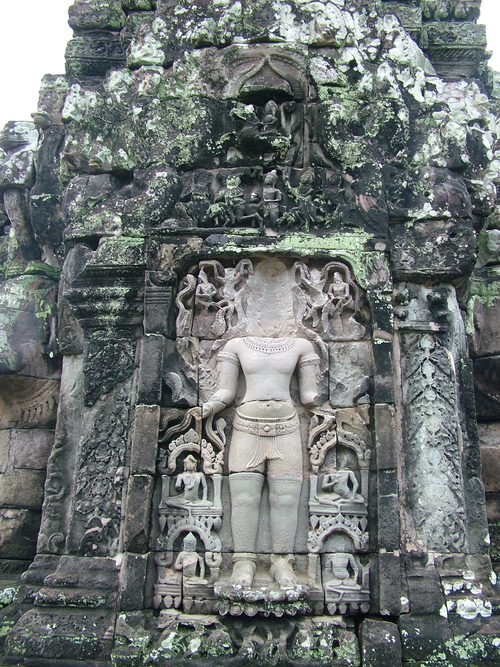
ประติมากรรมพระอวโลกิเตศวร
ประติมากรรมพระอวโลกิเตศวร พระเศียรหักหายไป เปลือยกายท่อนบน พระวรกายหนา สวมเครื่องทรง ได้แก่ กรองศอเป็นลักษณะเป็นสร้อยคอแผงมีอุบะพู่ห้อยโดยรอบ นุ่งผ้านุ่งสั้นเหมือนผ้านุ่งชั้นในอัตพลีต มีชายผ้าหางปลาตกลงมาตรงกลางชายเดียว เป็นรูปแบบของศิลปะบายน รายล้อมไปด้วยเหล่าเทวดาและพระโพธิสัตว์
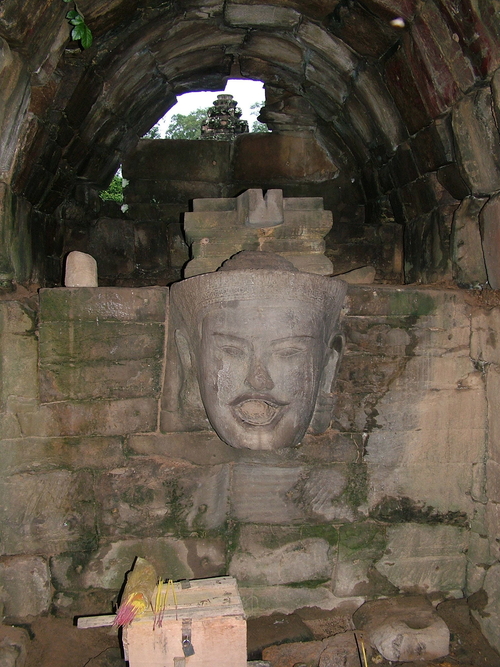
ประติมากรรมท่อน้ำ สลักรูปเศียรมนุษย์
ประติมากรรมรูปเศียรมนุษย์นั้น ปรากฏอยู่ซุ้มทางด้านทิศตะวันออกของปราสาทนาคพัน เป็นรูปเศียรบุคคล สวมกระบังหน้ายอดมงกุฏทรงกรวย อยู่ในท่าอ้าพระโอษฐ์ซึ่งเป็นส่วนของท่อน้ำ
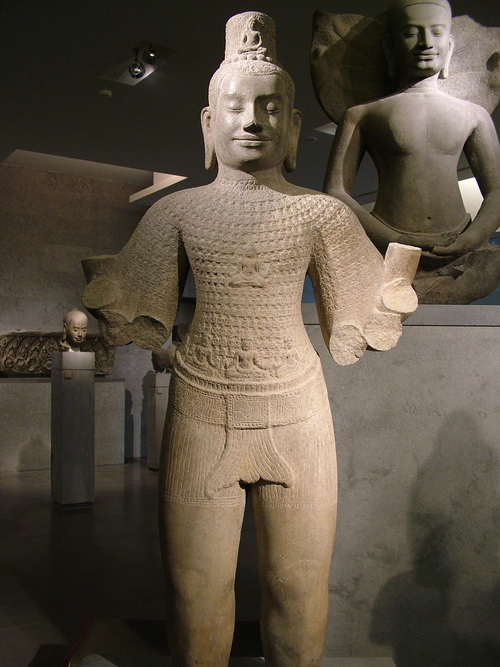
ประติมากรรมอวโลกิเตศวรเปล่งรัศมี
พระอวโลกิเตศวรทำผมทรงชฏามกุฏ สัญลักษณ์ของนักบวช ทรงมีพระอมิตาภะอยู่ที่ชฎามกุฏ พระพักตร์แบบบายน โดยหลับพระเนตรและยิ้มที่มุมพระโอษฐ์เล็กน้อย พระวรกายมีการสลักพระพุทธเจ้าทั่วทั้งวรกาย นุ่งผ้านุ่งสั้นเหมือนผ้านุ่งชั้นใน สันนิษฐานว่าอาจเคยมีการถวายผ้าทรงและเครื่องประดับจริง
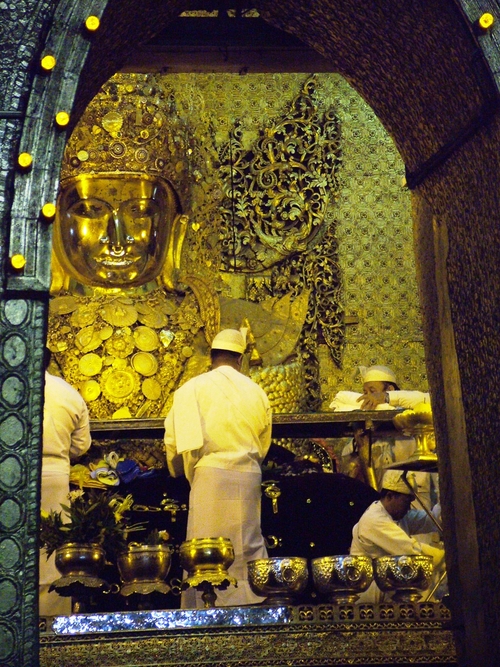

ประติมากรรมพระมหามัยมุนี
พระพุทธรูปประทับนั่งในศิลปะยะไข่ มักเปลือยพระวรกายท่อนบน นั่งขัดสมาธิราบตามแบบอินเดียใต้แต่แสดงปางมารวิชัยตามแบบอินเดียเหนือ ต่อมาพระเจ้าปดุงและกษัตริย์รุ่นหลังได้ถวายเครื่องทรงแก่พระพุทธรูปองค์นี้ โดยถวายมงกุฎแหลมสูงและสังวาลตัดเป็นกากบาท มีตาบอก อันเป็นเครื่องทรงที่ได้รับอิทธิพลจากศิลปะอยุธยา ต้องไม่ลืมว่าช่างชาวอยุธยาได้เข้าไปตั้งรกรากอยู่ที่เมือง
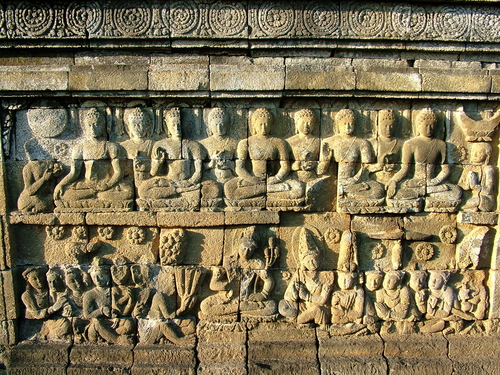

ประติมากรรมภาพเล่าเรื่องตามคัณฑวยุหสูตร
รูปแบบศิลปะของภาพสลักที่บุโรพุทโธมีความคล้ายคลึงศิลปะอินเดียเป็นอย่างมาก ทั้งรูปแบบเครื่องแต่งกายของประติมากรรม ข้าวของเครื่องใช้ ตัวละครที่กลมกลึงและมีการเว้นพื้นที่ว่างเปล่า ทั้งหมดนี้แสดงว่าศิลปะชวาภาคกลางมีความเกี่ยวข้องอย่างมากกับศิลปะอินเดีย ตำนาน/เรื่องเล่าที่เกี่ยวข้อง
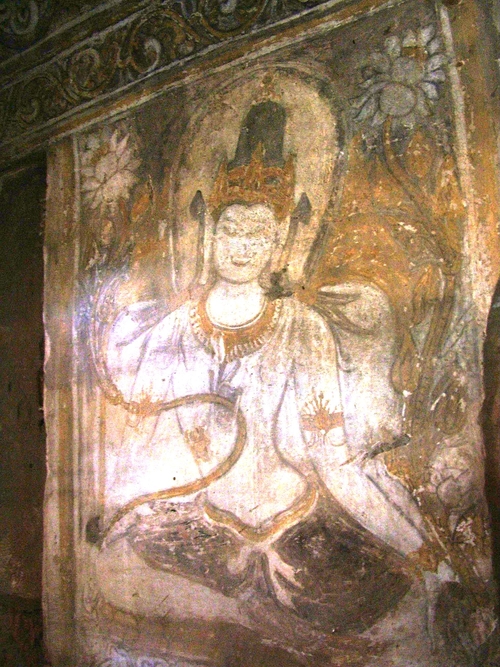
จิตรกรรมพระโพธิสัตว์ จิตรกรรมในเจดีย์อโลปเย
พระโพธิสัตว์เหล่านี้แต่งตัวคล้ายคลึงกับศิลปะปาละอย่างมาก เช่น การทรงมงกุฎที่มีกระบังหน้าสามตาบ การทรงยัชโญปวีตตวัดเป็นรูปตัว S และการนุ่งผ้านุ่งเป็นริ้ว รวมถึงการปรากฏดอกไม้สองดอกขนาบทั้งสองข้างอย่างสมมาตรย่อมแสดงให้เห็นอิทธิพลปาละตอนปลายอย่างมาก จิตรกรรมเองก็ใช้สีโทนร้อนตามอย่างปาละ ทั้งหมดนี้แสดงให้เห็นว่าจิตรกรรมดังกล่าวคงมีอายุอยู่ในสมัยพุกามตอนต้น