ค้นหางานศิลปกรรม
ฐานข้อมูลศิลปกรรมในเอเชียตะวันออกเฉียงใต้
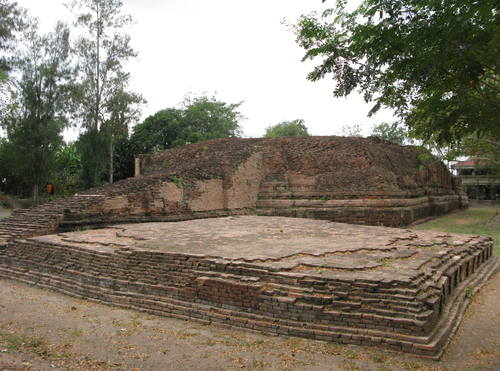

สถาปัตยกรรมเจดีย์วัดโขลงสุวรรณคีรี
เจดีย์วัดโขลงสุวรรคีรีสร้างขึ้นจากอิฐ สภาพปัจจุบันเหลือเพียงส่วนฐานและเรือนธาตุทึบตันซึ่งทำหน้าที่เสมือนเป็นฐานรับอาคารและลานประกอบพิธีกรรมที่อยู่ด้านบนแผนผังสี่เหลี่ยมผืนผ้ายกเก็จที่กลางด้านและมุม เฉพาะกลางด้านทิศตะวันออกทำบันไดทอดยาวเพื่อเป็นทางขึ้นสู่ลานชั้นบน องค์ประกอบของลวดบัวตามแนวตั้งที่สำตัญประกอบด้วยฐานหน้ากระดาน บัววลัยหรือกลศ ขื่อปลอม ถัดขึ้นไปเป็นฐานหน้ากระดานซ้อนชั้นมีท้องไม้ที่ประดับด้วยแนวเสา จากนั้นเป็นส่วนของเรือนธาตุทึบตันซึ่งประดับตกแต่งด้วยซุ้มจระนำ ลานยอดข้างบนเคยมีสิ่งก่อสร้างอื่นวางอยู่ทางตอนหลัง แต่ปัจจุบันเหลือเพียงส่วนฐานเท่านั้น บริเวณมุมทิศตะวันออกเฉียงเหนือมีเจดีย์สี่เหลี่ยมจัตุรัสตั้งอยู่ 1 องค์
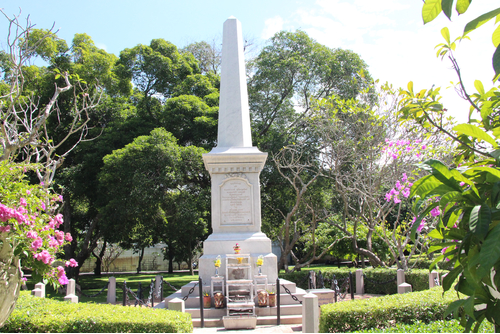
สถาปัตยกรรมอนุสาวรีย์สมเด็จพระนางเจ้าสุนันทากุมารีรัตน์ พระบรมราชเทวี
เป็นอนุสาวรีย์หินอ่อนแกะสลักจากประเทศอิตาลี ลักษณะเป็นฐานรูปทรงสี่เหลี่ยมและยอดหกเหลี่ยมทรงสูง มีรายละเอียดดังนี้ผนังด้านทิศตะวันตก ปรากฏข้อความดังนี้ที่รฦกถึงความรักแห่งสมเดจพระนางเจ้าสุนันทากุมารีรตน์พระบรมราชเทวี อรรคมเหษีอันเสดจทิวงคตแล้วซึ่งเธอเคยมาอยู่ในสวนนี้ โดยความศุขสบายแลเปนที่เบิกบานใจพร้อมด้วยผู้ซึ่งเปนที่รัก แลที่สนิทอย่างยิ่งของเธออนุสาวรี นี้สร้างขึ้นโดยจุฬาลงกรณ์ บรมราชผู้เปนสวามี อันได้รับความเศร้าโศกเพราะความทุกข์อันแรงกล้าในเวลานั้น แทบจะถึงแก่ชีวิตรถึงกระนั้นยังมิได้หักหายจุลศักราช ๑๒๔๓ผนังด้านทิศตะวันตก ปรากฏข้อความเป็นภาษาอังกฤษในความหมายเดียวกันกับด้านทิศตะวันออกผนังด้านทิศใต้ สลักเป็นตัวอักษร "ส" ภายใต้พระมงกุฎ หมายถึงอักษรพระนามาภิไธยในสมเด็จพระนางเจ้าสุนันทากุมารีรัตน์ พระบรมราชเทวีผนังด้านทิศเหนือ สลักเป็นรูปเครื่องราชอิสริยาภรณ์อันเป็นโบราณมงคลนพรัตนราชวราภรณ์
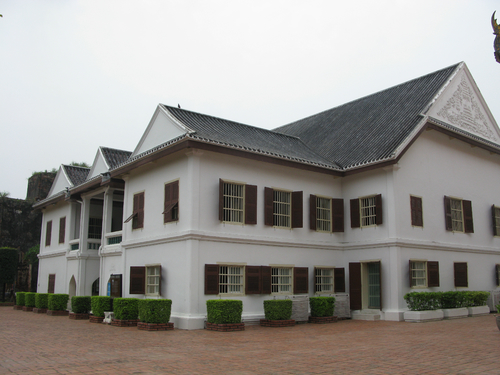
สถาปัตยกรรมหมู่พระที่นั่งพิมานมงกุฎ
หมู่พระที่นั่งพิมานมงกุฎเป็นอาคารก่ออิฐถือปูน ความสูง 2 ชั้น และ3 ชั้น มีรูปแบบผสมผสานระหว่างไทย ตะวันตก และจีน โครงสร้างหลังคารูปจั่ว มุงกระเบื้องกาบกล้วยดินเผาแบบจีน หน้าบันประดับลวดลายปูนปั้นรูปพระมหามงกุฎประดิษฐานบนพานแว่นฟ้า มีฉัตรกระหนาบ 2 ข้าง ส่วนหน้าจั่วพระที่นั่งวิสุทธิวินิจฉัยเป็นรูปพระแท่นราชบัลลังก์ภายใต้พระนพปฎลมหาเศวตฉัตร มีฉัตรกระหนาบ 2 ข้าง หมู่พระที่นั่งประกอบด้วยห้องโถงหลายห้องมีมุขที่ด้านหน้าขนาบอัฒจันทร์ซึ่งเป็นทางขึ้นอยู่ตรงกลาง อาคารด้านในเป็นอาคารขวาง เป็นท้องพระโรงซึ่งแบ่งเป็น 2 ตอน ตอนหน้าเป็นท้องพระโรงใหญ่สำหรับเสด็จออกว่าราชการ ตอนในเป็นท้องพระโรงเล็ก จากท้องพระโรงมีทางขึ้นไปสูระบียงอัฒจันทร์ชั้น 3 ซึ่งเป็นห้องบรรทม หมู่พระที่นั่งมีการใช้ซุ้มวงโค้งปลายแหลมและโค้งมนมาใช้ในการประดับอาคารซึ่งเป็นอิทธิพลศิลปะตะวันตกที่ผสมผสานกับสถาปัตยกรรมสมัยสมเด็จพระนารายณ์มหาราช ซึ่งทำให้เกิดความกลมกลืนกับสถาปัตยกรรมเดิมที่อยู่ใกล้เคียง
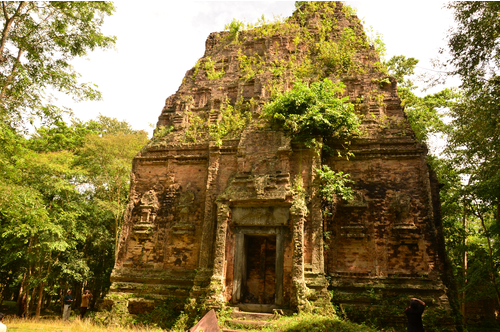

สถาปัตยกรรมปราสาทสมโบร์ไพรกุก หมู่ใต้ หลังที่ 1
ปราสาทสมัยก่อนเมืองพระนคร มักสร้างด้วยอิฐและแตกต่างด้วยการสลักอิฐเสมอ โดยไม่มีการเพิ่มมุม แต่มักประดับด้วยเสาติดผนังที่มุมและที่ด้าน ปราสาทสมโบร์ไพรกุกหลังนี้ มีการตกแต่งด้านข้างด้วยเสาติดผนังจำนวน 6 ต้น แบ่งพื้นที่เรือนธาตุออกเป็น 5 เก็จ โดยเก็จประธานประดับซุ้มประตูทรงปราสาท ส่วนเก็จข้างประดับ “วิมานลอย” ซึ่งถือเป็นลักษณะเฉพาะของสมัยก่อนเมืองพระนคร ยอด้ายบนมีลักษณะเป็นเรือนธาตุซ้อนชั้นตามอย่างวิมาน อินเดียใต้ โดยแต่ละชั้นมีการประดับปราสาทจำลองซึ่งมีบันไดเป็นระยะๆ ปราสาทจำลองเช่นนี้ถือเป็นลักษณะเฉพาะในสมัยก่อนเมืองพระนครเช่นกัน
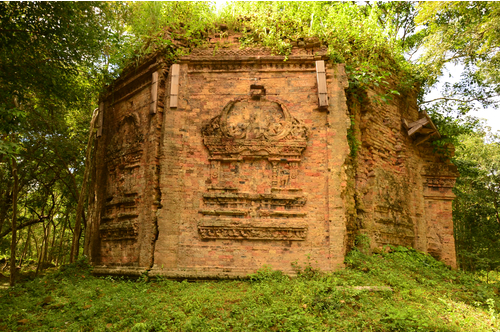
สถาปัตยกรรมปราสาทแปดเหลี่ยม : ปราสาทสมโบร์ไพรกุก
ปราสาทสมโบร์ไพรกุก มีปราสาทบางหลังที่มีแผนผังแปดเหลี่ยม ซึ่งถือเป็นลักษณะพิเศษที่ปรากฏเฉพาะสมัยก่อนเมืองพระนครเท่านั้น ปราสาทแปดเหลี่ยมเหล่านี้ ไม่มีการเพิ่มมุม แต่ใช้เสาติดผนังขนาบแต่ละมุม และกึ่งกลางปรากฏ “วิมานลอย” ซึ่งถือเป็นลักษณะสำคัญของศิลปะก่อนเมืองพระนคร ส่วนยอดของปราสาทแปดเหล่ยมเหล่านี้ มักประดับไปด้วยชุดหลังคาลาดที่ประดับไปด้วยกูฑุ อันเกี่ยวข้องกับศิลปะอินเดียเหนือ แตกต่างอย่างยิ่งไปจากยอดแบบวิมานปราสาทในผังสี่เหลี่ยมซึ่งได้รับความนิยมในระยะร่วมสมัย
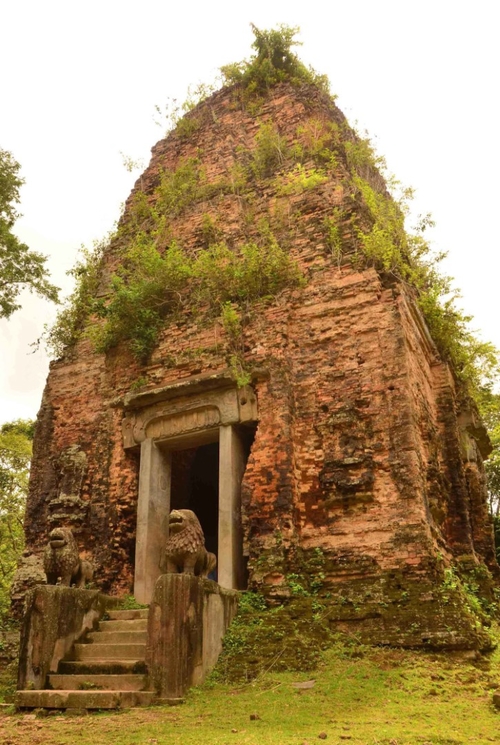
สถาปัตยกรรมปราสาทสมโบร์ไพรกุก หมู่กลาง หลังที่ 1
ปราสาทสมัยก่อนเมืองพระนคร มักสร้างด้วยอิฐและแตกต่างด้วยการสลักอิฐเสมอ โดยไม่มีการเพิ่มมุม แต่มักประดับด้วยเสาติดผนังที่มุมและที่ด้าน อนึ่ง ปราสาทหลังนี้มีลักษณะโดยรวมคล้ายคลึงกับปราสาทสมโบร์ไพรกุกหลังอื่นๆ อย่างไรก็ตาม เนื่องจากรูปแบบทั้งหลังได้เปลี่ยนไปกลายเป็นแบบไพรกเมงต่อกำพงพระแล้ว ด้วยเหตุนี้ปราสาทหลังนี้จึงควรมีอายุหลังกว่าปราสาทสมโบร์ไพรกุกในหมู่ใต้และหมู่เหนือ ด้านหน้าปราสาทมีการสลักบันไดขนาดใหญ่จากหินก้อนเดียว และมีการสลักรูปสิงห์ทวารบาล ซึ่งทำให้ปราสาทหลังนี้รู้จักกันในอีกรนามหนึ่งว่า “ปราสาทสิงห์”
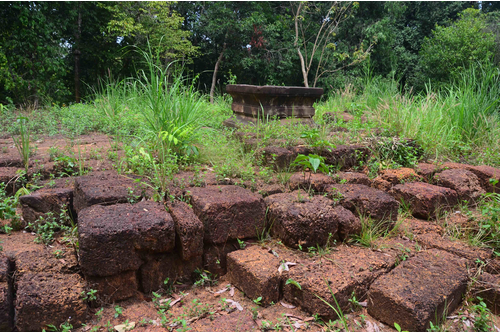
สถาปัตยกรรมพระอารามโรงเจิน
ปราสาทพระอารามโรงเจิน เป็นปราสาทที่สร้างขึ้นในรัชกาลพระเจ้าชัยวรมันที่ 2 เพื่อประดิษฐานพระเทวราช และศิวลึงค์ประจำพระองค์ ปราสาทแห่งนี้ตั้งอยู่บนฐานเป็นชั้นที่สร้างขึ้นจากศิลาแลง ด้านบนปรากฏฐานศิวลึงค์อยู่ ซึ่งอาจเคยอยู่ในปราสาทที่หักพังไปหมดแล้ว ฐานเป็นชั้นนี้คงเป็นความพยายามในการจำลองเขาไกรลาส ที่ประทับของพระศิวะ และต่อมาจกลายเป็นประเพณีในสมัยเมืองพระนครที่ปราสาทที่ประดิษฐานพระเทวราชและศึวลึงค์ประจำพระองค์กษัตริย์ต้องเป็นปราสาทบนฐานเป็นชั้นเสมอ
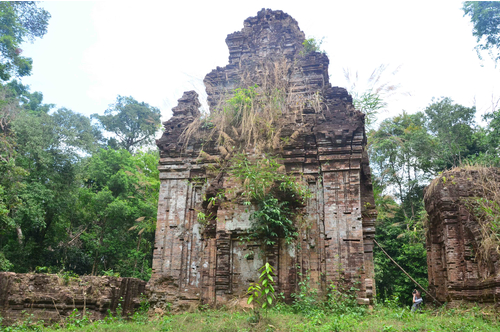
สถาปัตยกรรมปราสาทดำไรกราบ
ปราสาทจามสมัยหัวล่าย ประกอบด้วยเสาติดผนังจำนวน 4 ต้นเสมอ กึ่งกลางเสาประดับด้วย “แถบลาย” ขนาดใหญ่เช่นเดียวกับปราสาทหัวล่ายในเวียดนาม นอกจากนี้ที่บัวหัวเสายังปรากฏเค้าโครงของครุฑแบกซึ่งคล้ายคลึงกับส่วนเดียวกันของปราสาทหัวล่ายด้วย อย่างไรก็ตาม ปราสาทแห่งนี้กลับสลักไม่เสร็จ จึงยังไม่ปรากฏลวดลายใดๆบรรจุอยู่ในแถบลายกึ่งกลางเสา