ค้นหางานศิลปกรรม
ฐานข้อมูลศิลปกรรมในเอเชียตะวันออกเฉียงใต้
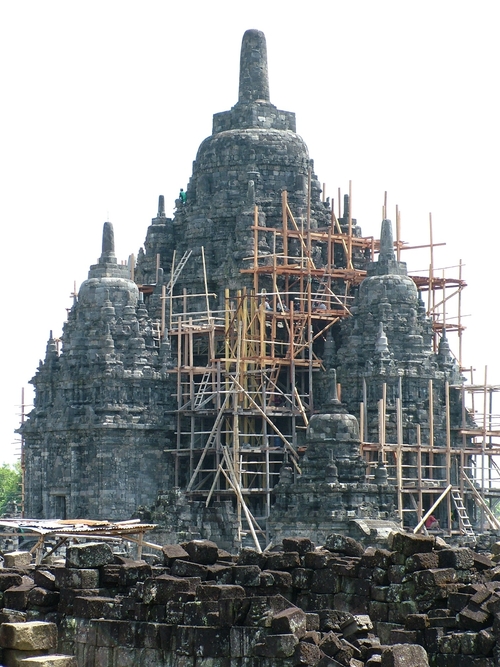

สถาปัตยกรรมจันทิเซวู
จันทิหลังประธานของจันทิเซวูมีแผนผังกากบาทเช่นเดียวกับจันทิกะลาสันและจันทิปรัมบะนัน กล่าวคือ มีห้องครรภคฤหะตรงกลางและล้อมรอบไปด้วยมุขสี่ทิศ รวมกันเป็นห้าห้อง ซึ่งคงเป็นอิทธิพลจากผังกากบาทของปหรรปุระในศิลปะปาละตอนต้น แผนผังแบบนี้เข้ามาและได้รับความนิยมเฉพาะศิลปะชวาภาคกลางตอนปลายจันทิในผังห้าห้องนี้คงสร้างขึ้นเพื่อประดิษฐานพระธยานิพุทธเจ้าตามทิศ อนึ่ง มีรายงานว่าได้ค้นพบขมวดพระเกศาขนาดใหญ่ซึ่งอาจเคยเป็นของพระพุทธรูปที่ประดิษฐานในจันทิเซวูก็ได้ ด้านบนยอดปรากฏสถูปขนาดใหญ่ล้อมรอบด้วยสถูปขนาดเล็ก ซึ่งถือเป็นลักษณะเฉพาะของอาคารในศิลปะชวาภาคกลางตอนปลาย
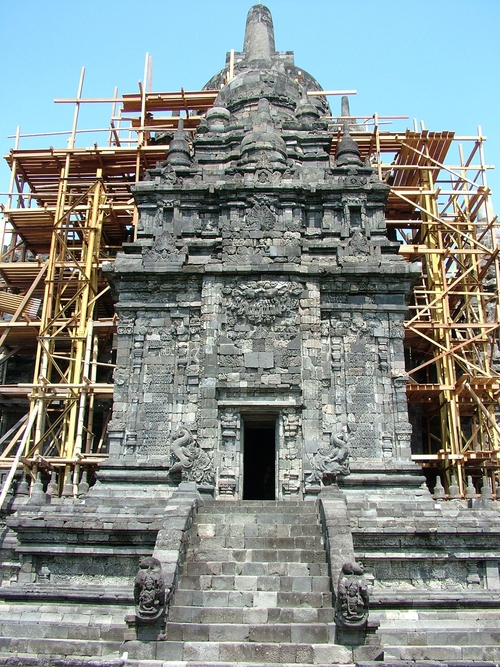
สถาปัตยกรรมเรือนธาตุของอาคารประธาน: จันทิเซวู
จันทิหลังประธานของจันทิเซวูมีแผนผังกากบาทเช่นเดียวกับจันทิกะลาสันและจันทิปรัมบะนัน กล่าวคือ มีห้องครรภคฤหะตรงกลางและล้อมรอบไปด้วยมุขสี่ทิศ รวมกันเป็นห้าห้อง ซึ่งคงเป็นอิทธิพลจากผังกากบาทของปหรรปุระในศิลปะปาละตอนต้น เรือนธาตุของจันทิประธาน ประกอบด้วยเก็จจำนวนสามเก็จ คือเก็จประธานและเก็จมุม เก็จประธานเป็นซุ้มกาล-มกรขนาดใหญ่ โดยมีหน้ากาลอยู่ด้านบนและมีมกรหันออกอยู่ด้านล่าง ทั้งหมดเป็นกรอบครอบซุ้มประตูรูปกูฑุ ส่วนเก็จมุมขนาบปรากฏ “ซุ้มจระนำและเสา” ซึ่งเป็นระเบียบเดียวกับซุ้มพระโพธิสัตว์ที่เก็จมุมของจันทิเมนดุต จันทิปะวนและจันทิกะลาสัน อย่างไรก็ตาม ซุ้มจระนำที่นี่กลับบรรจุแถบลวดลายพวงอุบะจนเต็ม
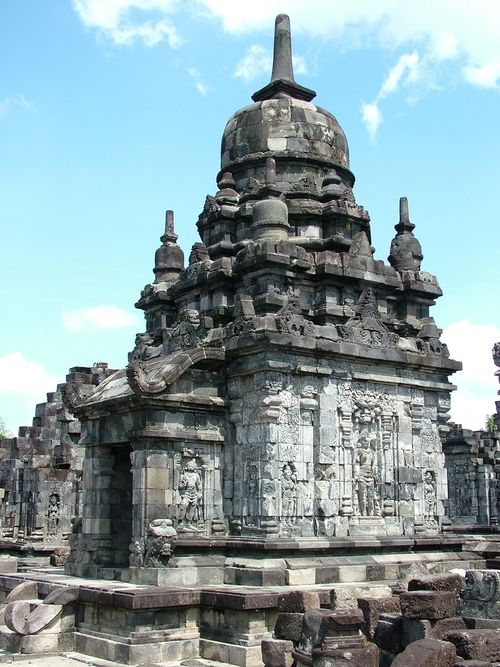
สถาปัตยกรรมจันทิหลังบริวาร: จันทิเซวู
แผนผังรวมของจันทิเซวูประกอบด้วยจันทิประธานตรงกลางซึ่งล้อมรอบด้วยจันทิบริวารจำนวนมาก แผนผังจันทิเซวูอยู่จึงในระบบ “มณฑล” หรือการจำลองจักรวาลที่เต็มไปด้วยที่ประทับของพระพุทธเจ้า พระโพธิสัตว์และเทพเจ้าในตำแหน่งต่างๆ อนึ่ง ชื่อจันทิเซวู ซึ่งแปลว่าจันทิพันหลัง ซึ่งคงได้มาจากจันทิบริวารจำนวนมากนั่นเอง แม้ว่าแท้จริงแล้วจะมีเพียง 240 หลังก็ตามจันทิบริวารเหล่านี้ คงมีต้นเค้ามาจากห้องกุฏิจำนวนมากที่วงเป็นรูปสี่เหลี่ยมที่ล้อมรอบอาคารประธานที่ปหรรปุระในศิลปะปาละ แต่จันทิเซวูกลับออกแบบให้จันทิแต่ละหลังตั้งอยู่แยกออกจากกันเป็นอิสระ ยอดของจันทิบริวารเหล่านี้ประกอบด้วยอาคารจำลองยอดสถูปิกะ ถัดขึ้นไปเป็นฐานบัวยกเก็จเพื่อรองรับสถูปยอดที่มีสถูปิกะบริวารประดับอยู่สี่หรือแปดทิศ อนึ่ง ความซับซ้อนเช่นนี้ถือว่าเป็นลักษณะเฉพาะในศิลปะชวาภาคกลางตอนปลาย
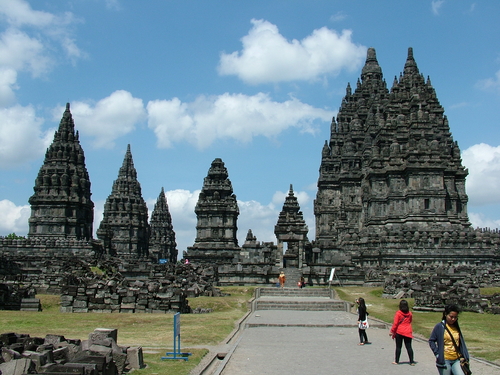
สถาปัตยกรรมจันทิปรัมบะนัน
เทวาลัยประกอบด้วยจันทิขนาดเล็กจำนวน 224 หลัง โดยล้อมรอบกลุ่มเทวาลัยประธาน ซึ่งอาจเทียบได้กับจันทิเซวูว่าซึ่งเป็นจันทิในพุทธศาสนาที่มีแผนผังแบบมณฑล เทวาลัยประธานนั้น ประกอบด้วยเทวาลัยจำนวน 8 โดย เทวาลัยประธานจำนวนสามหลังสร้างอุทิศให้กับตรีมูรติ อันได้แก่ เทวาลัยหลังกลางอุทิศให้กับพระศิวะ เทวาลัยหลังทิศเหนืออุทิศให้กับพระวิษณุและเทวาลัยหลังทิศใต้อุทิศให้กับพระพรหมส่วนเทวาลัยด้านหน้าอีกสามหลังนั้นเป็นเทวาลัยที่สำหรับพาหนะของเทพเจ้าทั้งสาม อันได้แก่โคนนทิ ครุฑและหงส์ ตามลำดับ นอกจากนี้ยังมีเทวาลัยอีกสองหลังเล็กขนาบทั้งสองด้าน เทวาลัยหลังเล็กนี้คงสร้างขึ้นเพื่ออุทิศให้กับพระสูรยะและพระจันทร์

สถาปัตยกรรมเทวาลัยพระศิวะ: จันทิปรัมบะนัน
เทวาลัยพระศิวะ ถือว่าเป็นเทวาลัยที่มีขนาดใหญ่ที่สุด มีแผนผังกากบาทและมีห้องเล็กๆจำนวนห้าห้อง ซึ่งแสดงให้เห็นแผนผังที่สืบมาจากเทวาลัยในพุทธศาสนามหายานที่สร้างขึ้นในระยะร่วมสมัย อย่างไรก็ตาม เทวาลัยแห่งนี้อุทิศให้กับเทพเจ้าในศาสนาอินดูทั้งหมด อันได้แก่ห้องกลางนั้นอุทิศให้กับพระศิวะ ด้านทิศใต้อุทิศให้กับพระอคัสตยะ ด้านตะวันตกอุทิศให้กับพระคเณศ และด้านทิศเหนืออุทิศให้กับนางมหิษาสูรมรรทนี ตัวอาคารประกอบด้วยฐานประดับรูปเทพประจำทิศ เรือนธาตุแบ่งออกเป็นสองชั้นซึ่งแสดงให้เห็นพัฒนาการที่แตกต่างไปจากจันทิหลังอื่นๆในระยะก่อนหน้า เรือนธาตุในแต่ละด้านประดับด้วยซุ้มจระนำยอดปราสาทที่เหมือนกันทั้งหมด สำหรับยอดปราสาทนั้น เนื่องจากเทวาลัยดังกล่าวมีแผนผังกากบาทตั้งแต่ฐานยันยอดวิมาน ซึ่งทำให้เรือนธาตุจำลองทุกชั้นมีแผนผังกากบาทเช่นเดียวกับเรือนธาตุ แผนผังดังกล่าวทำให้ยอดปราสาทของจันทิหลังนี้มีความซับซ้อนกว่าจันทิในศิลปะชวาระยะก่อนหน้าอาคารจำลองที่ประดับชั้นวิมานยังคงมีลักษณะเป็น “อาคารจำลองยอดสถูปิกะ” ดังที่ปรากฏมาก่อนแล้วในศิลปะชวาภาคกลางตอนปลาย อย่างไรก็ตาม สถูปิกะยอดอาคารจำลองเหล่านี้กลับมีริ้วกลีบมะเฟืองอันคล้ายคลึงกับอมลกะในศิลปะอินเดียเหนือเป็นอย่างยิ่ง
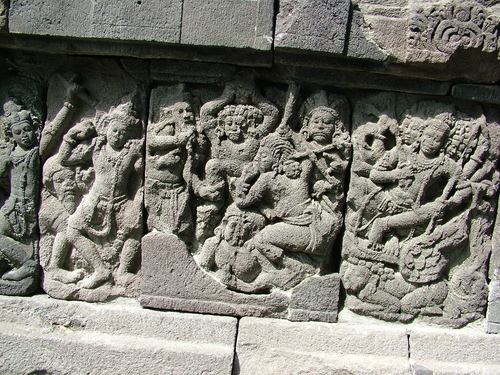
ประติมากรรมภาพเล่าเรื่องรามายณะที่จันทิปรัมบะนัน
รูปแบบภาพล่าเรื่องที่จันทิปรัมบะนันมีพัฒนาการแล้วจากภาพเล่าเรื่องที่บุโรพุทโธ กล่าวคือ นิยมการถมพื้นที่ว่างจนเต็มไปด้วยลวดลายธรรมชาติ เช่น ภาพภูเขาและต้นไม้ ซึ่งแนวโน้มเช่นนี้เรียกโดยศาสตราจารย์หม่อมเจ้าสุภัทรดิศว่า “การรังเกียจพื้นที่ว่างเปล่า” ซึ่งแสดงแนวโน้มที่ใกล้เคียงกับศิลปะชวาภาคตะวันออกเข้าไปทุกที แม้ว่าลักษณะบางประการจะใกล้เคียงกับศิลปะชวาภาคตะวันออก แต่ภาพบุคคลยังคงกลมกลึงมีปริมาตร และหลายครั้งยังคงหันหน้าตรงตามแบบภาพเล่าเรื่องในศิลปะอินเดีย
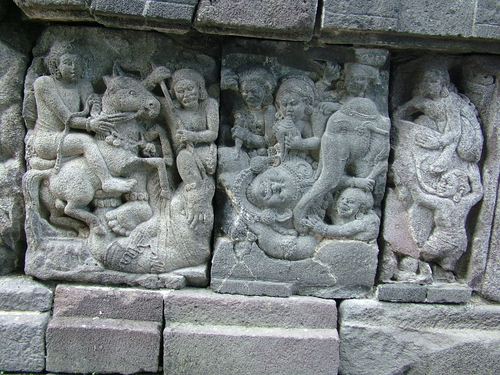
ประติมากรรมภาพเล่าเรื่องรามายณะที่จันทิปรัมบะนัน
รูปแบบภาพล่าเรื่องที่จันทิปรัมบะนันมีพัฒนาการแล้วจากภาพเล่าเรื่องที่บุโรพุทโธ กล่าวคือ นิยมการถมพื้นที่ว่างจนเต็มไปด้วยลวดลายธรรมชาติ เช่น ภาพภูเขาและต้นไม้ ซึ่งแนวโน้มเช่นนี้เรียกโดยศาสตราจารย์หม่อมเจ้าสุภัทรดิศว่า “การรังเกียจพื้นที่ว่างเปล่า” ซึ่งแสดงแนวโน้มที่ใกล้เคียงกับศิลปะชวาภาคตะวันออกเข้าไปทุกที แม้ว่าลักษณะบางประการจะใกล้เคียงกับศิลปะชวาภาคตะวันออก แต่ภาพบุคคลยังคงกลมกลึงมีปริมาตร และหลายครั้งยังคงหันหน้าตรงตามแบบภาพเล่าเรื่องในศิลปะอินเดีย