ค้นหางานศิลปกรรม
ฐานข้อมูลศิลปกรรมในเอเชียตะวันออกเฉียงใต้


จิตรกรรมพระพุทธเจ้าและฤาษีประทับในถ้ำ จิตรกรรมในเจดีย์อเพยทนะ
เจดีย์อเพยทนะ สร้างขึ้นโดยพระนางอภัยรัตนา พระมเหสีในพระเจ้าจันสิตถาในพุทธศตวรรษที่ 17 ภายในปรากฏจิตรกรรมซึ่งคล้ายคลึงกับศิลปะปาละอย่างมากและมีแนวโน้มไปทางพุทธศาสนามหายาน
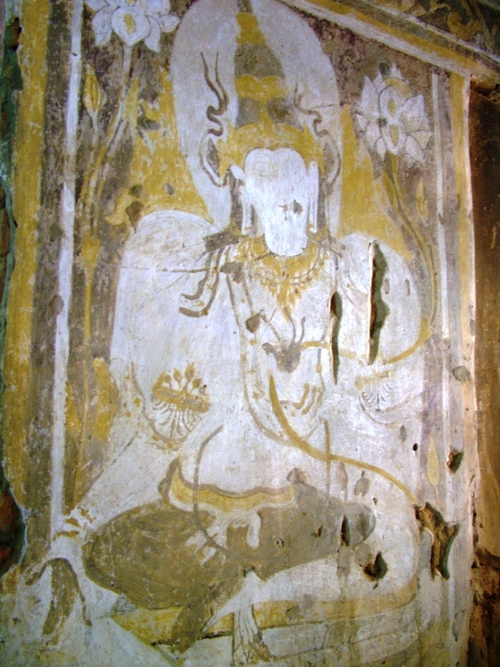
จิตรกรรมพระโพธิสัตว์ จิตรกรรมในเจดีย์อโลปเย
พระโพธิสัตว์เหล่านี้แต่งตัวคล้ายคลึงกับศิลปะปาละอย่างมาก เช่น การทรงมงกุฎที่มีกระบังหน้าสามตาบ การทรงยัชโญปวีตตวัดเป็นรูปตัว S และการนุ่งผ้านุ่งเป็นริ้ว รวมถึงการปรากฏดอกไม้สองดอกขนาบทั้งสองข้างอย่างสมมาตร ย่อมแสดงให้เห็นอิทธิพลปาละตอนปลายอย่างมาก จิตรกรรมเองก็ใช้สีโทนร้อนตามอย่างปาละ ทั้งหมดนี้แสดงให้เห็นว่าจิตรกรรมดังกล่าวคงมีอายุอยู่ในสมัยพุกามตอนต้น

จิตรกรรมพระโพธิสัตว์เจดีย์ปยาตองสู
พระโพธิสัตว์ที่เจดีย์ปยาตองสู ทรงเครื่องทรงที่คล้ายคลึงกับศิลปะปาละอย่างมาก เช่น มงกุฎสามตาบ ผ้านุ่งที่เป็นริ้ว เป็นต้น อย่างไรก็ตาม พระโพธิสัตว์แสดงอาการจีบนิ้วและถือ “ช่อกนก” อันแตกต่างไปจากพระโพธิสัตว์ในศิลปะพุกามตอนต้นที่ยังคงถือดอกไม้จามแบบศิลปะปาละ


ประติมากรรมเศียรของพระโพธิสัตว์อวโลกิเตศวร
พระเศียรของพระโพธิสัตว์องค์นี้ ทรงชฎามงกุฎตามแบบนักบวช มีกระบังหน้าประดับตาบสามเหลี่ยมสามจุดตามแบบศิลปะปาละ-ชวา พระพักตร์มีความเป็นอินเดีย-ชวาสูง คือพระเนตรเรียวเล็กเหลือบต่ำ พระโอษฐ์บาง ไม่มีพระมัสสุ ทั้งหมดนี้แสดงให้เห็นอิทธิพลของศิลปะชวาที่เข้ามาอย่างมากในระยะนี้
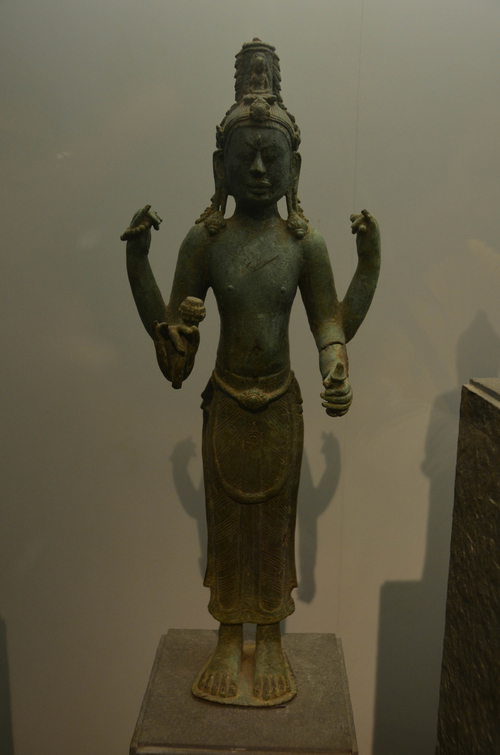
ประติมากรรมพระโพธิสัตว์อวโลกิเตศวรสี่กร
พระโพธิสัตว์องค์นี้แสดงให้เห็นอิทธิพลของศิลปะชวาที่เข้ามาอย่างมากในระยะนี้ กล่าวคือทรงกระบังหน้าประดับตาบสามเหลี่ยมสามจุดตามแบบศิลปะปาละ-ชวา นุ่งผ้าโธตียาวที่มีผ้าคาดวงโค้งกว้างตามแบบศิลปะอินเดียใต้-ชวาภาคกลาง อยย่างไรก็ตาม พระพักตร์ของประติมากรรมองค์นี้เริ่มมีพระโอษฐ์หนาและพระเนตรโปนตามแบบพื้นเมืองแล้วยัชโญปวีตในระยะนี้ก็หายไปซึ่งแตกต่างไปจากศิลปะชวา
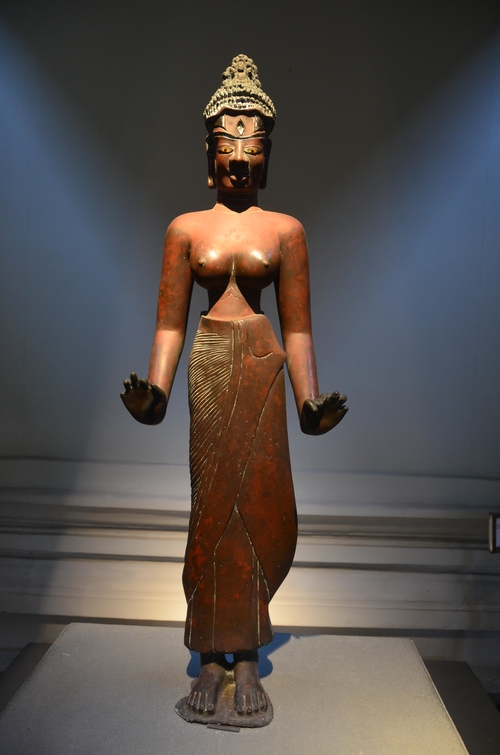
ประติมากรรมนางปรัชญาปารมิตาจากปราสาทดงเดือง
เป็นประติมากรรมที่แสดงความเป็นพื้นเมืองดงเดืองอย่างมาก กล่าวคือ มีพระเกศาหยิก พระขนงตอเป็นปีกกา พระเนตรโปน พระโอษฐ์หนา พระนาสิกใหญ่ นุ่งผ้าสองชั้น คือผ้าหน้านางผืนในแล้วใช้ผ้าคลุมด้านนอกอีกชั้นหนึ่ง ผ้านุ่งหน้านางนี้ถือเป็นลักษณะที่นิยมอย่างมากในศิลปะดงเดือง


ประติมากรรมนางตาราสำริด
ประติมากรรมสำริดขนาดเล็กในศิลปะชวาภาคกลาง คงเคยเป็นประติมากรรมส่วนตัวของพระภิกษุมาก่อน ทางด้านรูปแบบแล้วมีความคล้ายคลึงกับศิลปะปาละอย่างมาก ทั้งเครื่องแต่งกาย ประติมานวิทยาและรูปแบบบัลลังก์-แผ่นหลัง ประติมากรรมสำริดชิ้นนี้มีรูปแบบคล้ายคลึงกับศิลปะปาละอย่างมาก โดยเฉพาะการมีแผ่นหลังวงรีและประดับไปด้วยเปลวไฟเป็นระยะๆ ด้านบนประดับฉัตร
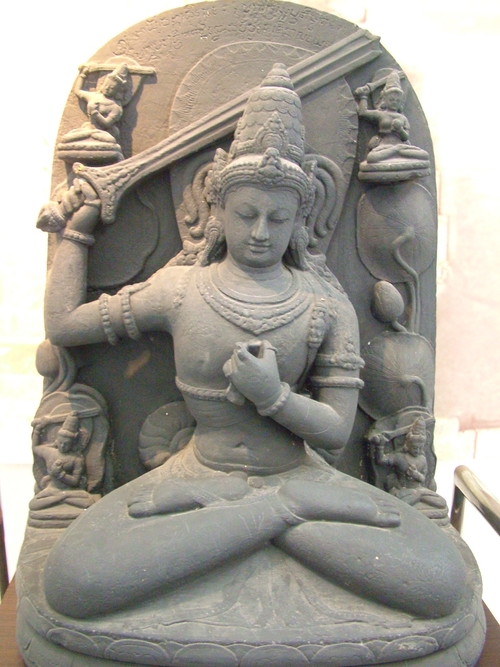
ประติมากรรมพระมัญชุศรี
ลักษณะสำคัญของประติมากรรมชวาภาคตะวันออก คือ ที่แผ่นหลังประดับด้วย “ใบบัว”จำนวนมาก ซึ่งถือเป็นลักษณะเฉพาะของสมัยนี้ สำหรับประติมากรรมชิ้นนี้ยังมีเครื่องประดับน้อยเมื่อเทียบกับประติมากรรมในสมัยชวาภาคตะวันออกชิ้นอื่นๆ จึงดูมีความใกล้เคียงกับศิลปะชวาภาคกลางมากและอาจเป็นไปได้ที่จะมีอายุในระยะหัวเลี้ยวหัวต่อ