ค้นหางานศิลปกรรม
ฐานข้อมูลศิลปกรรมในเอเชียตะวันออกเฉียงใต้
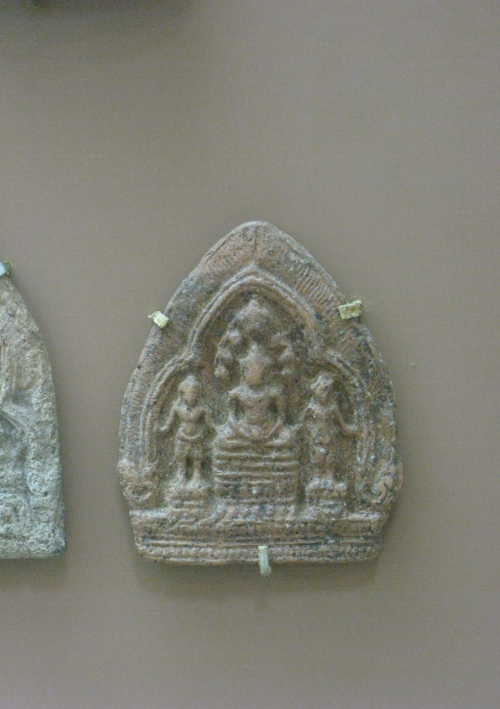

ประติมากรรมพระพิมพ์ดินเผา
พระพิมพ์ทรงคล้ายสามเหลี่ยม ตรงกลางเป็นพระพุทธรูปนาคปรก เบื้องขวาของพระองค์เป็นบุรุษเชื่อว่าเป็นพระโพธิสัตว์อวโลกิเตศวร เบื้องขวาของพระองค์เป็นสตรีเชื่อว่าเป็นพระนางปรัชญาปารมิตา มีกรอบคดโค้งทำนองเรือนแก้วล้อมรอบประติมากรรมทั้งสาม เบื้องล่างรองรับด้วยเป็นฐานบัว
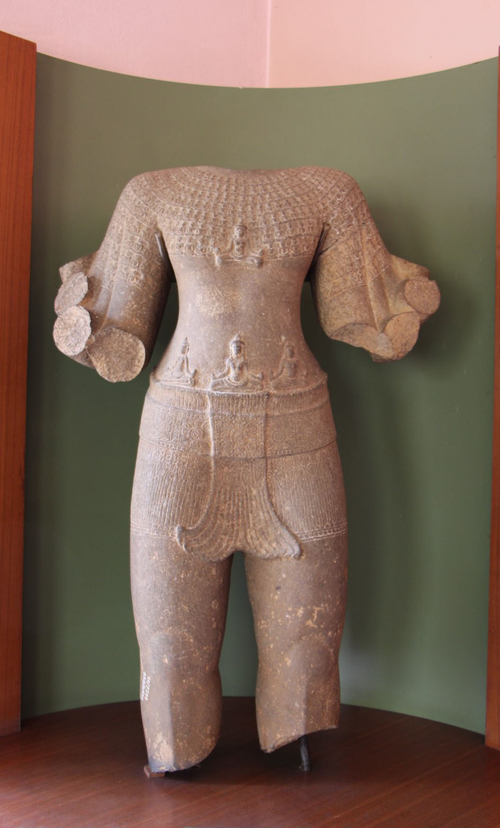
ประติมากรรมพระโพธิสัตว์อวโลกิเตศวรเปล่งรัศมี
พระโพธิสัตว์อวโลกิเตศวรเปล่งรัศมีอยู่ในอิริยาบถยืนตรง พระเศียร พระกร และระชงฆ์ตลอดจนพระบาทชำรุดหักหายไปหมดแล้ว บริเวณพระอุระตลอดจนพระอังสา (ไหล่) และพระพาหา (ต้นแขน) ประดับด้วยแถวพระพุทธรูปจำนวนมากมายราวกับเป็นเกราะ กึ่งกลางพระอุระและบั้นพระองค์ปรากฏรูปบุคคลขนาดใหญ่อาจหมายถึงนางปรัชญาปารมิตา สวมสมพตสั้นที่สลักลวดลายอย่างคร่าวๆ ช่วงล่างของพระองค์ตั้งแต่พระอูรุ (ต้นขา) ใหญ่ผิดสัดส่วนตามแบบประติมากรรมในศิลปะบายน
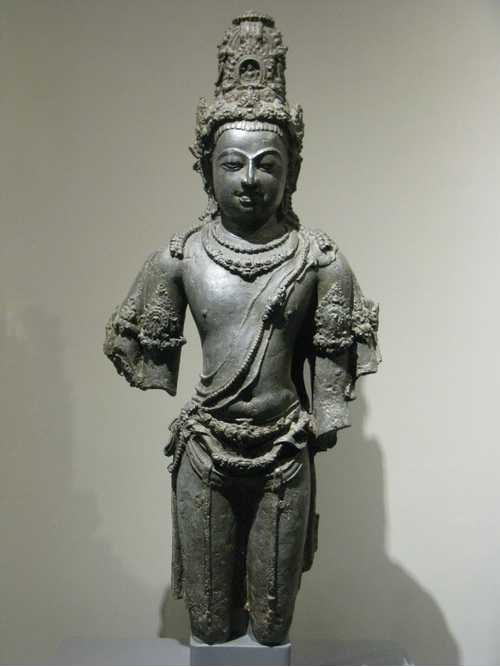
ประติมากรรมพระโพธิสัตว์อวโลกิเตศวร
พระโพธิสัตว์องค์นี้อยู่ในอิริยาบถยืนตรง มีแปดกรแต่ทุกพระกรเหลือเพียงช่วงบนเท่านั้น พระวรกายช่วงล่างตั้งแต่พระชานุลงไปหักหายหมดแล้วเช่นกันพระพักตร์อวบอิ่ม เครื่องประกอบพระพักตร์งามสมส่วน เปลือกพระเนตรปิดลงครึ่งหนึ่ง สวมมงกุฎที่ประดับด้วยกลุ่มเพชรพลอยทรงสามเหลี่ยม มวยพระเกศาทรงกระบอก มีรูปพระพุทธเจ้าอมิตาภะที่อยู่ภายในกรอบวงกลมประดับอยู่กึ่งกลางมวยพระเกศา ปลายพระเกศาเป็นลอนสยายปะพระอังสา สวมเครื่องประดับจำนวนมาก ได้แก่ ยัชโญปวีตที่ทำจากผ้า ยัชโญปวีตนี้ซ้อนทับโดยสังวาลไข่มุกประดับเพชรพลอยอีกชั้นหนึ่ง กรองศอมี 2 เส้น เส้นบนเป็นดั่งเม็ดไข่มุก เส้นล่างเป็นดั่งเครื่องประดับลายเพชรพลอย มีพาหุรัดประดับลายเพชรพลอย ในภาพรวมพระโพธิสัตว์องค์นี้แสดงความเกี่ยวข้องกับศิลปะอินเดียแบบปาละและศิลปะชวาภาคกลางของอินโดนีเซีย อย่างไรก็ตาม งานวิจัยของ รองศาสตราจารย์ ดร.เชษฐ์ ติงสัญชลี ชี้ให้เห็นว่ามีความสัมพันธ์กับศิลปะชวาภาคกลางมากกว่า นอกจากนี้ยังมีสิ่งที่ไม่ปรากฏทั้งในศิลปะปาละและศิลปะชวาภาคกลาง ซึ่งอาจหมายความว่าหล่อขึ้นในภาคใต้ของไทยเอง ได้แก่ ยัชโญปวีตแบบหนังสัตว์ที่ซ้อนทับด้วยสังวาลเพชรพลอย
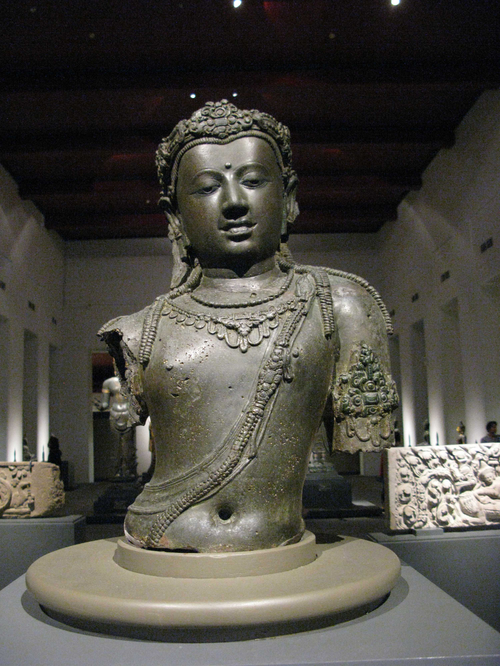
ประติมากรรมพระโพธิสัตว์อวโลกิเตศวร
ประติมากรรมนี้อยู่ในสภาพชำรุด เหลือเพียงพระเศียรและพระวรกายส่วนบนที่แสดงอาการเอียงตนหรือตริภังค์ ในขณะที่มวยพระเกศา พระกรทั้งสองข้าง และพระวรกายส่วนล่างชำรุดสูญหายไปแล้วพระพักตร์อวบอิ่ม เครื่องประกอบพระพักตร์งามสมส่วน เปลือกพระเนตรปิดลงครึ่งหนึ่ง มีพระอุณาโลมที่พระนลาฏ สวมมงกุฎที่ประดับด้วยกลุ่มเพชรพลอยทรงสามเหลี่ยม มวยพระเกศาที่เคยมีอยู่ทางด้านบนได้หักหายไปแล้ว เหลือแต่พระเกศาเป็นลอนสยายปะพระอังสา สวมเครื่องประดับจำนวนมาก ได้แก่ ยัชโญปวีตแบบหนังสัตว์โดยสังเกตได้จากหัวเลียงผาที่อยู่บริเวณพระอังสาซ้าย ยัชโญปวีตนี้ซ้อนทับโดยสังวาลไข่มุกประดับเพชรพลอยอีกชั้นหนึ่ง กรองศอมี 2 เส้น เส้นบนเป็นดั่งเม็ดไข่มุก เส้นล่างเป็นดั่งเครื่องประดับลายเพชรพลอยที่มีสายอุบะห้อยระย้า มีพาหุรัดประดับลายเพชรพลอย ในภาพรวมพระโพธิสัตว์องค์นี้แสดงความเกี่ยวข้องกับศิลปะอินเดียแบบปาละและศิลปะชวาภาคกลางของอินโดนีเซีย อย่างไรก็ตาม งานวิจัยของ รองศาสตราจารย์ ดร.เชษฐ์ ติงสัญชลี ชี้ให้เห็นถึงรายละเอียดที่ไม่ปรากฏทั้งในศิลปะปาละและศิลปะชวาภาคกลาง ซึ่งอาจหมายความว่าหล่อขึ้นในภาคใต้ของไทยเอง ได้แก่ ยัชโญปวีตแบบหนังสัตว์ที่ซ้อนทับด้วยสังวาลเพชรพลอย
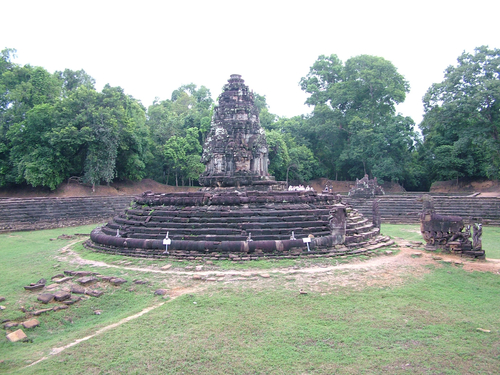

สถาปัตยกรรมปราสาทนาคพัน
พระเจ้าชัยวรมันที่ 7 ทรงขุดบารายชยตฑาคะขึ้นที่ด้านหน้าเมืองราชัยศรี (ปราสาทพระขรรค์) กลางสระนั้นโปรดให้สร้างปราสาทนาคพันขึ้นเพื่อตามคติสระอโนดาต อันเป็นสระน้ำศักดิ์สิทธิ์ทางพุทธศาสนา
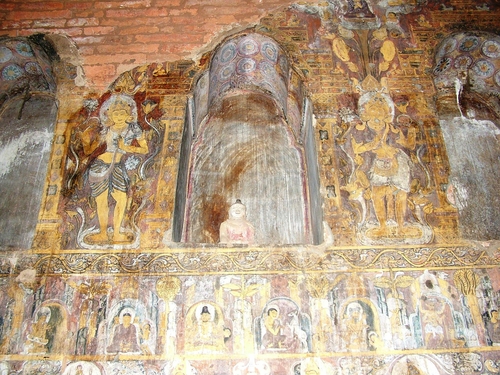

จิตรกรรมจิตรกรรมในเจดีย์อเพยทนะ
อิทธิพลของศิลปะปาละที่สังเกตได้ก็คือ การใช้สีโทนร้อนเป็นหลัก เช่น สีแดง สีเหลือง สีดำและสีขาว ส่วนสีโทนเย็น เช่น สีเขียวแทบไม่ปรากฏ ภายในทางประทักษิณภายในปรากฏซุ้มจระนำซึ่งเคยประดิษฐานพระพุทธรูปมาก่อน ซุ้มจระนำเหล่านี้ขนาบข้างโดยพระโพธิสัตว์ในลัทธิมหายาน โดยพระโพธิสัตว์เหล่านี้แต่งตัวคล้ายคลึงกับศิลปะปาละอย่างมาก เช่น การทรงมงกุฎที่มีกระบังหน้าสามตาบ การทรงยัชโญปวีตตวัดเป็นรูปตัว S และการนุ่งผ้านุ่งเป็นริ้ว
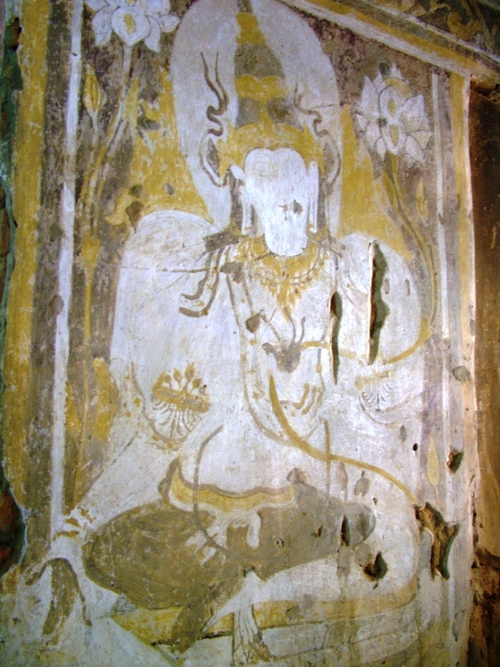
จิตรกรรมพระโพธิสัตว์ จิตรกรรมในเจดีย์อโลปเย
พระโพธิสัตว์เหล่านี้แต่งตัวคล้ายคลึงกับศิลปะปาละอย่างมาก เช่น การทรงมงกุฎที่มีกระบังหน้าสามตาบ การทรงยัชโญปวีตตวัดเป็นรูปตัว S และการนุ่งผ้านุ่งเป็นริ้ว รวมถึงการปรากฏดอกไม้สองดอกขนาบทั้งสองข้างอย่างสมมาตร ย่อมแสดงให้เห็นอิทธิพลปาละตอนปลายอย่างมาก จิตรกรรมเองก็ใช้สีโทนร้อนตามอย่างปาละ ทั้งหมดนี้แสดงให้เห็นว่าจิตรกรรมดังกล่าวคงมีอายุอยู่ในสมัยพุกามตอนต้น


ประติมากรรมเศียรของพระโพธิสัตว์อวโลกิเตศวร
พระเศียรของพระโพธิสัตว์องค์นี้ ทรงชฎามงกุฎตามแบบนักบวช มีกระบังหน้าประดับตาบสามเหลี่ยมสามจุดตามแบบศิลปะปาละ-ชวา พระพักตร์มีความเป็นอินเดีย-ชวาสูง คือพระเนตรเรียวเล็กเหลือบต่ำ พระโอษฐ์บาง ไม่มีพระมัสสุ ทั้งหมดนี้แสดงให้เห็นอิทธิพลของศิลปะชวาที่เข้ามาอย่างมากในระยะนี้