ค้นหางานศิลปกรรม
ฐานข้อมูลศิลปกรรมในเอเชียตะวันออกเฉียงใต้
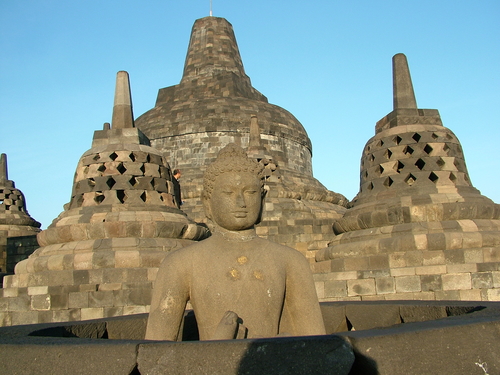

สถาปัตยกรรมฐานกลมและสถูปที่บุโรพุทโธ
ฐานกลมด้านบนสุด เป็นฐานเขียงซึ่งไม่มีภาพสลักใดๆ อันบ่งบอกถึงความเป็น “อรูปภูมิ” ประกบด้วยสถูปโปร่งจำนวนมากซึ่งภายในประดิษฐานพระธยานิพุทธไวโรจนะแสดงปางปฐมเทศนา ประเด็นนี้ย่อมแสดงให้เห็นหัวเลี้ยวหัวต่อระหว่างความมีรูปกับความไม่มีรูป ด้านบนสุดปรากฏสถูปทึบเพียงองค์เดียว นั่นคอตัวแทนของพระอิพุทธ พระเทธเจ้าองค์แรกของจักรวาล ผู้เป็นอมตะ ไม่มีกาลเวลา เป็นผู้กำเนินพระพุทธเจ้าทั้งมวลในจักรวาลและเป็นผู้สร้างโลก ทรงไม่มีรูป
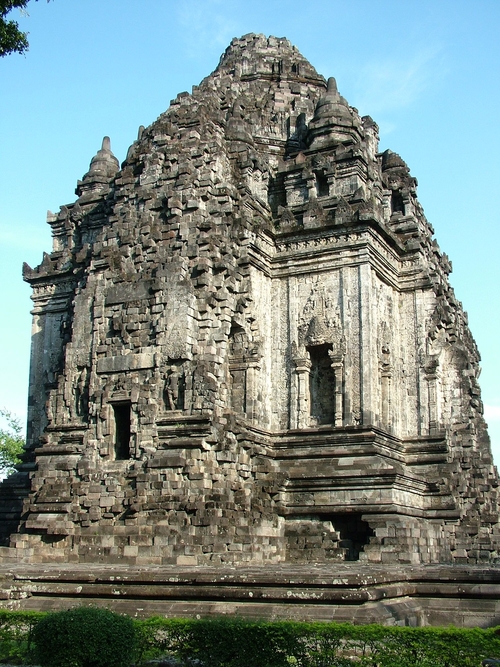
สถาปัตยกรรมจันทิกะลาสัน
จันทิกะลาสัน เป็นตัวอย่างจันทิในแผนผังห้าห้องแห่งแรกๆในศิลปะชวาภาคกลางตอนปลาย ซึ่งจะปรากฏอีกกับจันทิเซวูและจันทิปรัมบะนัน ผังห้าห้องนี้ทำให้เกิดอาคารในผังกากบาทขึ้นซึ่งคงเกี่ยวข้องกับศิลปะปาละมาก่อน เรือนธาตุหลักยังคงแบ่งออกเป็นสามเก็จ โดยเก็จประธานได้กลายเป็น “อาคารประกบ” ตามระบบ “ปราสาทซ้อนปราสาท” ส่วนเก็จมุมมีเสาติดผนังขนาบซุ้มทรงปราสาทที่งดงามที่สุดแห่งหนึ่งในศิชปะชวาภาคกลาง ด้านบนยอดเป็นการซ้อนชั้นตามแบบวิมานอินเดียใต้ อย่างไรก็ตามเรือนธาตุจำลองกลับอยู่ในผังแปดเหลี่ยมซึ่งไม่เคยปรากฏมาก่อนในระยะก่อนหน้า โดยรอบมี “อาคารจำองยอดสถูปิกะ” ประดับ ซึ่งถือเป็นลักษณะที่โดดเด่นในศิลปะชวาภาคกลางตอนปลาย
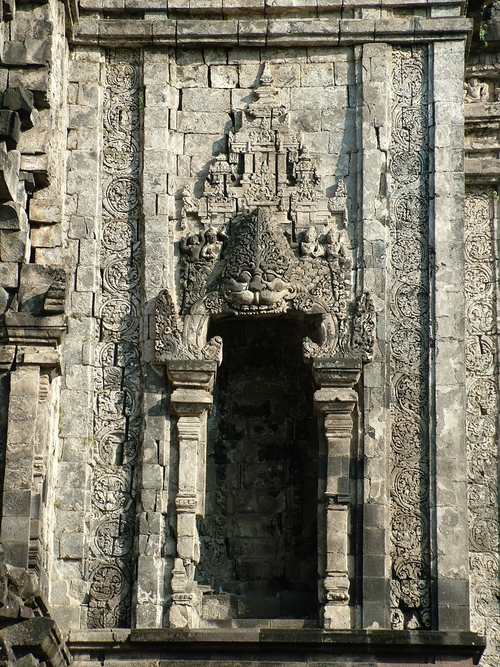
สถาปัตยกรรมซุ้มจระนำที่จันทิกะลาสัน
จันทิกะลาสัน เป็นตัวอย่างจันทิในแผนผังห้าห้องแห่งแรกๆในศิลปะชวาภาคกลางตอนปลาย ซึ่งจะปรากฏอีกกับจันทิเซวูและจันทิปรัมบะนัน ผัวห้าห้องนี้ทำให้เกิดอาคารในผังกากบาทขึ้นซึ่งคงเกี่ยวข้องกับศิลปะปาละมาก่อน เรือนธาตุหลักยังคงแบ่งออกเป็นสามเก็จ โดยเก็จประธานได้กลายเป็น “อาคารประกบ” ตามระบบ “ปราสาทซ้อนปราสาท” ส่วนเก็จมุมมีเสาติดผนังขนาบซุ้มทรงปราสาทที่งดงามที่สุดแห่งหนึ่งในศิชปะชวาภาคกลาง ด้านบนยอดเป็นการซ้อนชั้นตามแบบวิมานอินเดียใต้ อย่างไรก็ตามเรือนธาตุจำลองกลับอยู่ในผังแปดเหลี่ยมซึ่งไม่เคยปรากฏมาก่อนในระยะก่อนหน้า โดยรอบมี “อาคารจำองยอดสถูปิกะ” ประดับ ซึ่งถือเป็นลักษณะที่โดดเด่นในศิลปะชวาภาคกลางตอนปลาย
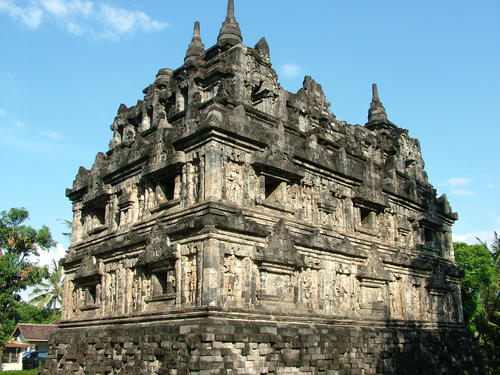
สถาปัตยกรรมจันทิส่าหรี
จันทิส่าหรี เป็นจันทิในแผนผังสี่เหลี่ยมผืนผ้าซึ่งไม่ปรากฏมาก่อนในศิลปะชวาระยะก่อนหน้า ภายในปรากฏห้องจำนวน 3 ห้องและซ้อนกัน 2 ชั้นโดยเคยมีพื้นชั้นสองเป็นแผ่นไม้มาก่อน อาคารแบบนี้คงจำลองมาจากอาคารแบบพื้นเมืองชวาเอง และอาจเคยใช้ในการประดิษฐานพระพุทธเจ้าในห้องกลางและพระโพธิสัตว์ในห้องข้าง อนึ่ง นอกจากที่นี่แล้ว จันทิในแผนผังสี่เหลี่ยมผืนผ้ายังปรากฏอีกที่จันทิเพลาสัน
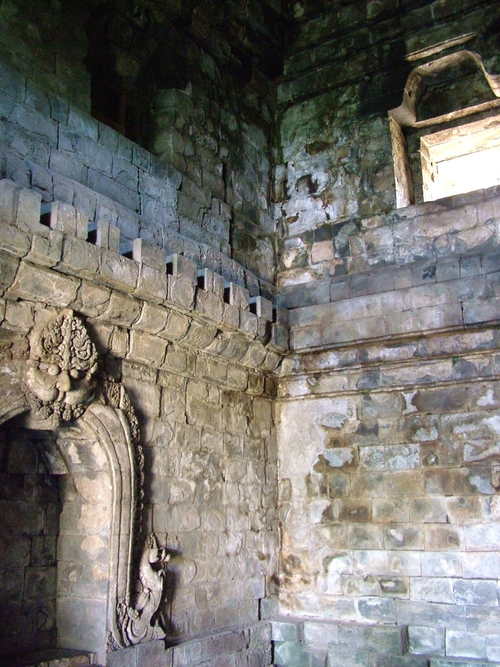
สถาปัตยกรรมภายในจันทิส่าหรี
จันทิส่าหรี เป็นจันทิในแผนผังสี่เหลี่ยมผืนผ้าซึ่งไม่ปรากฏมาก่อนในศิลปะชวาระยะก่อนหน้า ภายในปรากฏห้องจำนวน 3 ห้องและซ้อนกัน 2 ชั้นโดยเคยมีพื้นชั้นสองเป็นแผ่นไม้มาก่อน อาคารแบบนี้คงจำลองมาจากอาคารแบบพื้นเมืองชวาเอง และอาจเคยใช้ในการประดิษฐานพระพุทธเจ้าในห้องกลางและพระโพธิสัตว์ในห้องข้าง จากภาพ จะเห็นว่าภายในอาคารปรากฏคิ้วหินสำหรับการรองรับพื้นชั้นสองซึ่งสูญหายไปแล้ว ลักษณะเช่นนี้ย่อมแสดงว่าจันทิดังกล่าวเคยมีสองชั้น
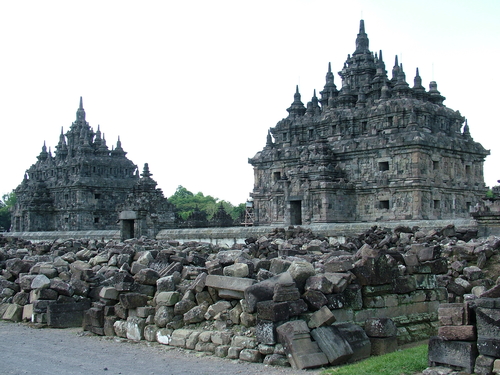
สถาปัตยกรรมจันทิเพลาสัน
จันทิเพลาสัน เป็นจันทิในแผนผังสี่เหลี่ยมผืนผ้าเช่นเดียวกับจันทิส่าหรี ภายในปรากฏห้องจำนวน 3 ห้องและซ้อนกัน 2 ชั้นโดยเคยมีพื้นชั้นสองเป็นแผ่นไม้มาก่อนเช่นเดียวกับจันทิส่าหรี อาคารแบบนี้คงจำลองมาจากอาคารแบบพื้นเมืองชวาเอง และอาจเคยใช้ในการประดิษฐานพระพุทธเจ้าในห้องกลางและพระโพธิสัตว์ในห้องข้างอนึ่ง ประเด็นที่แตกต่างไปจากจันทิส่าหรีก็คือ ที่นี่มีการสร้างจันทิประธานในผังสี่เหลี่ยมผืนผ้าถึงสองหลัง นอกจากนี้ยังปรากฏจันทิบริวารขนาดเล็กล้อมรอบ ซึ่งทำให้แผนผังของจันทิกลายเป็นมณฑลคล้ายจันทิเซวู
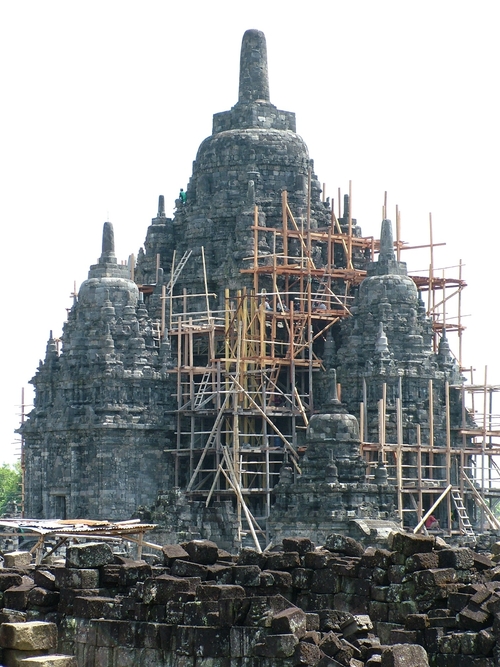
สถาปัตยกรรมจันทิเซวู
จันทิหลังประธานของจันทิเซวูมีแผนผังกากบาทเช่นเดียวกับจันทิกะลาสันและจันทิปรัมบะนัน กล่าวคือ มีห้องครรภคฤหะตรงกลางและล้อมรอบไปด้วยมุขสี่ทิศ รวมกันเป็นห้าห้อง ซึ่งคงเป็นอิทธิพลจากผังกากบาทของปหรรปุระในศิลปะปาละตอนต้น แผนผังแบบนี้เข้ามาและได้รับความนิยมเฉพาะศิลปะชวาภาคกลางตอนปลายจันทิในผังห้าห้องนี้คงสร้างขึ้นเพื่อประดิษฐานพระธยานิพุทธเจ้าตามทิศ อนึ่ง มีรายงานว่าได้ค้นพบขมวดพระเกศาขนาดใหญ่ซึ่งอาจเคยเป็นของพระพุทธรูปที่ประดิษฐานในจันทิเซวูก็ได้ ด้านบนยอดปรากฏสถูปขนาดใหญ่ล้อมรอบด้วยสถูปขนาดเล็ก ซึ่งถือเป็นลักษณะเฉพาะของอาคารในศิลปะชวาภาคกลางตอนปลาย
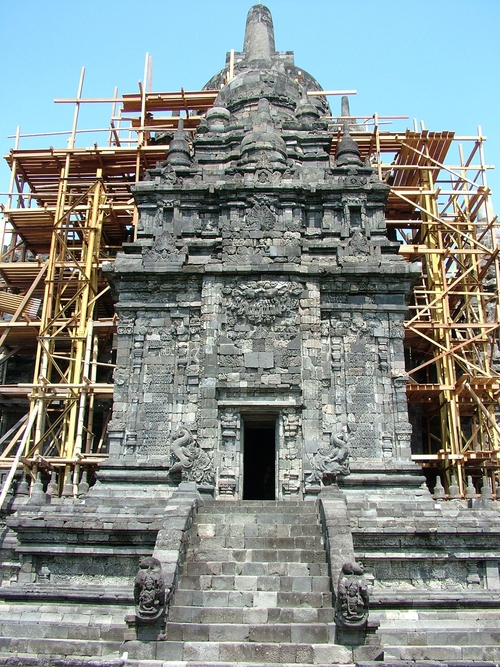
สถาปัตยกรรมเรือนธาตุของอาคารประธาน: จันทิเซวู
จันทิหลังประธานของจันทิเซวูมีแผนผังกากบาทเช่นเดียวกับจันทิกะลาสันและจันทิปรัมบะนัน กล่าวคือ มีห้องครรภคฤหะตรงกลางและล้อมรอบไปด้วยมุขสี่ทิศ รวมกันเป็นห้าห้อง ซึ่งคงเป็นอิทธิพลจากผังกากบาทของปหรรปุระในศิลปะปาละตอนต้น เรือนธาตุของจันทิประธาน ประกอบด้วยเก็จจำนวนสามเก็จ คือเก็จประธานและเก็จมุม เก็จประธานเป็นซุ้มกาล-มกรขนาดใหญ่ โดยมีหน้ากาลอยู่ด้านบนและมีมกรหันออกอยู่ด้านล่าง ทั้งหมดเป็นกรอบครอบซุ้มประตูรูปกูฑุ ส่วนเก็จมุมขนาบปรากฏ “ซุ้มจระนำและเสา” ซึ่งเป็นระเบียบเดียวกับซุ้มพระโพธิสัตว์ที่เก็จมุมของจันทิเมนดุต จันทิปะวนและจันทิกะลาสัน อย่างไรก็ตาม ซุ้มจระนำที่นี่กลับบรรจุแถบลวดลายพวงอุบะจนเต็ม