ค้นหางานศิลปกรรม
ฐานข้อมูลศิลปกรรมในเอเชียตะวันออกเฉียงใต้
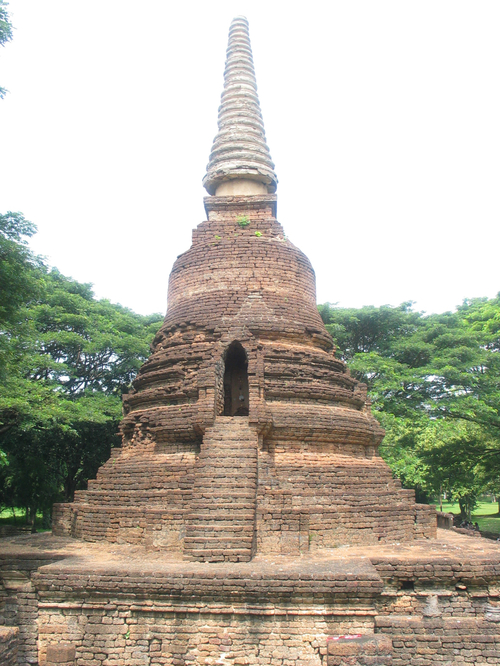

สถาปัตยกรรมเจดีย์วัดนางพญา
เจดีย์ประธานวัดนางพญาตั้งอยู่ทางด้านหลังวิหาร ก่อด้วยศิลาแลงเป็นวัสดุหลัก รองรับด้วยฐานสี่เหลี่ยมซึ่งครั้งหนึ่งเคยมีประติมากรรมรูปช้างล้อมรอบ องค์เจดีย์ประกอบด้วยส่วนสำคัญไล่จากด้านล่างไปด้านบน คือ ชุดฐานเขียงต่อด้วยฐานบัว มาลัยเถาซ้อนกัน 3 ชั้น มีมุขอยู่ที่ทิศทั้งสี่ เฉพาะมุขทิศตะวันออกเท่านั้นที่มีบันไดทางขึ้นและสามารถเข้าไปยังห้องคูหาภายในได้ ถัดขึ้นเป็นองค์ระฆัง บัลลังก์ และส่วนยอด

สถาปัตยกรรมพระสมุทรเจดีย์
พระสมุทรเจดีย์มีองค์ประกอบทางสถาปัตยกรรมที่สำคัญ ได้แก่ ส่วนฐานประกอบด้วยฐานเขียงที่มีช้างล้อม ถัดขึ้นไปเป็นฐานประทักษิณ 2 ฐาน ซึ่งมีบันไดทางขึ้นทั้ง 4 ด้าน จากนั้นเป็นชั้นฐานบัวคว่ำ บัวหงายที่ประดับบัวลูกแก้ว 2 เส้น ในผังกลม และประดับจระนำทั้งสี่ทิศที่ชั้นฐานนี้ จากนั้นจึงต่อด้วยชุดฐานบัวคว่ำบัวหงายตามระเบียบของเจดีย์ทรงระฆังในสมัยรัชกาลที่ 4 และมีชุดมาลัยเถา 3 ชั้น ชั้นฐานบัวลูกแก้วอกไก่ 1 ชุด แทนตำแหน่งบัวปากระฆัง องค์ระฆัง บัลลังก์สี่เหลี่ยม แกนปล้องไฉนและเสาหาร ปล้องไฉนทรงกรวยและปลียอด ความสูงของพระสมุทรเจดีย์เป็นผลจากการที่องค์เจดีย์ตั้งอยู่บนฐานประทักษิณที่มีความสูง 2 ชั้น ซึ่งอยู่ในผังแปดเหลี่ยม มีบันไดทางขึ้น โดยฐานประทักษิณชั้นล่างเป็นฐานช้างล้อม การเพิ่มสัดส่วนความสูงด้วยชั้นฐานที่มากขึ้นนั้นเชื่อว่าน่าจะเป็นเหตุผลจากการที่พระสมุทรเจดีย์นั้นเดิมตั้งในบริเวณที่เป็นเกาะกลางน้ำจึงมีความจำเป็นเพื่อป้องกันปัญหาเรื่องน้ำท่วม รวมทั้งเพื่อให้เป็นจุดสังเกตที่สำคัญในการสัญจร
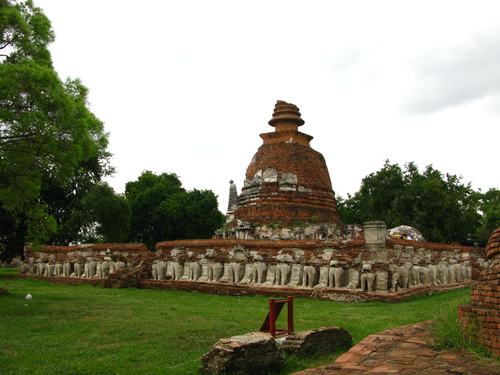
สถาปัตยกรรมเจดีย์ประธานวัดมเหยงคณ์
เจดีย์ประธานวัดมเหยงคณ์เป็นเจดีย์ทรงกลมที่ตั้งอยู่บนลานประทักษิณ ก่อด้วยอิฐ ฉาบปูน และประดับลวดลายปูนปั้นฐานประทักษิณอยู่ในผังสี่เหลี่ยมจัตุรัส ล้อมรอบด้วยประติมากรรมช้างครึ่งตัวยืนอยู่ภายในซุ้ม กึ่งกลางด้านทั้งสี่มีบันไดทางขึ้นสู่ลานประทักษิณ กลางลานประทักษิณมีเจดีย์ทรงกลม 1 องค์ ส่วนล่างของเจดีย์มีซุ้มประดิษฐานพระพุทธรูปเรียงรายโดยรอบ ถัดขึ้นไปได้รับการบูรณปฏิสังขรณ์แล้วเป็นส่วนใหญ่ ร่องรอยเดิมยังเห็นได้ว่ามีมาลัยเถา ถัดขึ้นไปเป็นองค์ระฆังและบัลลังก์ ส่วนยอดที่เป็นของเดิมหักพังลงบนลานประทักษิณ ที่เห็นในปัจจุบันเป็นงานบูรณปฏิสังขรณ์สมัยปัจจุบัน
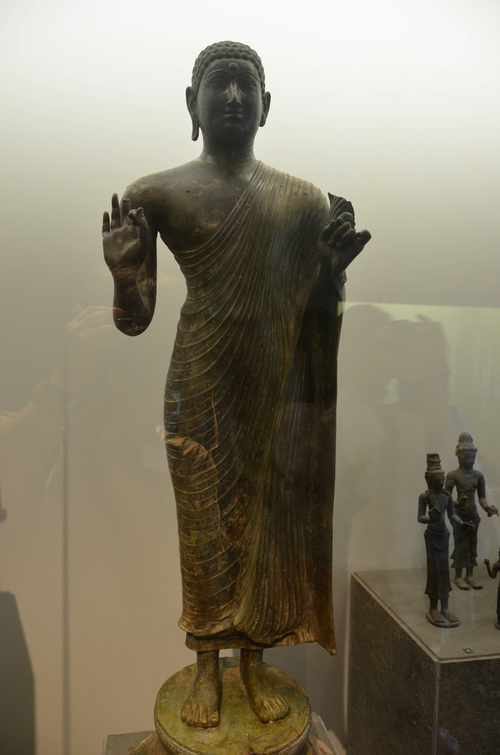

ประติมากรรมพระพุทธรูปจากปราสาทดงเดือง
พระพุทธรูปมีลักษณะตามอย่างศิลปะอมราวดีหรือลังกา กล่าวคือมีอุษณีษะต่ำ พระเกศาขมวดก้นหอย ห่มจีวรเฉียง จีวรเป็นริ้วทั้งองค์ มีขอบจีวรหนายกขึ้นมาพาดพระกรซ้ายเป็นรูปสามเหลี่ยม พระพุทธรูปยกพระหัตถ์ขวาแสดงวิตรรกมุทราและยกพระหัตถ์ซ้ายขึ้นมาจับชายจีวรขนานกันกับพระหัตถ์ขวา รูปแบบทั้งหมดนี้แสดงว่าพระพุทธรูปองค์นี้อาจะเป็นของนำเข้ามาจากอินเดียใต้หรือลังกา
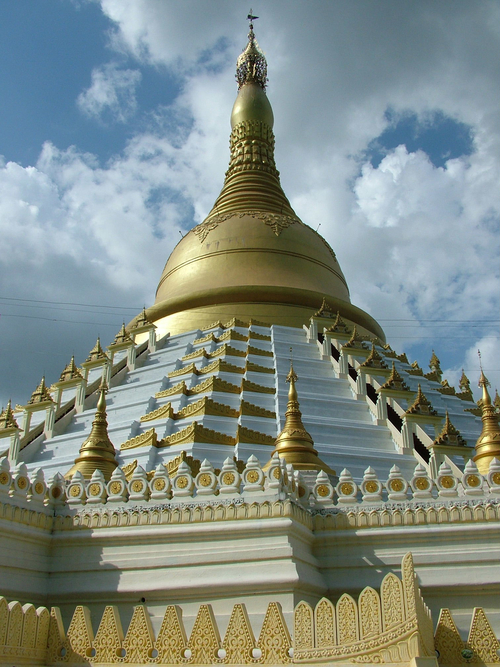

สถาปัตยกรรมมหาเจดีย์
เจดีย์ประกอบด้วยฐานในผังแปดเหลี่ยมเพิ่มมุม เป็นฐานลาดตามแบบมอญ แต่กลับมีบันไดขึ้นและมีทางประทักษิณด้านบนตามแบบพม่า ถัดขึ้นไปได้แก่ฐานเขียงในผังกลมจำนวนมากตามแบบมอญ รองรับองค์ระฆัง ส่วนยอดเป็นของซ่อมใหม่สมัยปัจจุบัน การที่เจดีย์องค์นี้มีการผสมผสานกันระหว่างศิลปะมอญและศิลปะพม่านั้น สอดรับกับประวัติศาสตร์ของพม่าในระยะนั้นที่ราชวงศ์ตองอูของพม่าได้ยกทัพลงมายึดครองเมืองหงสาวดีของชาวมอญ จึงทำให้เกิดการผสมผสานกันระหว่างเจดีย์สองแบบ
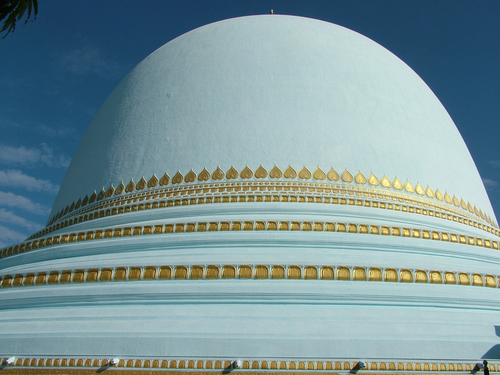
สถาปัตยกรรมเจดีย์กองมูดอ
เจดีย์ประกอบด้วยอัณฑะทรงโอคว่ำขนาดใหญ่ตามแบบศิลปะลังกาสมัยอนุราธปุระ ฐานเตี้ยๆ ในผังกลม ทั้งหมดนี้แสดงการจำลองแบบมาจากศิลปะลังกา อย่างไรก็ตาม ด้านบนเจดีย์กลับไม่ปรากฏหรรมิกาและฉัตรวลี ซึ่งเป็นลักษณะที่แปลกประหลาด
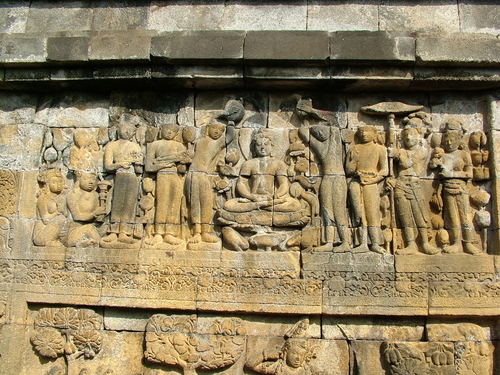

ประติมากรรมการอภิเษกพระพุทธเจ้าภายหลังการปฐมเทศนา
รูปแบบศิลปะของภาพสลักที่บุโรพุทโธมีความคล้ายคลึงศิลปะอินเดียเป็นอย่างมาก ทั้งรูปแบบเครื่องแต่งกายของประติมากรรม ข้าวของเครื่องใช้ ตัวละครที่กลมกลึงและมีการเว้นพื้นที่ว่างเปล่า ทั้งหมดนี้แสดงว่าศิลปะชวาภาคกลางมีความเกี่ยวข้องอย่างมากกับศิลปะอินเดีย
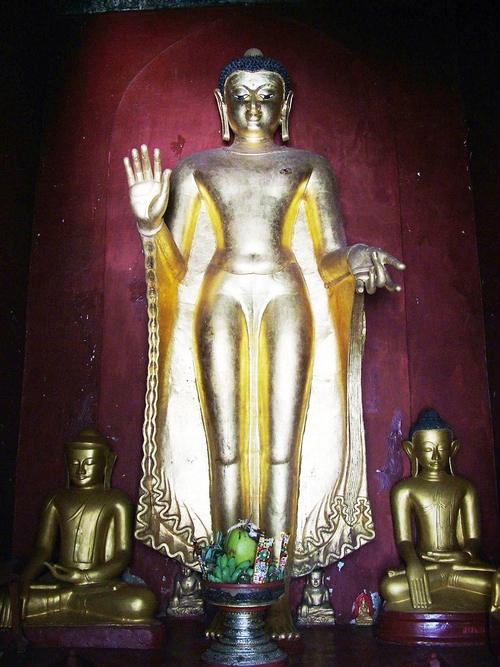
ประติมากรรมพระพุทธรูปประทับยืนที่ชเวซิกอง
พระพุทธรูปลักษณะตามอย่างพระพุทธรูปประทับยืนในศิลปะพุกามโดยทั่วไป กล่าวคือ ครองจีวรห่มคลุม เรียบไม่มีริ้ว มีชายจีวรตงลงมาจากพระหัตถ์ทั้งสองข้างแตกเป็นเขี้ยวตะขาบตามแบบปาละตอนปลาย พระหัตถ์ทั้งสองแสดงปางประทานอภัยในพระหัตถ์ขวาและจับชายจีวรในแนวลงในพระหัตถ์ซ้าย อันเป็นระบบอินเดียเหนือที่พระหัตถ์ทั้งสองมักมีแนวพระหัตถ์ตรงกันข้ามกัน