ค้นหางานศิลปกรรม
ฐานข้อมูลศิลปกรรมในเอเชียตะวันออกเฉียงใต้


ประติมากรรมพระอมิตาภะสำริด (?)
ประติมากรรมสำริดขนาดเล็กในศิลปะชวาภาคกลาง คงเคยเป็นประติมากรรมส่วนตัวของพระภิกษุมาก่อน ทางด้านรูปแบบแล้วมีความคล้ายคลึงกับศิลปะปาละอย่างมาก ทั้งเครื่องแต่งกาย ประติมานวิทยาและรูปแบบบัลลังก์-แผ่นหลัง ประติมากรรมสำริดชิ้นนี้มีรูปแบบคล้ายคลึงกับศิลปะปาละอย่างมาก โดยเฉพาะบัลลังก์ซึ่งประกอบไปด้วยคานตั้งคานนอน คานตั้งประดับด้วยวยาลยกขา ส่วนคานนอน ประดับด้วยอามลกะและมกรหันออก ที่แท่นบัลลังก์ปรากฏกลีบบัวขนาดใหญ่รองรับพระพุทธรูปซึ่งเป็นระเบียบปกติของประติมากรรมสำริดที่นาลันทาในอินเดียตะวันออก
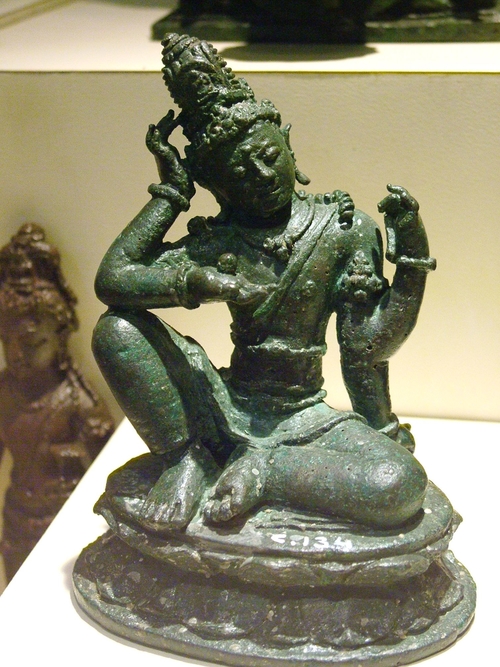
ประติมากรรมพระมหาการุณิกะสำริด
ประติมากรรมสำริดขนาดเล็กในศิลปะชวาภาคกลาง คงเคยเป็นประติมากรรมส่วนตัวของพระภิกษุมาก่อน ทางด้านรูปแบบแล้วมีความคล้ายคลึงกับศิลปะปาละอย่างมาก ทั้งเครื่องแต่งกาย ประติมานวิทยาและรูปแบบบัลลังก์-แผ่นหลัง

ประติมากรรมพระพุทธรูปประทับยืนสำริด
พระพุทธรูปองค์นี้มีความคล้ายคลึงกับศิลปะอมราวดี-ลังกาอย่างมาก ด้วยเหตุทีมีอุษณีษะต่ำ ประทับยืนแต่ห่มจีวรเฉียงมีขอบจีวรขึ้นมาพาดพระกรซ้าย พระหัตถ์ทั้งสองข้างยกข้นขนานกันในปางวิตรรกะ-กฎกมุทรา อันเป็นปางที่ได้รับความนิยมมากกับพระพุทธรูปลังกา พระพุทธรูปองค์นี้จึงสรุปได้ว่าได้รับแรงบันดาลใจจากศิลปะอินเดียใต้-ลังกาอย่างมาก อย่างไรก็ดี จีวรของพระพุทธรูปองค์นี้กลายเป็นจีวรเรียบไม่มีริ้วแบบคุปตะและวกาฏกะแล้ว

ประติมากรรมพระโพธิสัตว์อวโลกิเตศวรประทับยืนสำริด
ประติมากรรมสำริดขนาดเล็กในศิลปะชวาภาคกลาง คงเคยเป็นประติมากรรมส่วนตัวของพระภิกษุมาก่อน ทางด้านรูปแบบแล้วมีความคล้ายคลึงกับศิลปะปาละอย่างมาก ทั้งเครื่องแต่งกาย ประติมานวิทยาและรูปแบบบัลลังก์-แผ่นหลัง ประติมากรรมสำริดชิ้นนี้มีรูปแบบคล้ายคลึงกับศิลปะปาละอย่างมาก โดยเฉพาะการมีประภามณฑลประดับไปด้วยเปลวไฟเป็นระยะๆ ด้านบนประดับฉัตร อย่างไรก็ตาม สิ่งที่ดูแปลกออกไปจากศิลปะปาละก็คือ ฟู่ห้อยที่คลุมพระอังสา และโบหูกระต่ายซึ่งลักษณะหลังนี้เยวข้องกับศิลปะอินเดียใต้มากกว่า

ประติมากรรมนางตาราสำริด
ประติมากรรมสำริดขนาดเล็กในศิลปะชวาภาคกลาง คงเคยเป็นประติมากรรมส่วนตัวของพระภิกษุมาก่อน ทางด้านรูปแบบแล้วมีความคล้ายคลึงกับศิลปะปาละอย่างมาก ทั้งเครื่องแต่งกาย ประติมานวิทยาและรูปแบบบัลลังก์-แผ่นหลัง ประติมากรรมสำริดชิ้นนี้มีรูปแบบคล้ายคลึงกับศิลปะปาละอย่างมาก โดยเฉพาะการมีแผ่นหลังวงรีและประดับไปด้วยเปลวไฟเป็นระยะๆ ด้านบนประดับฉัตร
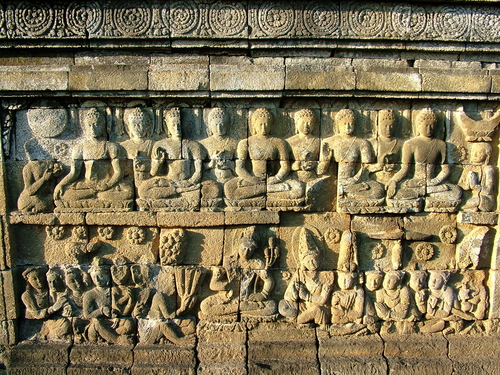
ประติมากรรมภาพเล่าเรื่องตามคัณฑวยุหสูตร
รูปแบบศิลปะของภาพสลักที่บุโรพุทโธมีความคล้ายคลึงศิลปะอินเดียเป็นอย่างมาก ทั้งรูปแบบเครื่องแต่งกายของประติมากรรม ข้าวของเครื่องใช้ ตัวละครที่กลมกลึงและมีการเว้นพื้นที่ว่างเปล่า ทั้งหมดนี้แสดงว่าศิลปะชวาภาคกลางมีความเกี่ยวข้องอย่างมากกับศิลปะอินเดีย ตำนาน/เรื่องเล่าที่เกี่ยวข้อง
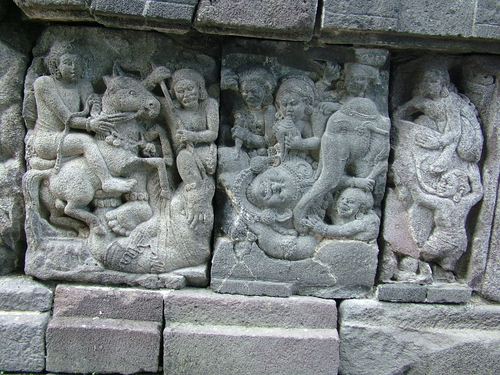
ประติมากรรมภาพเล่าเรื่องรามายณะที่จันทิปรัมบะนัน
รูปแบบภาพล่าเรื่องที่จันทิปรัมบะนันมีพัฒนาการแล้วจากภาพเล่าเรื่องที่บุโรพุทโธ กล่าวคือ นิยมการถมพื้นที่ว่างจนเต็มไปด้วยลวดลายธรรมชาติ เช่น ภาพภูเขาและต้นไม้ ซึ่งแนวโน้มเช่นนี้เรียกโดยศาสตราจารย์หม่อมเจ้าสุภัทรดิศว่า “การรังเกียจพื้นที่ว่างเปล่า” ซึ่งแสดงแนวโน้มที่ใกล้เคียงกับศิลปะชวาภาคตะวันออกเข้าไปทุกที แม้ว่าลักษณะบางประการจะใกล้เคียงกับศิลปะชวาภาคตะวันออก แต่ภาพบุคคลยังคงกลมกลึงมีปริมาตร และหลายครั้งยังคงหันหน้าตรงตามแบบภาพเล่าเรื่องในศิลปะอินเดีย