ค้นหางานศิลปกรรม
ฐานข้อมูลศิลปกรรมในเอเชียตะวันออกเฉียงใต้
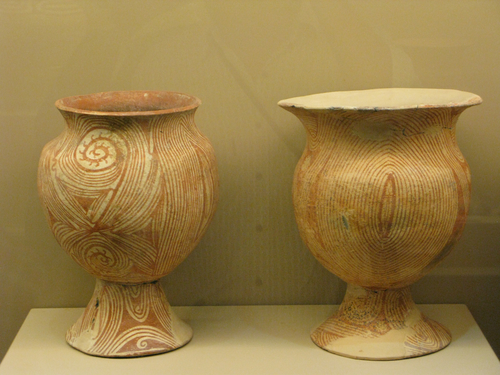

ประติมากรรมภาชนะดินเผาบ้านเชียง
เป็นภาชนะดินเผาในหลุมฝังศพที่พบได้จากการขุดค้นในแหล่งโบราณคดีบ้านเชียง สามารถแบ่งประเภทได้ดังนี้1.สมัยต้น มีอายุระหว่าง 4,300-3,000 ปีมาแล้วเป็นอย่างน้อยระยะที่ 1 มีภาชนะดินเผาประเภทเด่นคือ ภาขนะดินเผาสีดำ-เทาเข้ม มีเชิงหรือฐานเตี้ยๆ ลำตัวภาชนะครึ่งบนมักตกแต่งด้วยลายขีดเป็นเส้นคดโค้ง แล้วตกแต่งเพิ่มเติมด้วยการกดจุดหรือเป็นเส้นสั้นๆ เติมในพื้นที่ระหว่างลายเส้นคดโค้ง ส่วนครึ่งล่างของตัวภาชนะมักตกแต่งด้วยลายเชือกทาบ ซึ่งหมายถึงลวดลายที่เกิดจากการกดประทับผิวภาชนะดินเผาด้วยเชือกนั่นเองระยะที่ 2 เริ่มปรากฏภาชนะดินเผาแบบใหม่เพิ่มขึ้นมา คือ ภาชนะดินเผาขนาดใหญ่ที่ใช้บรรจุศพเด็กก่อนที่จะนำไปฝัง นอกจากนี้ยังมีภาชนะดินเผาขนาดสามัญซึ่งมีการตกแต่งพื้นที่ส่วนใหญ่บนผิวภาชนะด้านนอกด้วยเส้นขีดเป็นลายคดโค้ง จึงดูเสมือนเป็นภาชนะที่มีปริมาณลวดลายขีดตกแต่งหนาแน่นกว่าบนภาชนะของสมัยต้นช่วงแรกระยะที่ 3 เริ่มปรากฏภาชนะแบบที่มีผนังด้านข้างตรงถึงเกือบตรง ทำให้มีรูปร่างภาชนะเป็นทรงกระบอก (beaker) และยังมีภาชนะประเภอหม้อก้นกลม คอภาชนะสั้นๆ ปากตั้งตรง ตกแต่งด้วยลายเชือกทาบตลอดทั้งใบระยะที่ 4 ปรากฏภาชนะดินเผาประเภทหม้อก้นกลม มีกลุ่มหนึ่งตกแต่งบริเวณไหล่ภาชนะด้วยลายขีดเป็นเส้นคดโค้งผสมกับการระบายด้วยสีแดง ในขณะที่ส่วนบริเวณลำตัวภาชนะช่วงใต้ไหล่ลงมาตกแต่งด้วยลายเชือกทาบ ภาชนะดินเผาแบบนี้มีการตั้งชื่อว่า “ภาชนะแบบบ้านอ้อมแก้ว” เพราะพบว่าเป็นภาชนะดินเผาประเภทหลักที่พบในชั้นอยู่อาศัยของคนยุคก่อนประวัติศาสตร์ช่วงแรกที่บ้านอ้อมแก้ว ซึ่งอยู่ไม่ไกลจากบ้านเชียง2.สมัยกลาง อายุระหว่าง 3,000-2,000 ปีมาแล้วเป็นอย่างน้อยภาชนะดินเผาขนาดใหญ่ ผิวนอกสีขาว ทำส่วนไหล่ภาชนะหักมุมหรือโค้งมากจนเกือบเป็นมุมค่อนข้างชัด มีทั้งแบบก้นกลมและก้นแหลม บางใบมีการตกแต่งด้วยลายขีดผสมกับลายเขียนสีที่บริเวณใกล้ปากภาชนะ ในช่วงปลายสุดของสมัยกลาง เริ่มมีการตกแต่งปากภาชนะดินเผารูปแบบเช่นนี้ด้วยการทาสีแดง3.สมัยปลาย อายุระหว่าง 2,300-1,800 ปีมาแล้ว ช่วงต้นของสมัยปลาย พบภาชนะดินเผาเขียนสีแดงบนพื้นสีนวลช่วงกลางของสมัยปลาย เริ่มมีการใช้ภาชนะดินเผาลายเขียนสีแดงบนพื้นสีแดงช่วงท้ายของสมัยปลาย เริ่มมีการใช้ภาชนะดินเผาทาด้วยน้ำดินสีแดงแล้วขัดมันลวดลายที่ปรากฏบนภาชนะดินเผา สามารถจำแนกได้ดังนี้1.กลุ่มลวดลายรูปร่างเรขาคณิต 2.กลุ่มลวดลายอิสระแบบดุลยภาพสมมาตร 3.กลุ่มลวดลายอิสระแบบดุลยภาพอสมมาตร ส่วนรูปแบบลวดลายที่นิยมในสมัยปลาย คือ การเขียนสีบนเคลือบน้ำดินสีนวล ลวดลายวงกลมหรือวงรี ลวดลายเส้นโค้งแบบก้นหอยวนเข้าหาจุดศูนย์กลาง ลายเส้นโค้งแบบก้นหอยวนเข้าหาจุดศูนย์กลางแล้ววนออกและลวดลายตัว S และ Z ลวดลายภาชนะแสดงถึงความพิถีพิถัน ผู้ผลิตสร้างขึ้นให้กับผู้ตายตามประเพณีความเชื่อเกี่ยวกับความตาย พื้นฐานทางความคิดของผู้สร้างสรรค์ลวดลายของชุมชนมีความร่วมกันทางวัฒนธรรม แต่ในขณะเดียวกันก็ปรากฏถึงความหลากหลายในการออกแบบ ซึ่งมีพัฒนาการในระยะแรกเริ่มจากรูปแบบเรียบง่าย ต่อมาในระยะหลังเมื่อผลิตจำนวนมากขึ้น มีความรู้ความชำนาญมากขึ้นก็พัฒนาไปสู่การสร้างลวดลายที่ซับซ้อนมากขึ้นอย่างค่อยเป็นค่อยไป
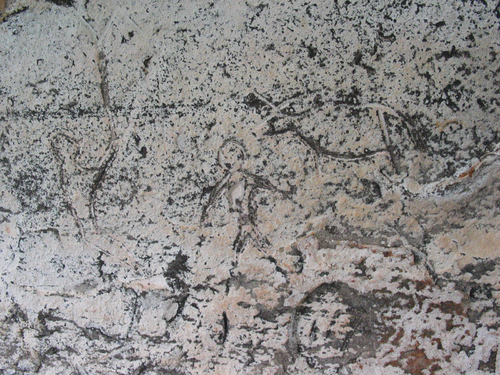
จิตรกรรมถ้ำผาลายภูผายนต์
ภาพสลักต่างๆ นั้นสามารถแยกประเภทได้ดังนี้1. ภาพคน มีทั้งหมด 21 ภาพ มีทั้งภาพคนที่เหมือนจริงและภาพกึ่งเหมือนจริง ภาพเหมือนจริงคือภาพที่บ่งบอกลักษณะว่าเหมือน เช่น ภาพเหมือนคนซึ่งเน้นแสดงโครงภายนอก ไม่มีรายละเอียดของอวัยวะ เช่น หู ตา ปาก จมูก นิ้วมือ นิ้วเท้า มีจำนวน 9 ภาพ เป็นภาพเด็ก 2 ภาพ ผู้ใหญ่ 7 ภาพ ส่วนภาพกึ่งเหมือนจริงคือภาพที่บ่งบอกลักษณะว่าเป็นคนโดยสัดส่วน แต่จะคลาดเคลื่อนจากความเป็นจริง เช่น หัวคนเป็นรูปสี่เหลี่ยมหรือแขน ขา ไม่เน้นให้เห็นกล้ามเนื้อ แต่มีอวัยวะที่สำคัญครบส่วน เช่น หู ตา ปาก จมูก ไม่มีนิ้วมือ นิ้วเท้า ภาพประเภทนี้ มี 12 ภาพ2. ภาพมือ มีเพียงภาพเดียว เป็นภาพมือขวาหงายมือแสดงอุ้งมือ มีนิ้ว 6 นิ้ว3. ภาพสัตว์ มีทั้งหมด 21 ภาพ ภาพปลา 8 ภาพ ภาพนก 4 ภาพ ภาพสุนัข 2 ภาพ กระรอกหรือกระแต 1 ภาพ ภาพควาย 1 ภาพ วัวหรือควาย 4 ภาพ กบหรือเขียด 1 ภาพ4. ภาพลวดลายเรขาคณิต เป็นเส้นตรง เส้นโค้ง หรือทำเป็นลวดลายต่างๆ มีรูปสี่เหลี่ยม สามเหลี่ยม กากบาท หัวลูกศร สามเหลี่ยมขนมเปียกปูน ลายเส้นเดียว ลายเส้นเรียงแถวกัน ลายเส้นตัดกันไปตัดกันมาจนหารูปทรงที่แน่นอนไม่ได้ซึ่งพบเป็นจำนวนมาก5. ภาพสิ่งของเครื่องใช้ เช่น ภาพที่คล้ายไถ เครื่องมือทำนาแสดงเฉพาะส่วนหัวที่เรียกว่า "หัวหมู" หรือ "ผาล" อยู่ตอนปลาย นอกจากนี้ยังมีรูปจอบมีด้ามและรูปพัดสำหรับพัดให้กระแสลมพัดข้าวเมล็ดลีบออก 6.ภาพอาคาร มีลักษณะคล้ายบ้าน 2 ภาพ เป็นทรงบ้านหลังคาสามเหลี่ยมหน้าจั่ว ภาพหนึ่งมีสุนัขอยู่ข้างในบ้าน อีกภาพหนึ่งเป็นบ้านที่มียอดหลังคาไขว้คล้ายเรือนกาแล หรือเถียงนาในภาคอีสาน และมีภาพคล้ายคนอยู่ในบ้าน

จิตรกรรมภาพเขียนสีก่อนประวัติศาสตร์เขาจันทน์งาม
ภาพเขียนสีทั้งหมดเขียนด้วยสีแดง อยู่สูงจากพื้นดินประมาณ 2-4 เมตร การศึกษาที่ผ่านมาของกรมศิลปากรและมหาวิทยาลัยศิลปากรได้จัดแบ่งภาพเขียนสีที่พบเป็น 12 กลุ่มตามตำแหน่งที่พบ โดยรวมแล้วมีภาพทั้งหมด 44 ภาพ เป็นภาพคน 32 ภาพ ภาพสัตว์ 5 ภาพ (สุนัข นกหรือไก่ ตะกวด? เม่น? เสือ?) คันธนูและลูกศร 1 ภาพ และไม่ทราบว่าเป็นภาพชนิดใด 5 ภาพ เทคนิคการเขียนภาพมี 2 แบบ คือ ภาพเงาทึบและลายเส้นโครงร่างภายนอก ภาพคนส่วนใหญ่มีส่วนน่องโต มีผ้านุ่ง ไม่สวมเสื้อ ผู้หญิงจะมีหางนกห้อยมาจากกระเบนเหน็บและพู่ประทับบนหัวกลุ่มที่ 1 เป็นภาพชุดที่เด่นและสำคัญที่สุด อยู่บนผนังหินด้านทิศตะวันออก เนื้อที่ขนาด 1x2 เมตร เป็นภาพเขียนแบบเงาทึบ ภาพมี 2 แถว (บนและล่าง) ลักษณะเป็นรูปกลุ่มคน 14 คน มีทั้งเพศชายและหญิง วัยเด็กและผู้ใหญ่ รวมทั้งภาพสุนัข 1 ตัว โดยมีรายละเอียดคือแถวบน เป็นภาพคน 3 คน คนแรกมีเพียงครึ่งซีก ไม่มีหัว คนที่ 2 ยืนกางแขน มีผ้ากางออกมาจากส่วนเอวทั้ง 2 ข้าง ชายผ้ามีแฉกเป็นริ้วๆ เป็นภาพที่เขียนด้านตรง แต่หันหน้าเอียงไปทางขวา คนที่ 3 เขียนให้เห็นด้านข้าง หันหน้าไปทางตรงกันข้ามกับคนที่ 2 ภาพนี้ไม่เต็มรูป ขาดส่วนคอ ลำตัวบางส่วน และต้นขาแถวล่าง เป็นขบวนภาพคนเดินเรียงเป็นแถว ภาพแรกของแถวล่างอยู่ต่ำจากแถวบนประมาณ 30 เซนติเมตร เป็นภาพคนยืนถือธนูในท่าทางกำลังยิงธนู โดยลูกธนูถูกยิงออกจากคันธนูแล้ว ภาพนี้เป็นภาพเขียนให้เห็นด้านข้าง มีเส้นผมอยู่บนหัว นุ่งผ้าห้อยหน้าหลัง ชายผ้าด้านนอกมีแฉกเป็นริ้วๆ ขาด้านหลังสลับเลื่อนไป ต่อจากภาพนี้เป็นภาพสุนัข หูตั้ง หางดาบ มีอวัยวะเพศบ่งบอกว่าเป็นตัวผู้ ลักษณะตัวผอมยาว ต่ำจากภาพสุนัขลงมาเล็กน้อยเป็นภาพคนนั่งชันเข่า คนที่ 2 เป็นภาพผู้หญิงมีท้องใหญ่ เปลือยอก มีหางคล้ายหางนก ภาพ 2 คนนี้อยู่ในลักษณะที่กำลังเล่นหรือคุยกัน คนหนึ่งเป็นผู้ชาย คนหนึ่งเป็นผู้หญิง ภาพถัดไปเป็นภาพคนยืนเท้าเอว นุ่งผ้า 2 ชิ้นหน้าหลัง แขนขวายกตั้งศอก เป็นภาพเขียนด้านข้าง ห่างจากภาพนี้ไปประมาณ 20 เซนติเมตร เป็นภาพคนยืนหลังค่อม บนหัวมีเส้นผม นุ่งผ้า 2 ชิ้นหน้าหลัง ชายผ้าด้านหน้ามีแฉกเป็นริ้วๆ มือขวายื่นออกไปถือสิ่งของคล้ายไม้เท้า ข้างหน้าภาพนี้เป็นภาพคนยืนยกแขนทั้ง 2 ข้าง คล้ายอยู่ในท่ารำ ต้นขาด้านหลังขาดหายไป ภาพถัดไปเป็นภาพผู้หญิง เห็นด้านข้างในท่าร่ายรำ ข้างหน้าภาพผู้หญิงเป็นภาพคนยืนยื่นแขนออกไปข้างหน้า มีผ้าปิดหน้า หลังชายผ้ามีรูปกากบาท ภาพถัดไปเป็นภาพเด็ก 2 คน อยู่ในท่ารำ คนหนึ่งยกแขกนทั้ง 2 ข้างขึ้น อีกคนหนึ่งมือซ้ายเท้าเอว มีขวายกขึ้น นุ่งผ้า 2 ชิ้นปิดหน้าหลัง ภาพถัดไปเป็นภาพสีแดงจางๆกลุ่มที่ 2 อยู่บนผนังหินด้านทิศตะวันออกใกล้กับภาพกลุ่มที่ 1 แต่อยู่คนละผนังหิน มีภาพคนชดเจน 1 ภาพ เป็นภาพคนผมยาวกำลังวิ่งหรือรำ มองเหลียวหลัง จากเข่าลงไปถึงปลายเท้าขาดหายไป ผนังด้านนี้มีรองรอยของภาพเขียนสีอยู่แต่ลบเลือนไปหมด เห็นเพียงสีแดงเป็นแถบๆกลุ่มที่ 3 อยู่บนผนังหินด้านทิศตะวันออก เป็นภาพคนกำลังจับสัตว์เลื้อยคาน ลักษณะคล้ายสัตว์กิ้งก่า แย้ หรือตะกวด ห่างจากภาพคนเล็กน้อยมีลายเส้นคดไปมา 3 เส้นกลุ่มที่ 4 อยู่บนผนังหินด้านทิศตะวันออก เป็นภาพคน 3 คน ไม่มีศีรษะ แสดงท่าทางยืนมีคนนุ่งผ้าคล้ายกระโปรงสั้นเหนือเข่า 2 คนกลุ่มที่ 5 อยู่บนผนังหินด้านทิศตะวันตก ภาพคน 3 คน ยืนขนาบภาพสัตว์คล้ายเม่นหรือหมูป่า ใช้เทคนิคเขียนภาพ 2 แบบ คือ แบบโครงร่างภายนอกและแบบเงาทึบ ภาพสัตว์และคนยืนอยู่หน้าสัตว์เขียนแบบโครงร่างภายนอก ส่วนภาพเขียนแบบคล้ายคล้ายเงาทึบเป็นภาพคนอยู่ในท่าทางกำลังวิ่ง นุ่งผ้าปิดหน้าหลัง 1 ภาพกลุ่มที่ 6 ภาพคน 3 คน ภาพที่สมบูรณ์ที่สุดในกลุ่มนี้อยู่ตรงกลาง เป็นภาพคนกางแขน นุ่งผ้าปิดหน้าหลัง แต่ส่วนตั้งแต่เข่าลงไปขาดหายไป สันนิษฐานว่าเป็นท่าร่ายรำ อีก 2 คนภาพขาดหายไป โดยหายไปครึ่งตัว ตั้งแต่หัวถึงกลางตัว 1 ภาพ และจากสะโพกลงไป 1 ภาพกลุ่มที่ 7 เป็นภาพสัตว์ภาพเดียว รูปร่างค้ลายสิงโตหรือเสือ ข้างหน้าสัตว์มีสีแดงเป็นจุดๆ รวม 5 จุด เกิดจากสีบางส่วนขาดหายไปกลุ่มที่ 8 รูปคน 2 คน แสดงท่ารำ มีเพียงครึ่งตัวด้านบน ส่วนล่างขาดหายไปกลุ่มที่ 9 รูปคน 1 คน ยืนยกแขนส่วนปลายแขนกับขาขาดหายไป 1 ข้าง ด้านข้างคนมีลายเส้นวาดยาวตามแนวตั้ง อาจจะเป็นภาพคนที่ลบเลือนไป (?)กลุ่มที่ 10 รูปคน 1 คน ไม่มีศีรษะ อยู่ในลักษณะท่าทางคู้ตัวกลุ่มที่ 11 มีรูป 3 รูป อาจเป็นภาพคนทั้ง 3 รูป แต่ภาพลบเลือนขาดไป กลุ่มที่ 12 เป็นภาพคนครึ่งตัว แขนข้างขวากางออกจากลำตัว แขนซ้ายเยียดตรงขนานกับพื้น