ค้นหางานศิลปกรรม
ฐานข้อมูลศิลปกรรมในเอเชียตะวันออกเฉียงใต้
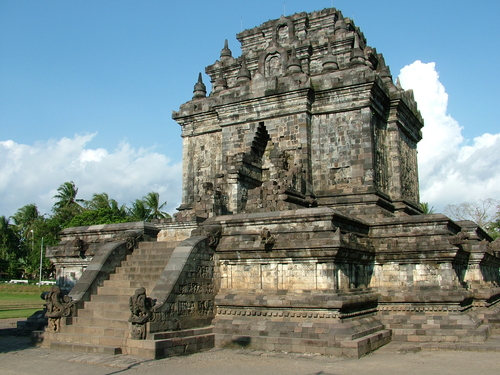

สถาปัตยกรรมจันทิเมนดุต
จันทิตั้งอยู่บนฐานประทักษิณขนาดใหญ่ เรือนธาตุแบ่งออกเป็นสามเก็จ โดยเก็จประธานประดับภาพพระโพธิสัตว์ประทับนั่งอยู่บนดอกบัว ส่วนเก็จมุมประดับพระโพธิสัตว์อันยิ่งใหญ่แปดองค์ในพุทธศาสนามหายาน หรืออัษฏมหาโพธิสัตว์ ซึ่งทำให้จันทิเมนดุตกลายเป็น “มณฑล” หรือแผนภูมิจักรวาลในพุทธศาสนามหายาน ชั้นหลังคาประดับด้วยเรือนธาตุจำลองซ้อนชั้นตามแบบวิมานอินเดียใต้ แต่ประดับไปด้วยสถูปิกะตามแบบชวาภาคกลางแล้ว ซึ่งการเปลี่ยนแปลงนี้คงได้อิทธิพลมาจากพุทธศาสนาเป็นสำคัญ
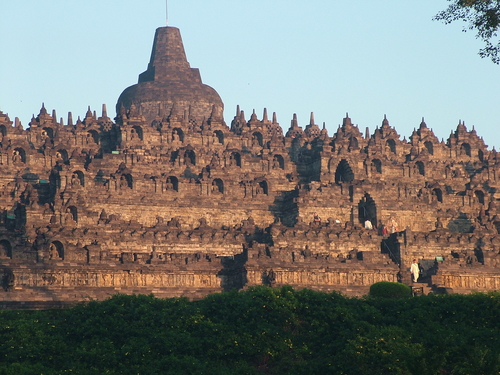
สถาปัตยกรรมบุโรพุทโธ
สถูปประกอบไปด้วยฐานสี่เหลี่ยมเพิ่มมุมจำนวนห้าชั้น แต่ละชั้นประกอบด้วยทางประทักษิณที่มีภาพเล่าเรื่องทางพุทธศาสนามหายานประดับ แต่ละด้านยังปรากฏซุ้มจระนำประดิษฐานพระธยานิพุทธทั้งสี่ด้าน แต่ละด้านปรากฏพระธยานิพุทธในมุทราต่างๆกันออกไป เช่น พระอักโษภยะแสดงปางมารวิชัยทางด้านทิศตะวันออก พระรัตนสัมภวะแสดงปางประทานพรทางด้านทิศใต้เป็นต้น ด้านบน มีฐานเขียงกลมประดิษฐานสถูปโปร่งบรรจุพระไวโรจนะซึ่งแสดงปางปฐมเทศนาและสถูปทึบตรงกลางซึ่งมหายถึงพระอาทิพุทธ
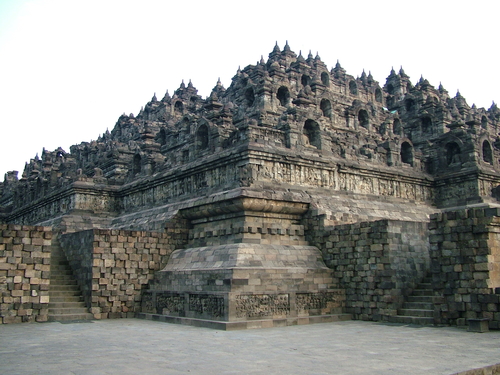
สถาปัตยกรรมฐานชั้นล่างที่บุโรพุทโธ
บุโรพุทโธสร้างขึ้นตามระบบ “มณฑล” หรือการจำลองจักรวาลในพุทธศาสนามหายาน ด้วยเหตุนี้ จึงกำหนดให้ฐานด้านล่างสุดตรงกับกามภูมิอันเป็นภูมิของคนที่มัวเมาในกิเลส โดยมีการสลักภาพตามคัมภีร์กรรมวิภังค์ อันแสดงถึงคนที่มัวเมาในกิเลส ทำดีได้ดี ทำชั่วได้ชั่ว อย่างไรก็ตาม ฐานนี้กลับถูกปกปิดไปด้วยฐานหินซึ่งมาก่อทับเพิ่มเติมทีหลัง อันแสดงการเปลี่ยนใจที่จะทำให้บุโรพุทโธมีฐานที่แบข็งแรงขึ้น
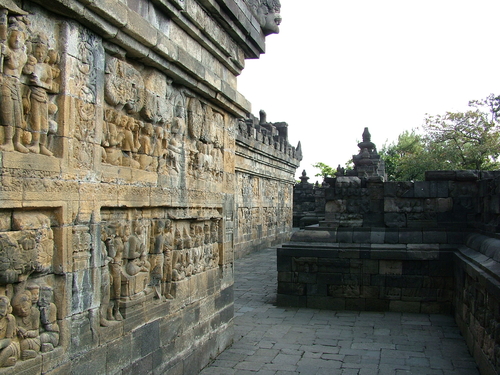
สถาปัตยกรรมทางประทักษิณและภาพสลักเล่าเรื่องที่บุโรพุทโธ
สถูปประกอบไปด้วยฐานสี่เหลี่ยมเพิ่มมุมจำนวนห้าชั้น แต่ละชั้นประกอบด้วยทางประทักษิณที่มีภาพเล่าเรื่องทางพุทธศาสนามหายานประดับ ภาพเล่าเรื่องเหล่านี้ มีภาพเล่าเรื่องตามคัมภีร์ลลิตวิสตระ คัมภีร์ชาดกและอวทาน (ระเบียงชั้นล่าง) และคัมภีร์คัณฑวยุหสูตร (ระเบียงชั้นที่ 2-4) ซึ่งทั้งหมดนี้นอกจากสลักขึ้นเพื่อให้ผู้ศรัทธาได้เรียนรู้เรื่องราวทางพุทธศาสนาขณะเดินประทักษิณแล้ว ยังเป็นการบ่งบอกภพภูมิต่างๆในพุทธศาสนามหายานซึ่งถูกจำลองที่บุโรพุทโธอีกด้วย
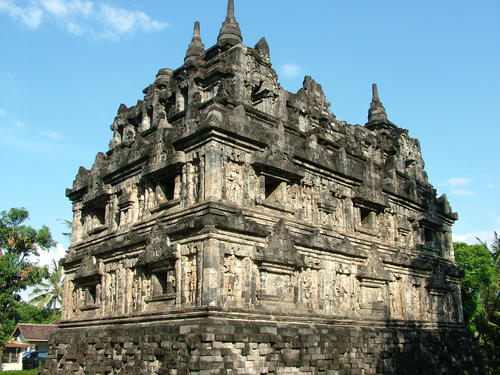
สถาปัตยกรรมจันทิส่าหรี
จันทิส่าหรี เป็นจันทิในแผนผังสี่เหลี่ยมผืนผ้าซึ่งไม่ปรากฏมาก่อนในศิลปะชวาระยะก่อนหน้า ภายในปรากฏห้องจำนวน 3 ห้องและซ้อนกัน 2 ชั้นโดยเคยมีพื้นชั้นสองเป็นแผ่นไม้มาก่อน อาคารแบบนี้คงจำลองมาจากอาคารแบบพื้นเมืองชวาเอง และอาจเคยใช้ในการประดิษฐานพระพุทธเจ้าในห้องกลางและพระโพธิสัตว์ในห้องข้าง อนึ่ง นอกจากที่นี่แล้ว จันทิในแผนผังสี่เหลี่ยมผืนผ้ายังปรากฏอีกที่จันทิเพลาสัน
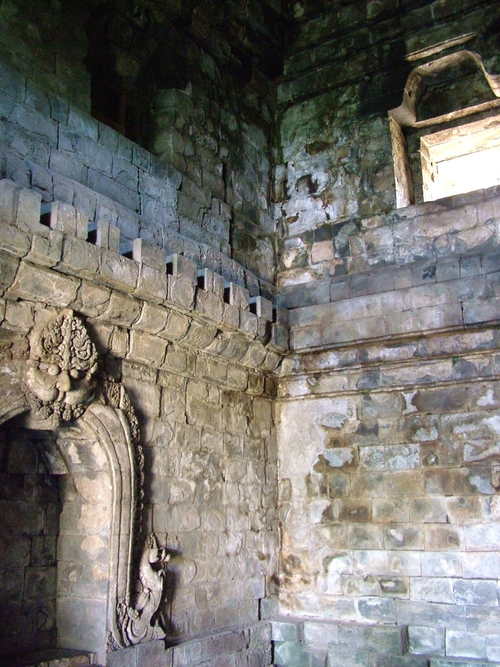
สถาปัตยกรรมภายในจันทิส่าหรี
จันทิส่าหรี เป็นจันทิในแผนผังสี่เหลี่ยมผืนผ้าซึ่งไม่ปรากฏมาก่อนในศิลปะชวาระยะก่อนหน้า ภายในปรากฏห้องจำนวน 3 ห้องและซ้อนกัน 2 ชั้นโดยเคยมีพื้นชั้นสองเป็นแผ่นไม้มาก่อน อาคารแบบนี้คงจำลองมาจากอาคารแบบพื้นเมืองชวาเอง และอาจเคยใช้ในการประดิษฐานพระพุทธเจ้าในห้องกลางและพระโพธิสัตว์ในห้องข้าง จากภาพ จะเห็นว่าภายในอาคารปรากฏคิ้วหินสำหรับการรองรับพื้นชั้นสองซึ่งสูญหายไปแล้ว ลักษณะเช่นนี้ย่อมแสดงว่าจันทิดังกล่าวเคยมีสองชั้น
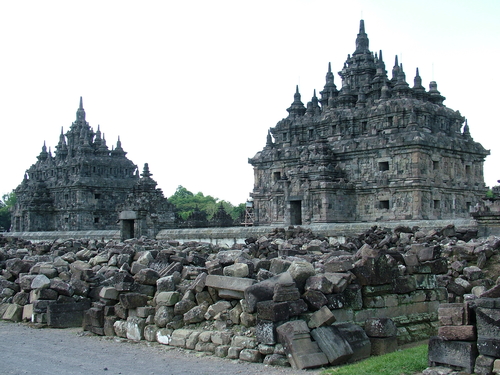
สถาปัตยกรรมจันทิเพลาสัน
จันทิเพลาสัน เป็นจันทิในแผนผังสี่เหลี่ยมผืนผ้าเช่นเดียวกับจันทิส่าหรี ภายในปรากฏห้องจำนวน 3 ห้องและซ้อนกัน 2 ชั้นโดยเคยมีพื้นชั้นสองเป็นแผ่นไม้มาก่อนเช่นเดียวกับจันทิส่าหรี อาคารแบบนี้คงจำลองมาจากอาคารแบบพื้นเมืองชวาเอง และอาจเคยใช้ในการประดิษฐานพระพุทธเจ้าในห้องกลางและพระโพธิสัตว์ในห้องข้างอนึ่ง ประเด็นที่แตกต่างไปจากจันทิส่าหรีก็คือ ที่นี่มีการสร้างจันทิประธานในผังสี่เหลี่ยมผืนผ้าถึงสองหลัง นอกจากนี้ยังปรากฏจันทิบริวารขนาดเล็กล้อมรอบ ซึ่งทำให้แผนผังของจันทิกลายเป็นมณฑลคล้ายจันทิเซวู
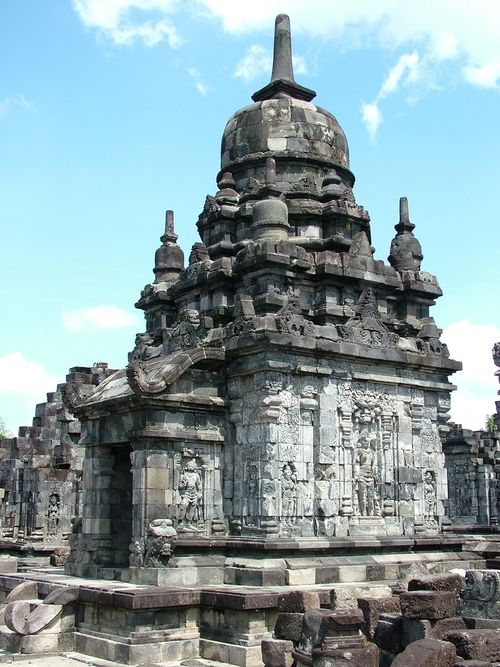
สถาปัตยกรรมจันทิหลังบริวาร: จันทิเซวู
แผนผังรวมของจันทิเซวูประกอบด้วยจันทิประธานตรงกลางซึ่งล้อมรอบด้วยจันทิบริวารจำนวนมาก แผนผังจันทิเซวูอยู่จึงในระบบ “มณฑล” หรือการจำลองจักรวาลที่เต็มไปด้วยที่ประทับของพระพุทธเจ้า พระโพธิสัตว์และเทพเจ้าในตำแหน่งต่างๆ อนึ่ง ชื่อจันทิเซวู ซึ่งแปลว่าจันทิพันหลัง ซึ่งคงได้มาจากจันทิบริวารจำนวนมากนั่นเอง แม้ว่าแท้จริงแล้วจะมีเพียง 240 หลังก็ตามจันทิบริวารเหล่านี้ คงมีต้นเค้ามาจากห้องกุฏิจำนวนมากที่วงเป็นรูปสี่เหลี่ยมที่ล้อมรอบอาคารประธานที่ปหรรปุระในศิลปะปาละ แต่จันทิเซวูกลับออกแบบให้จันทิแต่ละหลังตั้งอยู่แยกออกจากกันเป็นอิสระ ยอดของจันทิบริวารเหล่านี้ประกอบด้วยอาคารจำลองยอดสถูปิกะ ถัดขึ้นไปเป็นฐานบัวยกเก็จเพื่อรองรับสถูปยอดที่มีสถูปิกะบริวารประดับอยู่สี่หรือแปดทิศ อนึ่ง ความซับซ้อนเช่นนี้ถือว่าเป็นลักษณะเฉพาะในศิลปะชวาภาคกลางตอนปลาย