ค้นหางานศิลปกรรม
ฐานข้อมูลศิลปกรรมในเอเชียตะวันออกเฉียงใต้
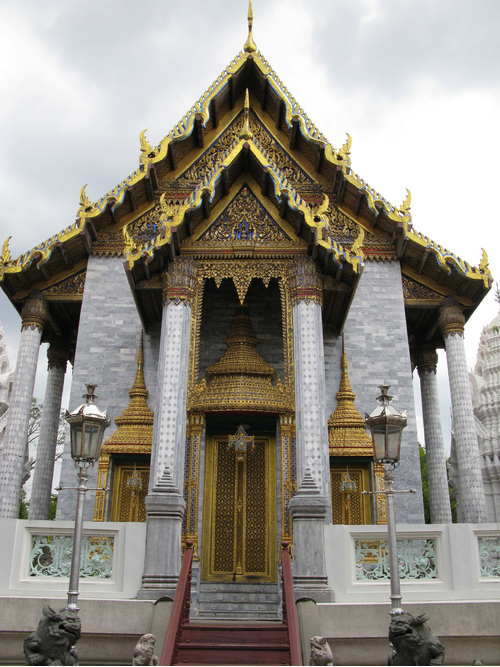

สถาปัตยกรรมวัดราชประดิษฐสถิตมหาสีมาราม
ภายในวัดราชประดิษฐสถิตมหาสีมารามมีสถาปัตยกรรมที่สำคัญหลายแห่ง แบ่งเป็นพื้นที่เขตพุทธาวาสและสังฆาวาส ในส่วนพุทธาวาสมีอาคารสำคัญ ได้แก่ พระวิหารหลวงที่มีรูปแบบอย่างไทยประเพณี ตัวอาคารประดับด้วยหินอ่อน หลังคาเครื่องไม้มุงกระเบื้องประดับเครื่องลำยอง หน้าบันเป็นรูปพระมหามงกุฎและพระขรรค์ประดิษฐานบนพานแว่นฟ้า เบื้องล่างมีรูปช้างสำคัญ ขนาบด้วยฉัตร เบื้องหลังพระวิหารหลวงเป็นที่ตั้งของ ปาสาณเจดีย์ ซึ่งเป็นเจดีย์ประธานของวัด มีรูปแบบเป็นเจดีย์ทรงระฆังแบบพระราชนิยมในรัชกาลที่ 4 สร้างจากหินอ่อน นอกจากนี้ยังมีอาคารสำคัญอื่นอีก เช่น หอพระจอม รูปแบบและแผนผังของวัดที่มีองค์ประกอบหลักอย่างเรียบง่ายคือพระวิหารและพระเจดีย์เช่นนี้ พบได้ในวัดที่สร้างขึ้นตามพระราชประสงค์ของรัชกาลที่ 4 ส่วนเขตสังฆาวาสของวัดนี้ซึ่งเป็นที่อยู่ของสงฆ์นั้นมีข้อกำหนดไว้ว่าเป็นเขตหวงห้ามสำหรับสตรี
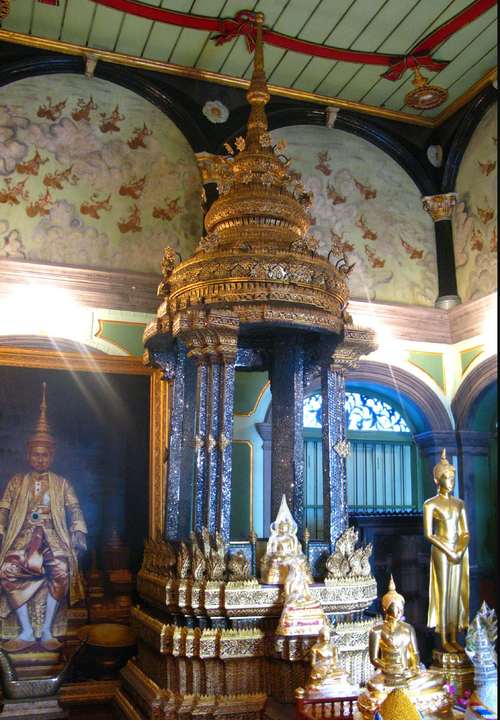
ประติมากรรมบุษบกธรรมาสน์ยอดทรงมงกุฎ
บุษบกธรรมาสน์ยอดทรงมงกุฎประกอบด้วยส่วนฐาน ส่วนกลาง และส่วนยอด ส่วนฐานเป็นฐานสิงห์เพิ่มมุมซ้อนชั้นโดยมีท้องไม้ยืดสูง ด้านหน้ามีชั้นลดสำหรับพระสงฆ์ขึ้นสู่ธรรมาสน์ ส่วนกลางมีลักษณะโปร่ง ประกอบด้วยเสาย่อมุมไม้สิบสองที่ 4 มุมของบุษบก รองรับส่วนยอดทรงมงกุฎที่ประกอบด้วยชั้นเกี้ยวรัดเกล้าซ้อนลดหลั่น 3 ชั้น แต่ละชั้นประดับดอกไม้ไหว ถัดขึ้นไปเป็นปลียอดเรียวแหลม
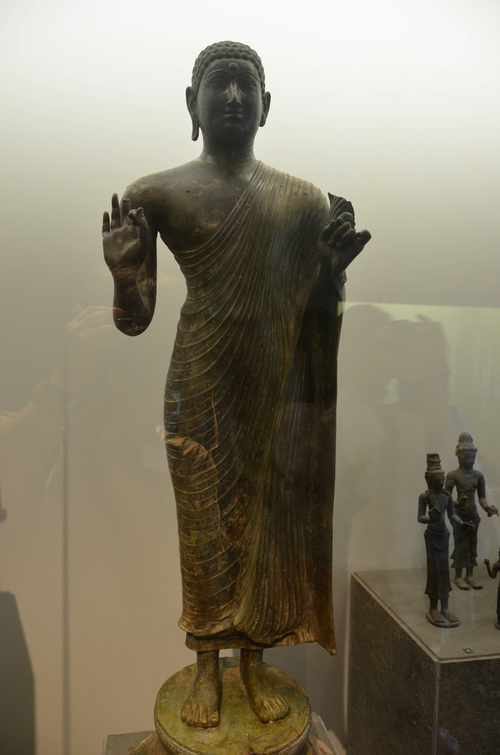

ประติมากรรมพระพุทธรูปจากปราสาทดงเดือง
พระพุทธรูปมีลักษณะตามอย่างศิลปะอมราวดีหรือลังกา กล่าวคือมีอุษณีษะต่ำ พระเกศาขมวดก้นหอย ห่มจีวรเฉียง จีวรเป็นริ้วทั้งองค์ มีขอบจีวรหนายกขึ้นมาพาดพระกรซ้ายเป็นรูปสามเหลี่ยม พระพุทธรูปยกพระหัตถ์ขวาแสดงวิตรรกมุทราและยกพระหัตถ์ซ้ายขึ้นมาจับชายจีวรขนานกันกับพระหัตถ์ขวา รูปแบบทั้งหมดนี้แสดงว่าพระพุทธรูปองค์นี้อาจะเป็นของนำเข้ามาจากอินเดียใต้หรือลังกา


สถาปัตยกรรมเจดีย์มินกุน
เป็นเจดีย์ทรงปราสาทที่มีเรือนธาตุขนาดใหญ่ เป็นแท่งทึบตัน เพื่อรองรับชั้นหลังคาและศิขระขนาดใหญ่เช่นเดียวกัน อย่างไรก็ตาม น่าเสียดายที่การสร้างเจดีย์องค์นี้ต้องล้มเลิกไปภายหลังการสวรรคตของพระเจ้าปดุง ทำให้ชั้นเรือนธาตุเท่านั้นที่เสร็จสมบูรณ์

สถาปัตยกรรมรูปจำลองของเจดีย์มินกุน
เนื่องจากเจดีย์เมืองมินกุนองค์จริงสร้างไม่สำเร็จ เราจำเป็นต้องศึกษาภาพเต็มของเจดีย์องค์นี้จากรูปจำลองซึ่งตั้งอยู่ไม่ไกลจากเจดีย์องค์จริง เจดีย์จำลององค์นี้ปรากฏยอดศิขระและยอดเจดีย์บนยอดของเรือนธาตุซึ่งแสดงให้เห็นว่า เจดีย์องค์จริงอาจตั้งใจที่จะมียอดศิขระเช่นกัน

สถาปัตยกรรมเจดีย์ชินบยูเม
เป็นเจดีย์ที่สร้างขึ้นเพื่อจำลองจักรวาลตามคติทางพุทธศาสนา อันประกอบด้วยเจดีย์จุฬามณีบนยอดเขาพระสุเมรุ บันไดสำหรับการเสด็จลงจากดาวดึงส์ วิมานของเทวดาบนสวรรค์และที่อยู่ของมนุษย์ต่างๆเช่นนาคที่ตีนเขาพระสุเมรุ สัตตบริภันฑ์ซึ่งได้แก่กำแพงในผังกลมรายรอบเจดีย์ประธาน เจดีย์องค์นี้ถือเป็นการจำลองจักรวาลที่สมบูรณ์ที่สุดในศิลปะพม่า อนึ่ง การจำลองจักรวาลนั้นดูเหมือนว่าเป็นที่นิยมเฉพาะในศิลปะอมรปุระ-มัณฑเลเท่านั้น ไม่เคยปรากฏมาก่อนในศิลปะพุกาม
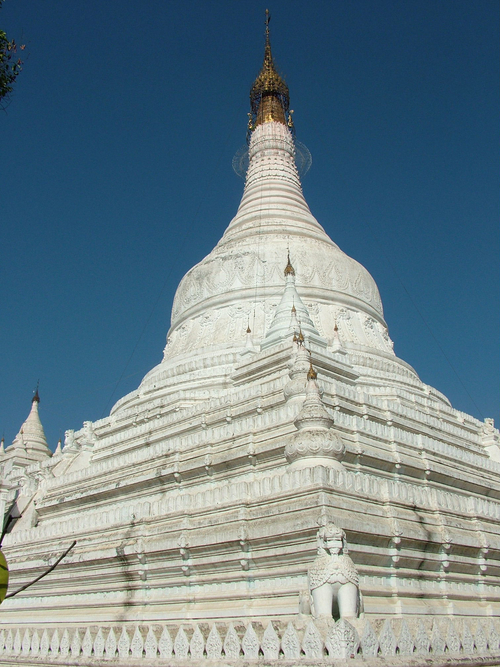
สถาปัตยกรรมเจดีย์ปาโตดอจี
เจดีย์รองรับด้วยฐานสี่เหลี่ยมเพิ่มมุมจำนวนสามชั้น แต่ละชั้นมีลวดบัวคล้ายคลึงกับฐานในศิลปะพุกาม เช่นการคาดลูกแก้วสองเส้นซึ่งมีภาพเล่าเรื่องอยู่ตรงกลาง กึ่งกลางฐานมีบันไดขึ้นไปสู่ทางประทักษิณด้านบนซึ่งมีทั้งสามชั้น องค์ระฆังประดับด้วยหน้ากาลคายพวงมาลัย ปล้องไฉนเป็นทรงกรวยสูงรอบรับปลีซึ่งยืดสูงเช่นกัน ลักษณะทั้งหมดนี้คล้ายคลึงกับเจดีย์พุกามมากยกเว้นปล้องไฉนและปลีซึ่งยืดสูงกล่าวศิลปะพุกาม เจดีย์องค์นี้มีความพยายามในการเลียนแบบศิลปะพุกามอย่างมาก ซึ่งถือเป็นแนวโน้มโดยทั่วไปในศิลปะอมรปุระ-มัณฑเล

สถาปัตยกรรมเจดีย์จอกตอจี
เจดีย์จอกตอจีถือเป็นเจดีย์จำลองอานันทเจดีย์ที่งดงามที่สุดในศิลปะอมรปุระ เจดีย์มียอดศิขระซ้อนด้วยยอดเจดีย์เช่นเดียวกับศิลปะพุกาม นอกจากนี้ยังมีความพยายามในการแบ่งเก็จตามแบบศิขระพุกามอีกด้วย ที่ด้านทั้งสี่ปรากฏมุขยื่นออกมาสี่ทิศและลวดลายหน้าบันที่ประดับด้วยมกรและเคล็กตั้งตรงตามแบบพุกาม อย่างไรก็ตาม รายละเอียดการตกแต่งอื่นๆ กลับแตกต่างไปจากศิลปะพุกามพอสมควร อนี่ง ศิลปะอมรปุระ-มัณฑเล มีความพยายามในการเลียนแบบศิลปะพุกามอย่างมาก ดังปรากฏในหลายตัวอย่าง แสดงให้เห็นว่าสถาปนิกชาวพม่าในสมัยหลังยกย่องศิลปะพุกามว่าเป็นจุดสูงสุดของศิลปะพม่า