ค้นหางานศิลปกรรม
ฐานข้อมูลศิลปกรรมในเอเชียตะวันออกเฉียงใต้
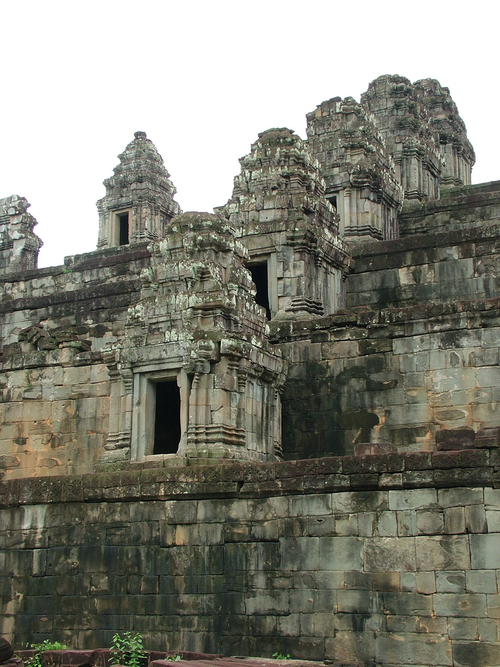

สถาปัตยกรรมปราสาทบริวาร : ปราสาทบาแค็ง
ปราสาทบาแค็งเป็นปราสาทบนฐานเป็นชั้น สร้างขึ้นบนภูเขาหินธรรมชาติ ด้วยเหตุนี้ปราสาทจึงสามารถสร้างด้วยหินทั้งหลังได้ แตกต่างไปจากปราสาทบากองที่ฐานเป็นชั้นสร้างอยู่บนพื้นราบ ปราสาทประกอบด้วยปราสาทบนยอดจำนวน 5 หลัง และปราสาทขนาดเล็กอีกจำนวน 60 หลังที่ฐานทั้งห้าชั้น ทุกหลักประดิษฐานศิวลึงค์ตามลัทธิไศวนิกายและหันหน้าไปทางทางทิศตะวันออกอันเป็นทิศมงคล เมื่อรวมปราสาทที่ด้านล่างแล้วนักวิชาการประมาณกันว่าปราสาทแห่งนี้มีจำนวนถึง 108 หลัง อันเป็นเลขมงคลในศาสนาฮินดู


สถาปัตยกรรมปราสาทมิเซิน D
ปราสาทมิเซิน D มีสองหลังสำคัญคือ ปราสาทมิเซิน D1 และปราสาทมิเซิน D2 ทั้งสองหลังเป็นมณฑปภายนอกกำแพงของปราสาทมิเซินกลุ่ม B และ C มีลักษณะเป็นสี่เหลี่ยมผืนผ้ายาว ด้านบนคงสร้างขึ้นด้วยหลังคาเครื่องไม้มุงกระเบื้องซึ่งไม่หลงเหลืออยู่แล้วในปัจจุบัน ด้านข้างประดับด้วยเสาติดผนัง ซุ้มประติมากรรมสลับกับหน้าต่างที่ประดับด้วยลูกมะหวด
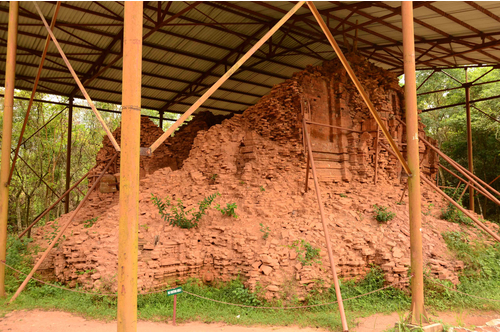
สถาปัตยกรรมปราสาทมิเซิน F
ปราสาทมิเซิน F เป็นปราสาทที่เก่าแก่ที่สุดหลังหนึ่งในกลุ่มโบราณสถานที่มิเซิน ลวดลายที่ประดับปราสาทมีความคล้ายคลึงกับศิลปะอินเดียและศิละขอมสมัยก่อนเมืองพระนครอย่างมาก ทำให้สามารถกำหนดอายุได้ว่าอาจมีอายุอยู่ในราวพุทธศตวรรษที่ 13
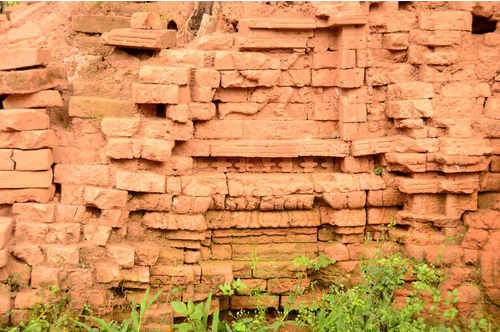
สถาปัตยกรรมรายละเอียดฐานปราสาทมิเซิน F
ฐานของปราสาทมิเซิน F มีลวดลายที่คล้ายคลึงกับศิลปะอินเดียและศิลปะขอมสมัยก่อนเมืองพระนครอย่างมาก อันได้แก่ลายบุคคลเหาะในช่อง และภาพลูกกรงหรือเวทิกา ซึ่งทำให้สามารถกำหนดอายุได้ว่าอาจมีอายุอยู่ในราวพุทธศตวรรษที่ 13
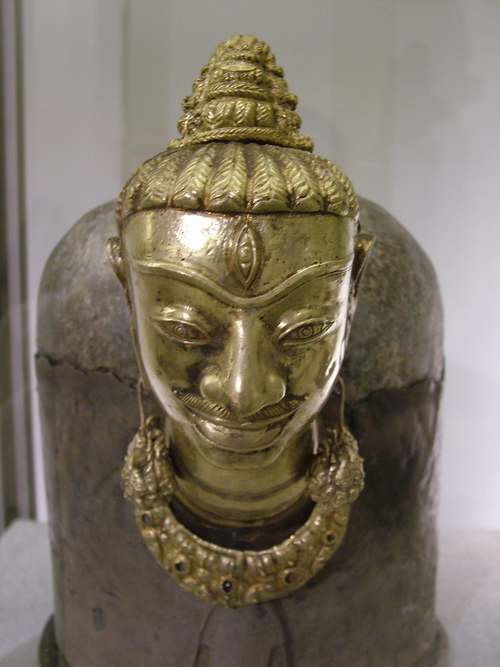
ประติมากรรมครอบมุขลึงค์
มุขลึงค์นี้แสดงให้เห็นศิลปะพื้นเมืองดงเดืองอย่างชัดเจน โดยเฉพาะพระพักตร์ของประติมากรรมองค์นี้ที่มีพระโอษฐ์หนา พระนาสิกใหญ่พระเนตรโปน พระขนงต่อกันเป็นปีกกาและมีพระมัสสุตามแบบพื้นเมืองพระพักตร์แบบพื้นเมืองนี้แตกต่างอย่างมากไปจากพระพักตร์แบบอินเดียชวา-ซึ่งปรากฏมาก่อนในศิลปะมิเซิน E1 และจะปรากฏอีกในศิลปะมิเซิน A1 บางครั้ง ศิวลึงค์ที่ทำด้วยวัสดุปกติก็อาจถูกครีอบด้วย “ครอบโลหะมีค่า” ซึ่งทำให้ศิวลึงค์นั้นๆดูศักดิ์สิทธิ์ขึ้น ครองโลหะนั้นอาจหล่อด้ยทอดแดง เงินหรือทองคำก็ได้
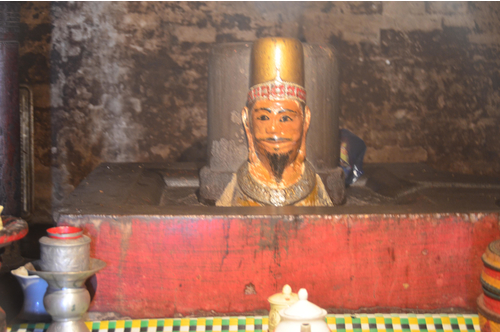
ประติมากรรมมุขลึงค์ประธานในปราสาทโพกลวงการาย
พระเศียรของพระศิวะที่มุขลึงค์ประธานของปราสาทโพกลวงการาย มีลักษณะสำคัญตามแบบศิลปะในสมัยหลังโดยทั่วไป กล่าวคือ พระพักตร์มีเคราตามอิทธิพลจีน/เวียดนาม และสวมมงกุฎเป็นทรงกระบอกซึ่งถือเป็นมงกุฎหนึ่งในสองแบบที่นิยมในศิลปะสมัยหลัง มงกุฎอีกแบบหนึ่งที่นิยมในระยะนี้ก็คือแบบกระบังหน้า