ค้นหางานศิลปกรรม
ฐานข้อมูลศิลปกรรมในเอเชียตะวันออกเฉียงใต้
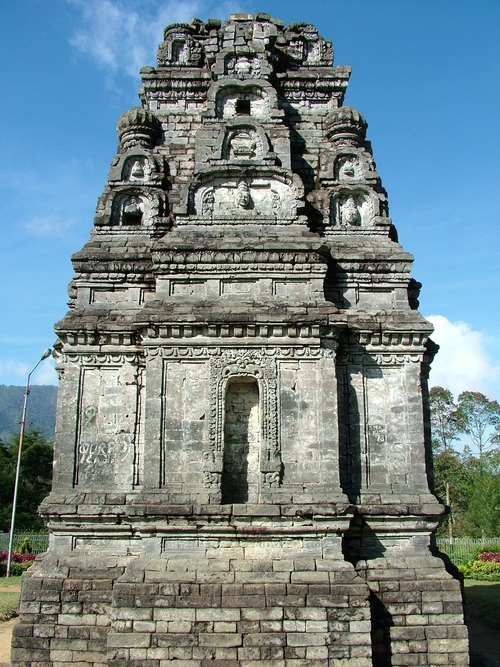

สถาปัตยกรรมจันทิภีมะ
จันทิหลังนี้ ถือเป็นจันทิแบบศิขระที่ได้รับอิทธิพลมาจากศิลปะอินเดียเหนือเพียงแห่งเดียวในศิลปะชวา โดยที่ยอดประกอบด้วยเก็จจำนวน 3 เก็จ แต่ละเก็จประดับด้วยกูฑุซึ่งมีหน้าบุคคลโผล่ ซึ่งคงเป็นการจำลองลวดลายควากษะในศิลปะอินเดียเหนือ ส่วนที่เก็จมุมประดับอามลกะซึ่งเกี่ยวข้องกับศิขระอินเดียเหนือเช่นกัน เส้นรอบนอกศิขระของจันทิภีมะเป็นเส้นตรง อันแตกต่างไปจากยอดของจันทิอรชุนและจันทิปุนตเทพที่เป็นขั้นบันได ภายหลังจากศิลปะชวาภาคกลางตอนต้น จันทิแบบศิขรินเยเหนือจะสูญหายไปจากความนิยมในศิลปะชวา คงเหลือแต่ยอดวิมานอินเดียใต้เท่านั้นที่จะสืบทอดไปถึงระยะหลัง
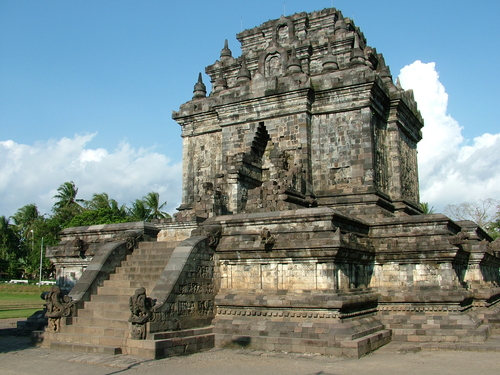
สถาปัตยกรรมจันทิเมนดุต
จันทิตั้งอยู่บนฐานประทักษิณขนาดใหญ่ เรือนธาตุแบ่งออกเป็นสามเก็จ โดยเก็จประธานประดับภาพพระโพธิสัตว์ประทับนั่งอยู่บนดอกบัว ส่วนเก็จมุมประดับพระโพธิสัตว์อันยิ่งใหญ่แปดองค์ในพุทธศาสนามหายาน หรืออัษฏมหาโพธิสัตว์ ซึ่งทำให้จันทิเมนดุตกลายเป็น “มณฑล” หรือแผนภูมิจักรวาลในพุทธศาสนามหายาน ชั้นหลังคาประดับด้วยเรือนธาตุจำลองซ้อนชั้นตามแบบวิมานอินเดียใต้ แต่ประดับไปด้วยสถูปิกะตามแบบชวาภาคกลางแล้ว ซึ่งการเปลี่ยนแปลงนี้คงได้อิทธิพลมาจากพุทธศาสนาเป็นสำคัญ
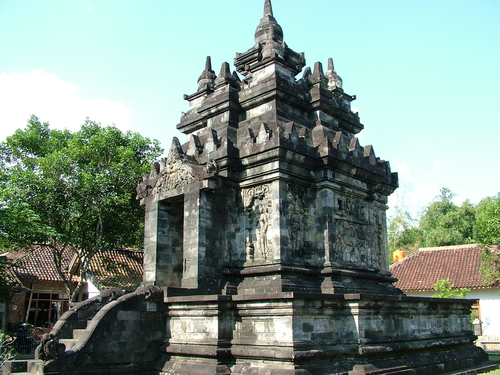
สถาปัตยกรรมจันทิปะวน
จันทิหลังนี้ ถือเป็นจันทิขนาดเล็กที่งดงามที่สุดในศิลปะชวาภาคกลางตอนกลาง จันทิตั้งอยู่บนฐานประทักษิณเช่นเดียวกับจันทิเมนดุต แบ่งออกเป็นสามเก็จ เก็จประธานมีภาพต้นกัลปพฤกษ์สื่อถึงความอุดมสมบูรณ์ ส่งเก็จมุมเป็นภาพพระโพธิสัตว์ยืน ชั้นหลังคาประดับด้วยสถูปิกะตามแบบชาภาคกลางตอนกลางที่ได้เปลี่ยนมานิยมสถูปิกะแทนตามความคิดทางพุทธศาสนา ราวบันไดของจันทิปะวนยังประดับด้วยลวดลายต้นกัลปพฤกษ์ซึ่งสื่อถึงการอวยพรให้ผู้ศรัทธาได้รับความอุดมสมบูร์ณเช่นเดียวกัน
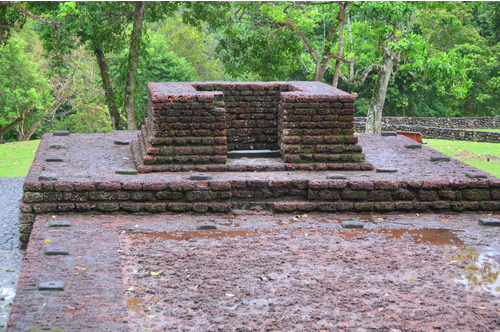

สถาปัตยกรรมจันทิเบดังดาลาม
สถาปัตยกรรมของจันทิแห่งนี้ ประกอบด้วยครรภคฤหะและมณฑป ครรภคฤหะมีลักษณะเป็นห้องสี่เหลี่ยมขนาดเล็กที่มีประตูทางเข้าเพียงทางเดียว ผนังก่ออิฐ โดยรอบมีร่องรอยของทางประทักษิณที่มีหลุมเสาสำหรับเสียบหลังคาเครื่องไม้ ด้านหน้ามีมณฑปโปร่งซึ่งมีหลุมเสาสำหรับเสียบเสารองรับหลังคาเครื่องไม้มุงกระเบื้องเช่นเดียวกัน จันทิดังกล่าวแม้จะไม่มีความซับซ้อนนักเมื่อเทียบกับศิลปะชวา แต่ก็สามารถเป็นหลักฐานถึงการเข้าของสถาปัตยกรรมอินเดียและชวาในคาบสมุทรมลายูสมัยโบราณได้เป็นอย่างดี
สถาปัตยกรรมจันทิปุนตเทพ
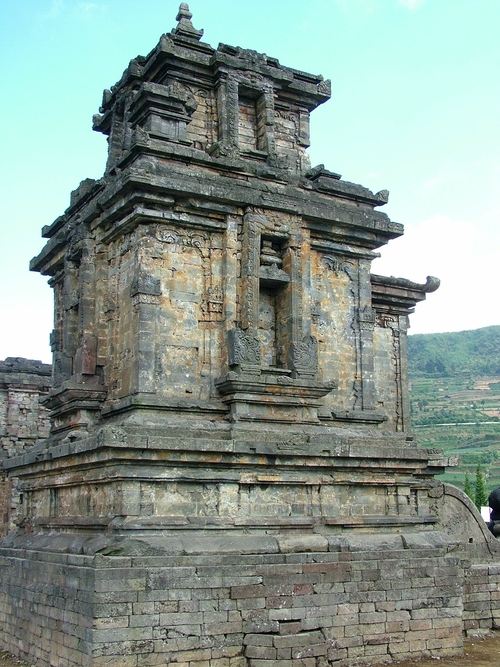
จันทิมีลักษณะคล้ายคลึงกับวิมานในศิลปะอินเดียใต้อย่างมาก กล่าวคือ เป็นจันทิในผังครรภคฤหะ มีมุขสั้นๆยื่นออกมาทางด้านหน้า เรือนธาตุประดับด้วยเสาติดผนังสี่ต้นแบ่งผนังออกเป็นสามส่วน (เก็จประธานและเก็จมุม) ชั้นหลังคามีเรือนธาตุจำลอง (ตละ) ซ้อนชั้นขึ้นไป ที่มุมประดับด้วยอาคารจำลอง (หาระ) การที่เส้นรอนอกของยอดมีลักษณะเป็นขั้นบันไดนั้นคล้ายคลึงกับวิมานในศิลปะอินเดียใต้อย่างมาก ลักษณะพิเศษเพิ่มเติมของจันทิหลังนี้ก็คือการปรากฏลวดลายตกแต่งซุ้มจระนำที่เก็จประธานเป็นรูปกรอบสี่เหลี่ยม และการตกแต่งเก็จมุมด้วยเสาและซุ้มซึ่งทั้งหมดนี้ไม่ปรากฏมาก่อนกับจันทิอรชุน
สถาปัตยกรรมฐานชั้นล่างที่บุโรพุทโธ
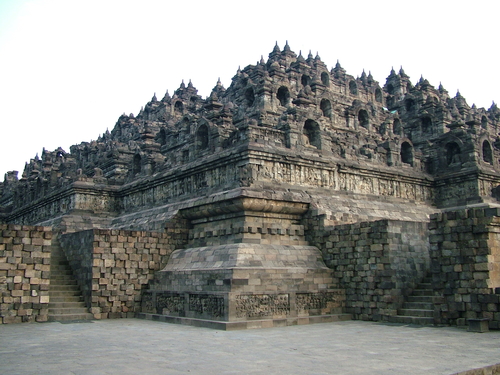
บุโรพุทโธสร้างขึ้นตามระบบ “มณฑล” หรือการจำลองจักรวาลในพุทธศาสนามหายาน ด้วยเหตุนี้ จึงกำหนดให้ฐานด้านล่างสุดตรงกับกามภูมิอันเป็นภูมิของคนที่มัวเมาในกิเลส โดยมีการสลักภาพตามคัมภีร์กรรมวิภังค์ อันแสดงถึงคนที่มัวเมาในกิเลส ทำดีได้ดี ทำชั่วได้ชั่ว อย่างไรก็ตาม ฐานนี้กลับถูกปกปิดไปด้วยฐานหินซึ่งมาก่อทับเพิ่มเติมทีหลัง อันแสดงการเปลี่ยนใจที่จะทำให้บุโรพุทโธมีฐานที่แบข็งแรงขึ้น
สถาปัตยกรรมจันทิกะลาสัน
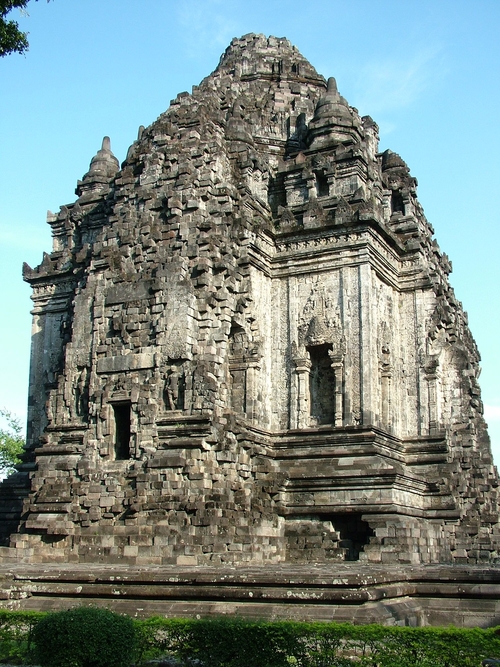
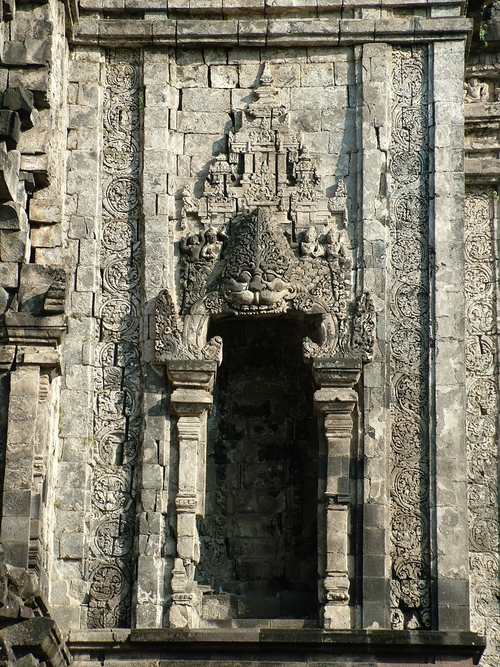
จันทิกะลาสัน เป็นตัวอย่างจันทิในแผนผังห้าห้องแห่งแรกๆในศิลปะชวาภาคกลางตอนปลาย ซึ่งจะปรากฏอีกกับจันทิเซวูและจันทิปรัมบะนัน ผังห้าห้องนี้ทำให้เกิดอาคารในผังกากบาทขึ้นซึ่งคงเกี่ยวข้องกับศิลปะปาละมาก่อน เรือนธาตุหลักยังคงแบ่งออกเป็นสามเก็จ โดยเก็จประธานได้กลายเป็น “อาคารประกบ” ตามระบบ “ปราสาทซ้อนปราสาท” ส่วนเก็จมุมมีเสาติดผนังขนาบซุ้มทรงปราสาทที่งดงามที่สุดแห่งหนึ่งในศิชปะชวาภาคกลาง ด้านบนยอดเป็นการซ้อนชั้นตามแบบวิมานอินเดียใต้ อย่างไรก็ตามเรือนธาตุจำลองกลับอยู่ในผังแปดเหลี่ยมซึ่งไม่เคยปรากฏมาก่อนในระยะก่อนหน้า โดยรอบมี “อาคารจำองยอดสถูปิกะ” ประดับ ซึ่งถือเป็นลักษณะที่โดดเด่นในศิลปะชวาภาคกลางตอนปลาย
สถาปัตยกรรมซุ้มจระนำที่จันทิกะลาสัน
จันทิกะลาสัน เป็นตัวอย่างจันทิในแผนผังห้าห้องแห่งแรกๆในศิลปะชวาภาคกลางตอนปลาย ซึ่งจะปรากฏอีกกับจันทิเซวูและจันทิปรัมบะนัน ผัวห้าห้องนี้ทำให้เกิดอาคารในผังกากบาทขึ้นซึ่งคงเกี่ยวข้องกับศิลปะปาละมาก่อน เรือนธาตุหลักยังคงแบ่งออกเป็นสามเก็จ โดยเก็จประธานได้กลายเป็น “อาคารประกบ” ตามระบบ “ปราสาทซ้อนปราสาท” ส่วนเก็จมุมมีเสาติดผนังขนาบซุ้มทรงปราสาทที่งดงามที่สุดแห่งหนึ่งในศิชปะชวาภาคกลาง ด้านบนยอดเป็นการซ้อนชั้นตามแบบวิมานอินเดียใต้ อย่างไรก็ตามเรือนธาตุจำลองกลับอยู่ในผังแปดเหลี่ยมซึ่งไม่เคยปรากฏมาก่อนในระยะก่อนหน้า โดยรอบมี “อาคารจำองยอดสถูปิกะ” ประดับ ซึ่งถือเป็นลักษณะที่โดดเด่นในศิลปะชวาภาคกลางตอนปลาย