ค้นหางานศิลปกรรม
ฐานข้อมูลศิลปกรรมในเอเชียตะวันออกเฉียงใต้
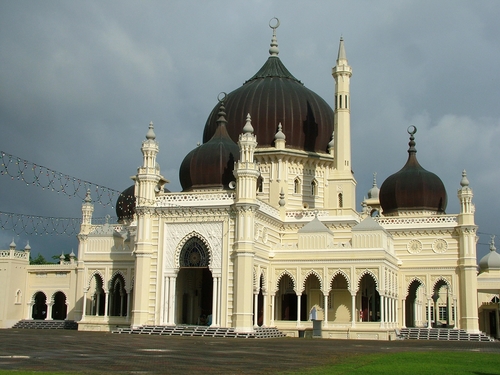

สถาปัตยกรรมมัสยิดซาฮีร์
มัสยิดซาฮีร์ เป็นมัสยิดที่ผสมผสานกับระหว่างศิลปกรรมอิสลามหลายสกุล โดยโดมประธานเป็นโดมที่มีกลีบดอกไม้คว่ำอยู่ด้านบนตามแบบศิลปะโมกุลของอินเดีย แต่มีอาร์คที่มีเสากลมเล็กและประกอบด้วยวงโค้งเล็กๆหลายวงตามแบบศิลปะมัวร์ของสเปน การผสมผสานกันระหว่างศิลปะโมกุลและศิลปะมัวร์ดูเหมือนจะเป็นที่นิยมในศิลปะสมัยอาณานิคมอังกฤษที่พยายามเอาลักษณะเด่นของศิลปะอิสลามในพื้นทีต่างๆมาผสมผสานกัน
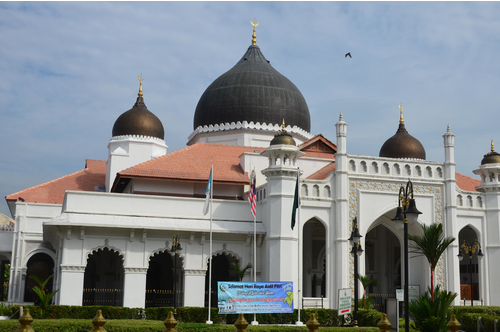
สถาปัตยกรรมมัสยิดกปิตันกลิง
มัสยิดกปิตันกลิง เป็นมัสยิดที่ได้รับแรงบันดาลใจจากศิลปะโมกุลของอินเดียเป็นหลัก ทั้งการจัดวางโดมสามโดมเรียงกัน โดยโดมประธานเป็นโดมที่มีกลีบดอกไม้คว่ำอยู่ด้านบน การใช้แผงด้านหน้า (pishtaq) เป็นรูปอาร์คโค้งในกรอบสี่เหลี่ยม การใช้หอคอยซึ่งมีฉัตรี (Chhatri) ระดับอยู่ด้านบน ทั้งหมดนี้เป็นศิลปะโมกุลที่สถาปนิกอังกฤษได้นำเข้ามาเผยแพร่ในมาเลเซีย เป็นไปได้ที่สถาปนิกผู้ออกแบบมัสยิดพยายามที่จะแสดงความเป็นอินเดียให้มากที่สุดเพื่อให้ตอบรับกับประวัติที่ว่าผู้สร้างมัสยิดคนแรกเป็นชาวอินเดีย
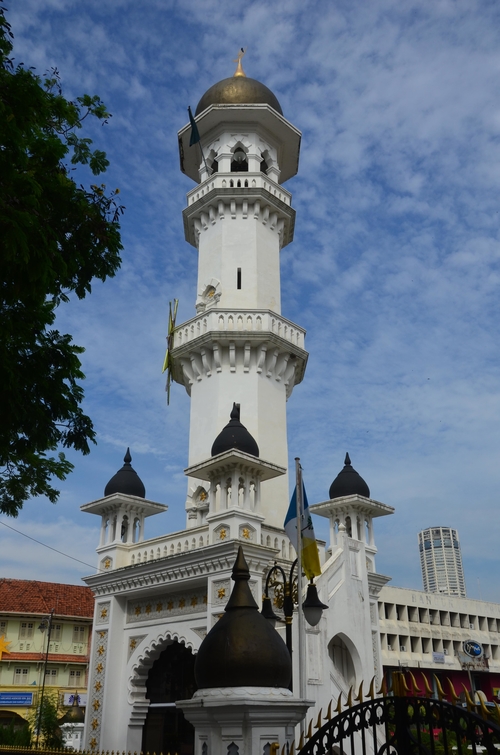
ประติมากรรมหอคอยของมัสยิดกปิตันกลิง
มัสยิดกปิตันกลิง เป็นมัสยิดที่ได้รับแรงบันดาลใจจากศิลปะโมกุลของอินเดียเป็นหลัก เป็นไปได้ที่สถาปนิกผู้ออกแบบมัสยิดพยายามที่จะแสดงความเป็นอินเดียให้มากที่สุดเพื่อให้ตอบรับกับประวัติที่ว่าผู้สร้างมัสยิดคนแรกเป็นชาวอินเดียด้วยเหตุนี้ หอคอยซึ่งแสดงอิทธิพลศิลปะโมกุลอย่างชัดเจน เช่น หอคอยทรงแปดเหลี่ยมที่ประกอบด้วยระเบียงหลายชั้น ด้านบนสุดเป็นฉัตรี (Chhatri) ซึ่งหมายถึงอาคารแปดเหลี่ยมที่มีเสาแปดต้นรอบรับโดมขนาดเล็ก
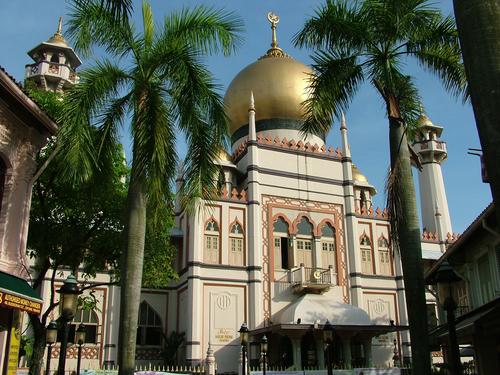

สถาปัตยกรรมมัสยิดสุลต่าน
อิทธิพลแบบอินเดียและมัวร์ที่ปรากฏในมัสยิดแห่งนี้สามารถเปรียบเทียบได้กับมัสยิดหลายหลังในมาเลเซียซึ่งสร้างขึ้นโดยสถาปนิกชาวอังกฤษเช่นเดียวกัน ลักษณะแบบอินเดียนั้น ได้แก่ลักษณะของโดมซึ่งมีคอทรงกระบอก และการมีกลีบดอกไม้ประดับไปด้านบนโม รวมถึงระเบียบการประดับฉัตรีไว้ที่ด้านบนหอคอย อย่างไรก็ตาม อาร์ควงโค้งหลายวงต่อเนื่องกันที่ปรากฏในส่วนกลางของมัสยิด กลับแสดงให้เห็นอิทธิพลแบบสเปน
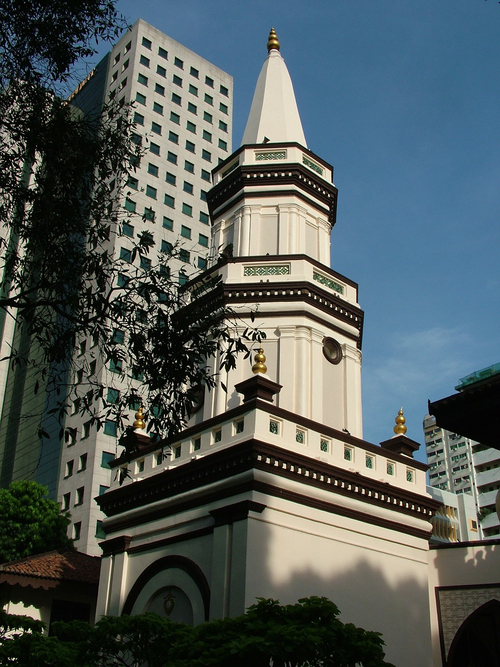
สถาปัตยกรรมมัสยิดฮัญญะฮฺ ฟาติมะฮฺ
เป็นมัสยิดที่น่าสนใจมากเนื่องจากผสมผสานระหว่างศิลปะอินเดียแบบโมกุลและศิลปะยุโรป โดยเฉพาะหอคอยของมัสยิดซึ่งสร้างเป็นแบบตะวันตก คือเป็นหอคอยแปดเหลี่ยมที่มียอดเป็นทรงกระโจมแหลมคล้ายคลึงกับหอคอยของโบสถ์ในศาสนาคริสต์เป็นอย่างมาก ทั้งหมดนี้เกิดขึ้นจากการออกแบบของสถาปนิกชาวอังกฤษ
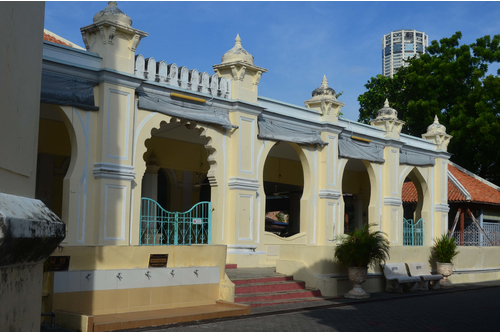
สถาปัตยกรรมมัสยิดมลายู
อาคารมัสยิดมลายู มีลักษณะตามแบบเอเชียอาคเนย์ที่ไม่นิยมสร้างโดมแต่สร้างเป็นหลังคาเครื่องไม้มุงกระเบื้อง เป็นหลังคาลาดเพื่อให้เหมาะกับสภาพภูมิอากาศที่มีฝนตกชุกตลอดปี อย่างไรก็ตาม แผงด้านหน้าของอาคารกลับใช้อาร์คแบบมัวร์ของสเปนเข้ามาผสมผสาน โดยเป็นอาร์คแบบวงโค้งเกือกม้าซึ่งแสดงให้เห็นถึงอิทธิพลแบบสเปนที่เข้ามาพร้อมกับสถาปนิกชาวอังกฤษในสมัยอาณานิคม
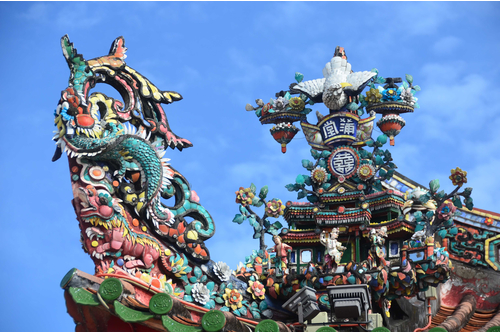
สถาปัตยกรรมลวดลายประดับ : ศาลเจ้าคูกงสี
บ้านประจำตระกูลคูแห่งนี้ก็ได้รับการสลักเสลาและมีลวดลายตกแต่งอย่างอลังการ ภายนอกตกแต่งด้วยกระเบื้องเคลือบสีต่างๆตามความนิยมในศิลปะจีนภาคใต้ กระเบื้องเคลือบเหล่านี้ มีทั้งตัดเป็นชินเล็กๆแล้วมาประกอบใหม่ หรือแบบที่ทำสำเร็จรูปมาเพื่อประกอบเป็นอาคารหรือเรื่องราว

สถาปัตยกรรมโบสถ์เซนต์จอร์จ
ตัวโบสถ์สร้างขึ้นโดยใช้องค์ประกอบทางสถาปัตยกรรมแบบคลาสิก เช่น หน้าบันสามเหลี่ยม เสาดอกริก เป็นต้น โดนมีแผนผังที่วางอย่างสมมาตร รูปแบบของโบสถ์แห่งนี้คล้ายคลึงอย่างมากกับโบสถ์เซนต์จอร์จที่เมืองเจนไนในประเทศอินเดีย