ค้นหางานศิลปกรรม
ฐานข้อมูลศิลปกรรมในเอเชียตะวันออกเฉียงใต้
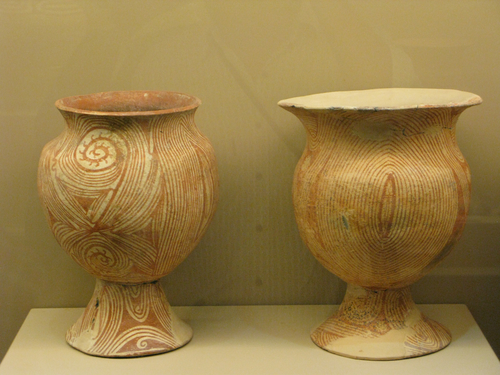

ประติมากรรมภาชนะดินเผาบ้านเชียง
เป็นภาชนะดินเผาในหลุมฝังศพที่พบได้จากการขุดค้นในแหล่งโบราณคดีบ้านเชียง สามารถแบ่งประเภทได้ดังนี้1.สมัยต้น มีอายุระหว่าง 4,300-3,000 ปีมาแล้วเป็นอย่างน้อยระยะที่ 1 มีภาชนะดินเผาประเภทเด่นคือ ภาขนะดินเผาสีดำ-เทาเข้ม มีเชิงหรือฐานเตี้ยๆ ลำตัวภาชนะครึ่งบนมักตกแต่งด้วยลายขีดเป็นเส้นคดโค้ง แล้วตกแต่งเพิ่มเติมด้วยการกดจุดหรือเป็นเส้นสั้นๆ เติมในพื้นที่ระหว่างลายเส้นคดโค้ง ส่วนครึ่งล่างของตัวภาชนะมักตกแต่งด้วยลายเชือกทาบ ซึ่งหมายถึงลวดลายที่เกิดจากการกดประทับผิวภาชนะดินเผาด้วยเชือกนั่นเองระยะที่ 2 เริ่มปรากฏภาชนะดินเผาแบบใหม่เพิ่มขึ้นมา คือ ภาชนะดินเผาขนาดใหญ่ที่ใช้บรรจุศพเด็กก่อนที่จะนำไปฝัง นอกจากนี้ยังมีภาชนะดินเผาขนาดสามัญซึ่งมีการตกแต่งพื้นที่ส่วนใหญ่บนผิวภาชนะด้านนอกด้วยเส้นขีดเป็นลายคดโค้ง จึงดูเสมือนเป็นภาชนะที่มีปริมาณลวดลายขีดตกแต่งหนาแน่นกว่าบนภาชนะของสมัยต้นช่วงแรกระยะที่ 3 เริ่มปรากฏภาชนะแบบที่มีผนังด้านข้างตรงถึงเกือบตรง ทำให้มีรูปร่างภาชนะเป็นทรงกระบอก (beaker) และยังมีภาชนะประเภอหม้อก้นกลม คอภาชนะสั้นๆ ปากตั้งตรง ตกแต่งด้วยลายเชือกทาบตลอดทั้งใบระยะที่ 4 ปรากฏภาชนะดินเผาประเภทหม้อก้นกลม มีกลุ่มหนึ่งตกแต่งบริเวณไหล่ภาชนะด้วยลายขีดเป็นเส้นคดโค้งผสมกับการระบายด้วยสีแดง ในขณะที่ส่วนบริเวณลำตัวภาชนะช่วงใต้ไหล่ลงมาตกแต่งด้วยลายเชือกทาบ ภาชนะดินเผาแบบนี้มีการตั้งชื่อว่า “ภาชนะแบบบ้านอ้อมแก้ว” เพราะพบว่าเป็นภาชนะดินเผาประเภทหลักที่พบในชั้นอยู่อาศัยของคนยุคก่อนประวัติศาสตร์ช่วงแรกที่บ้านอ้อมแก้ว ซึ่งอยู่ไม่ไกลจากบ้านเชียง2.สมัยกลาง อายุระหว่าง 3,000-2,000 ปีมาแล้วเป็นอย่างน้อยภาชนะดินเผาขนาดใหญ่ ผิวนอกสีขาว ทำส่วนไหล่ภาชนะหักมุมหรือโค้งมากจนเกือบเป็นมุมค่อนข้างชัด มีทั้งแบบก้นกลมและก้นแหลม บางใบมีการตกแต่งด้วยลายขีดผสมกับลายเขียนสีที่บริเวณใกล้ปากภาชนะ ในช่วงปลายสุดของสมัยกลาง เริ่มมีการตกแต่งปากภาชนะดินเผารูปแบบเช่นนี้ด้วยการทาสีแดง3.สมัยปลาย อายุระหว่าง 2,300-1,800 ปีมาแล้ว ช่วงต้นของสมัยปลาย พบภาชนะดินเผาเขียนสีแดงบนพื้นสีนวลช่วงกลางของสมัยปลาย เริ่มมีการใช้ภาชนะดินเผาลายเขียนสีแดงบนพื้นสีแดงช่วงท้ายของสมัยปลาย เริ่มมีการใช้ภาชนะดินเผาทาด้วยน้ำดินสีแดงแล้วขัดมันลวดลายที่ปรากฏบนภาชนะดินเผา สามารถจำแนกได้ดังนี้1.กลุ่มลวดลายรูปร่างเรขาคณิต 2.กลุ่มลวดลายอิสระแบบดุลยภาพสมมาตร 3.กลุ่มลวดลายอิสระแบบดุลยภาพอสมมาตร ส่วนรูปแบบลวดลายที่นิยมในสมัยปลาย คือ การเขียนสีบนเคลือบน้ำดินสีนวล ลวดลายวงกลมหรือวงรี ลวดลายเส้นโค้งแบบก้นหอยวนเข้าหาจุดศูนย์กลาง ลายเส้นโค้งแบบก้นหอยวนเข้าหาจุดศูนย์กลางแล้ววนออกและลวดลายตัว S และ Z ลวดลายภาชนะแสดงถึงความพิถีพิถัน ผู้ผลิตสร้างขึ้นให้กับผู้ตายตามประเพณีความเชื่อเกี่ยวกับความตาย พื้นฐานทางความคิดของผู้สร้างสรรค์ลวดลายของชุมชนมีความร่วมกันทางวัฒนธรรม แต่ในขณะเดียวกันก็ปรากฏถึงความหลากหลายในการออกแบบ ซึ่งมีพัฒนาการในระยะแรกเริ่มจากรูปแบบเรียบง่าย ต่อมาในระยะหลังเมื่อผลิตจำนวนมากขึ้น มีความรู้ความชำนาญมากขึ้นก็พัฒนาไปสู่การสร้างลวดลายที่ซับซ้อนมากขึ้นอย่างค่อยเป็นค่อยไป
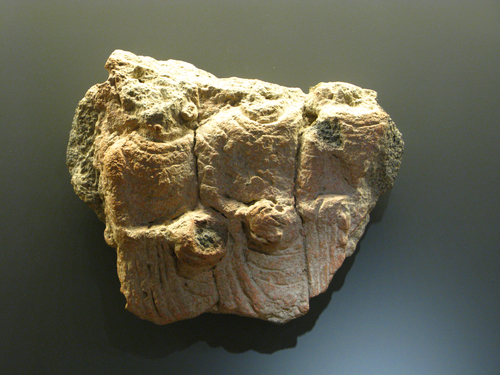
ประติมากรรมพระสงฆ์อุ้มบาตร
ประติมากรรมนูนต่ำนี้เป็นดินเผา เดิมทีใช้สำหรับประดับเจดีย์ชำรุดเสียหายมาก สังเกตเห็นได้ว่าทำเป็นรูปพระสงฆ์ 3 รูป ยืนเรียงกัน แต่ละรูปครองจีวรห่มคลุม ถือบาตรไว้ในระดับหน้าท้อง