ค้นหางานศิลปกรรม
ฐานข้อมูลศิลปกรรมในเอเชียตะวันออกเฉียงใต้
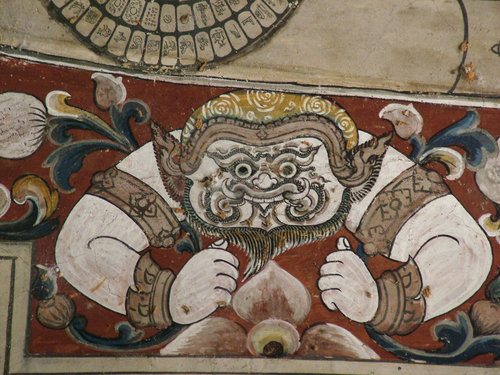

จิตรกรรมหน้ายักษ์ด้านบนเพดาน
จิตรกรรมของจอกตอจีมีประเด็นอิทธิพลไทยอย่างชัดเจนในหลายเครื่อง โดยเฉพาะการเขียนภาพเทวดาแบบไทยและหน้ายักษ์ตามแบบไทยซึ่งแสดงการเขียนพรายโอษฐ์ตามแบบหัวโขนไทยอย่างชัดเจน ทั้งนี้ เป็นไปได้ที่จิตรกรรมดังกล่าวอาจวาดขึ้นโดยช่างผู้เป็นลูกหลานของชาวสยามที่ถูกกวาดต้อนไปพม่าจากคราวเสียกรุงศรีอยุธยาครั้งที่สอง
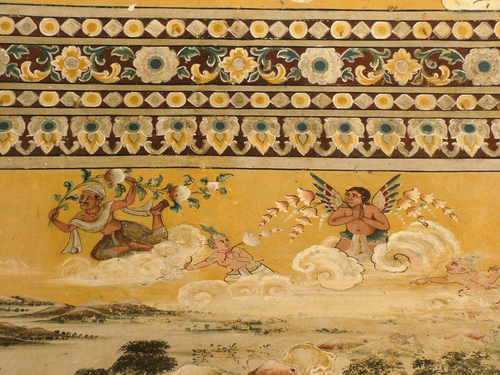
จิตรกรรมภาพบุคคลเหาะ
เนื่องด้วยอิทธิพลตะวันตก จิตรกรรมที่เจดีย์จอกตอจีจึงแสดงภาพเทวดา/ฤๅษีเหาะปะปนกับคิวปิด (cupid) ตามแบบตะวันตก ดอกไม้และลวดลายพันธุ์พฤกษาเองก็ประกอบไปด้วยใบอะแคนธัสตามแบบตะวันตกเช่นกัน รวมถึงทัศนียวิทยาของภูเขาที่เป็นฉากหลังก็แสดงความเกี่ยวข้องกับศิลปะตะวันตกอย่างมาก
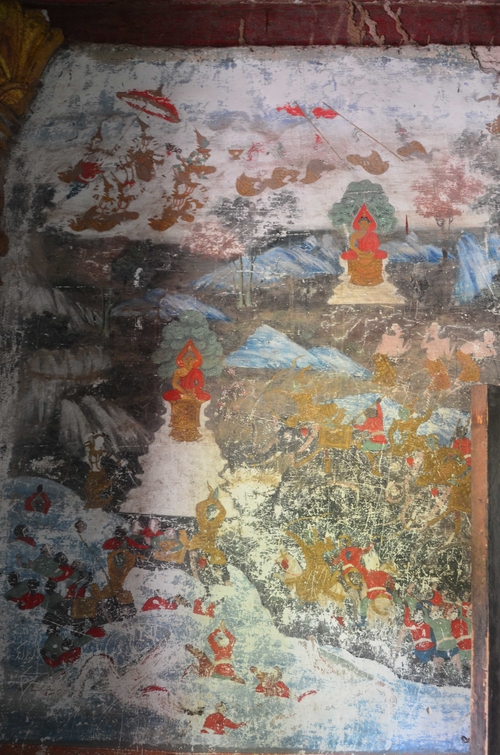

จิตรกรรมจิตรกรรมเรื่องออกมหาภิเนษกรมณ์และมารวิชัย
อิทธิพลรัตนโกสินทร์ที่ปรากฏในภาพเขียน เช่น การวาดภาพปราสาทราชวังและตัวละคร รวมถึง การวาดท้องฟ้าสีฟ้าและทัศนียวิทยาตามแบบความเป็นจริงซึ่งแสดงให้เห็นการเข้ามาของอิทธิพลตะวันตก จิตรกรรมนี้จึงอาจเกี่ยวข้องกับศิลปะรัตนโกสินทร์ในสมัย รัชกาลที่ 4-5


ประติมากรรมพญามารจากปราสาทดงเดือง
พระเจ้าอินทรวรมันที่ 2 โปรดให้สถาปนางัดลักษมีนทรโลเกศวรขึ้นเพื่ออุทิศให้กับพุทธศาสนามหายาน ปัจจุบันวัดแห่งนี้ได้แก่ปราสาทดงเดืองซึ่งถือเป็นพุทธสถานที่มีขนาดใหญ่ที่สุดในศิลปะจาม
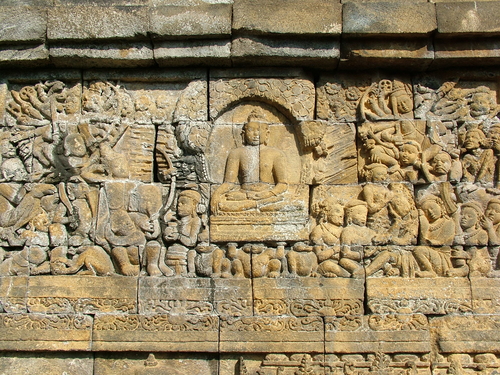

ประติมากรรมพระพุทธเจ้าทรงชนะมาร
รูปแบบศิลปะของภาพสลักที่บุโรพุทโธมีความคล้ายคลึงศิลปะอินเดียเป็นอย่างมาก ทั้งรูปแบบเครื่องแต่งกายของประติมากรรม ข้าวของเครื่องใช้ ตัวละครที่กลมกลึงและมีการเว้นพื้นที่ว่างเปล่า ทั้งหมดนี้แสดงว่าศิลปะชวาภาคกลางมีความเกี่ยวข้องอย่างมากกับศิลปะอินเดีย
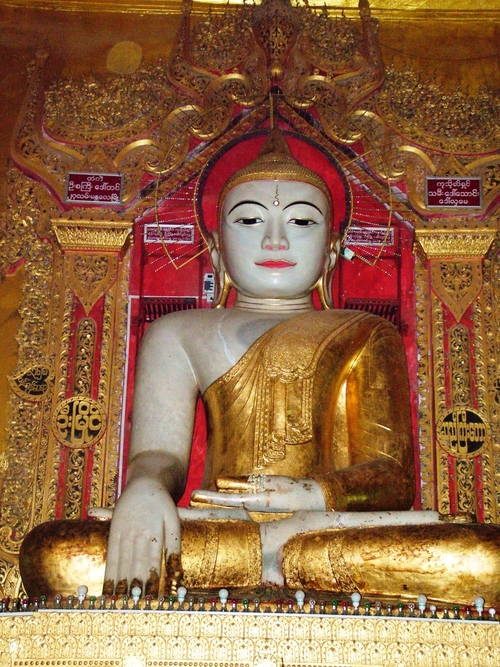
ประติมากรรมพระพุทธรูปประธานที่เจดีย์จอกตอจี
พระพุทธรูปประธานของเจดีย์จอดตอจี เป็นพระที่เป็นหัวเลี้ยวหัวต่อระหว่างแบบ “อังวะ” กับแบบ “มัณฑเล” ด้วยการที่ยังคงครองจีวรเรียบอยู่และมีชายจีวรสองชันห้อยลงมาจากพระอังสาซ้ายตามแบบอังวะ อย่างไรก็ตาม จีวรชายล่างกลับหยักทบกันไปมาตามแบบมัณฑเลแล้ว อนึ่ง พระพุทธรูปองค์นี้สร้างด้วยหินอ่อน-อลาบาสเตอร์ขนาดใหญ่ ซึ่งเป็นที่มาของชื่อ “จอกตอจี” ซึ่งแปลว่าหินใหญ่
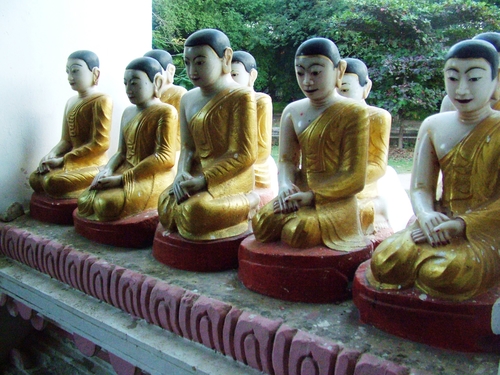
ประติมากรรมพระสาวก 80 องค์ที่เจดีย์จอกตอจี
ที่ระเบียงโดยรอบเจดีย์จอกตอจีเป็นทีประดิษฐานพระสาวกจำนวน 80 องค์ซึ่งเรียกว่าพระอสีติมหาสาวก พระสาวกเหล่านี้สร้างขึ้นจากหินอ่อน-อลาบาสเตอร์เช่นเดียวกับพระประธาน นั่งพับเพียบและประสานมือในท่าเรียบร้อย จีวรของพระเหล่านี้เป็นริ้วแล้วซึ่งแสดงแนวโน้มไปสู่ศิลปะมัณฑเล
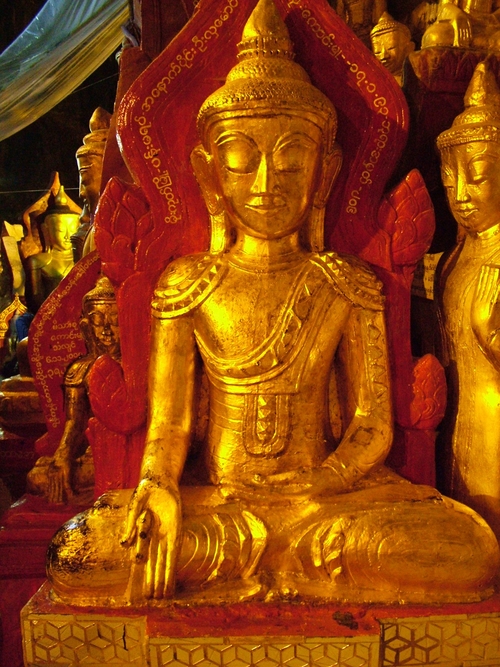
ประติมากรรมพระพุทธรูปที่ถ้ำปินดายา
พระพุทธรูปภายในถ้ำปินดายา ถือเป็นตัวอย่างของพระพุทธรูปในสกลุช่างไทยใหญ่ที่ดีที่สุด พระพุทธรูปในสกุลช่างนี้ มักมีพระเศียรใหญ่แต่พระวรกายเล็ก พระอังสาแคบ ด้านบนพระเศียรมีรัศมีรูปน้ำเต้าตามอิทธิพลจีน จีวรมีลักษณะประดิษฐ์มาก โดยประดิษฐ์มาจากชายจีวรสองชั้นของพระพุทธรูปในศิลปะอังวะ-อมรปุระ ที่พระอังสาขวามีการชักชายจีวรมาครอบตามแบบอิทธิพลจีน