ค้นหางานศิลปกรรม
ฐานข้อมูลศิลปกรรมในเอเชียตะวันออกเฉียงใต้
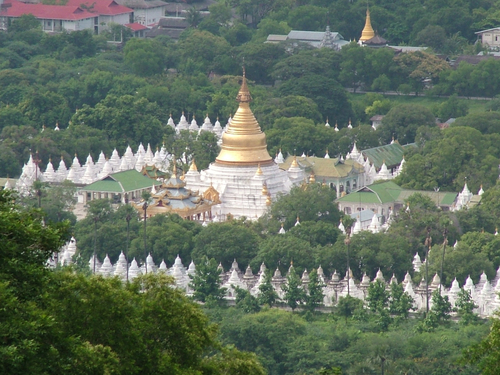

สถาปัตยกรรมวัดกุโสดอ
วัดกุโสดอ ประกอบด้วยเจดีย์ประธานซึ่งจำลองแบบมาจากเจดีย์ชเวซิกองเมืองพุกาม แวดล้อมไปด้วยเจดีย์ทรงปราสาทขนาดเล็กซึ่งประดิษฐานแผ่นจารึกพระไตรปิฎก เจดีย์เหล่านี้มีการแบ่งกลุ่มตามหมวดของพระไตรปิฎกตั้งแต่พระวินัย พระสูตรและพระอภิธรรม
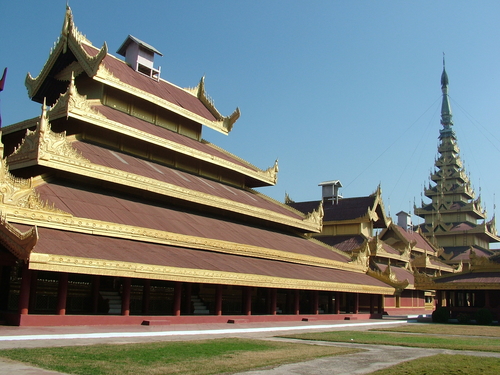
สถาปัตยกรรมพระราชวังมัณฑเลย์
พระราชวังสามารถแบ่งออกได้เป็นสามส่วนหลัก คือ มเยนานปยาทาด ปราสาทหลักอันเป็นที่ตั้งของราชบัลลังก์ เป็นที่เสด็จออกว่าราชการและทำพระราชพิธี ถัดมาด้านหลังได้แก่พื้นที่ที่ประทับส่วนพระองค์ เช่น พอพระบรรทมเป็นต้น ส่วนด้านหลังเป็นที่อยู่ของพระสนม อนึ่ง อาคารทรงปยาทาดและอาคารทรงสองคอสามชาย ถือเป็นลักษณะสำคัญของอาคารเครื่องไม้ในศิลปะอมรปุระ-มัณฑเลที่แสดงถึงอาคารฐานันดรสูง
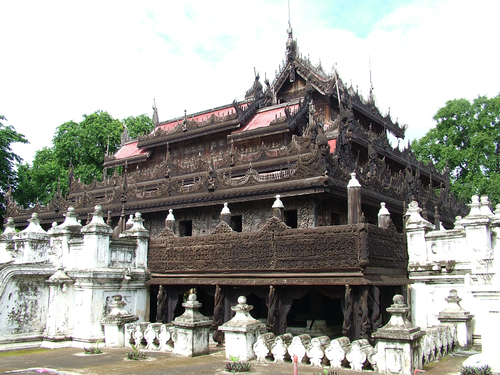
สถาปัตยกรรมวัดชเวนันดอจอ
ตำหนักไม้หลังนี้ ประกอบด้วยอาคารในผังสี่เหลี่ยมผืนผ้าซึ่งแบ่งออกเป็นสองห้อง ห้องด้านหน้าคงใช้สำหรับเสด็จออก ส่วนห้องด้านหลังคงเป็นที่ประทับส่วนพระองค์ ผนังด้านนอกอาคารมีการประดับด้วยฝาปะกนและประติมากรรมบุคคลขนาดเล็ก ส่วนชั้นหลังคาประดับด้วยปานซอยไม้ที่มีประติมากรรมบุคคลขนาดเล็กประดับอยู่จนเต็ม อาคารเดิมคงปิดทองทั้งหลัง จึงมีชื่อว่า “ชเวนันดอ” ซึ่งแปลว่าพระที่นั่งทอง อนึ่ง อาคารทรงสองคอสามชาย ถือเป็นลักษณะสำคัญของอาคารเครื่องไม้ในศิลปะอมรปุระ-มัณฑเลที่แสดงถึงอาคารฐานันดรสูง
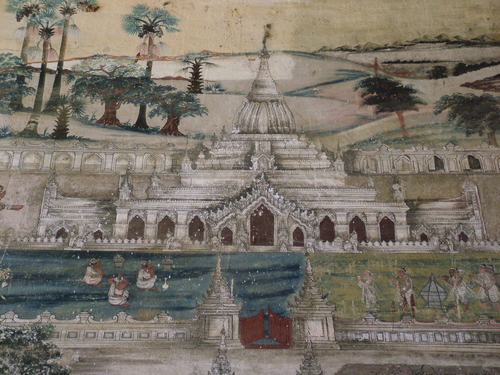
ประติมากรรมภาพวาดจำลองเจดีย์จอกตอจี
ในศิลปะอมรปุระ-มัณฑเล หรือสมัยคองบองตอนปลาย ปรากฏแนวความคิดเรื่องสัจนิยมมากขึ้นเนื่องด้วยอิทธิพลตะวันตก ด้วยเหตุนี้ จิตรกรรมการเขียนจำลองภาพเจดีย์จอกตอจีเองจึงถูกเขียนขึ้นเพื่อบ่งบอกว่าเป็นภาพเมืองอมรปุระเอง นอกจากนี้การเขียนแสงเงาอย่างสมจริง รวมถึงทิวทัศน์ด้านหลังที่มีระยะใกล้-ไกลตามหลักทัศนียวิทยา ก็แสดงการเปลี่ยนแปลงในด้านความคิดของจิตรกรในระยะนี้เช่นกัน
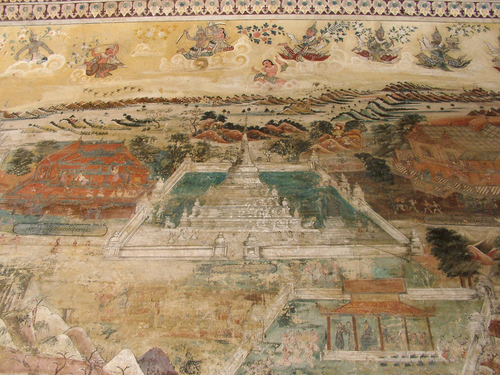
จิตรกรรมภาพวาดจำลองเจดีย์
ในศิลปะอมรปุระ-มัณฑเล หรือสมัยคองบองตอนปลาย ปรากฏแนวความคิดเรื่องสัจนิยมมากขึ้นเนื่องด้วยอิทธิพลตะวันตก ด้วยเหตุนี้ จิตรกรรมการเขียนจำลองภาพเจดีย์ซึ่งมีจริงจึงถูกเขียนขึ้นเพื่อบ่งบอกว่าเป็นภาพวาดของเมืองใดเมืองหนึ่ง นอกจากนี้การเขียนแสงเงาอย่างสมจริง รวมถึงทิวทัศน์ด้านหลังที่มีระยะใกล้-ไกลตามหลักทัศนียวิทยา ก็แสดงการเปลี่ยนแปลงในด้านความคิดของจิตรกรในระยะนี้เช่นกัน

จิตรกรรมพระพุทธบาทบนเพดาน
ลักษณะทางศิลปกรรมดูเหมือนว่าจิตรกรที่เจดีย์จอกตอจีมีความคิดที่ก้าวหน้าในการเขียนภาพจักรวาลวิทยาตามแบบสมัยใหม่ โดยการจัดดาวต่างๆเป็นหมู่ดาวตามแบบสมัยใหม่ มีการวาดภาพเพื่อให้สามารถจินตนาการได้ง่ายว่าหมู่ดาวต่างๆคือหมู่ดาวอะไร และมีการเขียนชื่อกำกับไว้ด้วย การวาดหมู่ด้าวไว้ที่เจดีย์จอกตอจี อาจเพื่อให้เจดีย์องค์นี้กลายเป็นศูนย์กลางจักรวาลอย่างแท้จริง
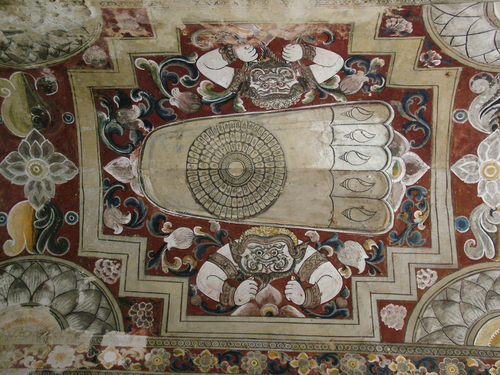
จิตรกรรมพระพุทธบาทบนเพดาน
ดูเหมือนว่าจิตรกรที่เจดีย์จอกตอจีมีความคิดที่ก้าวหน้าในการเขียนภาพจักรวาลวิทยาตามแบบสมัยใหม่ โดยการจัดดาวต่างๆเป็นหมู่ดาวตามแบบสมัยใหม่ มีการวาดภาพเพื่อให้สามารถจินตนาการได้ง่ายว่าหมู่ดาวต่างๆคือหมู่ดาวอะไร และมีการเขียนชื่อกำกับไว้ด้วย การวาดหมู่ด้าวไว้ที่เจดีย์จอกตอจี อาจเพื่อให้เจดีย์องค์นี้กลายเป็นศูนย์กลางจักรวาลอย่างแท้จริง

จิตรกรรมเทวดาด้านบนเพดาน
จิตรกรรมของจอกตอจีมีประเด็นอิทธิพลไทยอย่างชัดเจนในหลายเครื่อง โดยเฉพาะการเขียนภาพเทวดาแบบไทยและหน้ายักษ์ตามแบบไทยซึ่งแสดงการเขียนมงกุฎ กรรเจียกและพรายโอษฐ์ตามแบบหัวโขนไทยอย่างชัดเจน ทั้งนี้ เป็นไปได้ที่จิตรกรรมดังกล่าวอาจวาดขึ้นโดยช่างผู้เป็นลูกหลานของชาวสยามที่ถูกกวาดต้อนไปพม่าจากคราวเสียกรุงศรีอยุธยาครั้งที่สอง