ค้นหางานศิลปกรรม
ฐานข้อมูลศิลปกรรมในเอเชียตะวันออกเฉียงใต้


จิตรกรรมทวารบาลแบบจีน สิมวัดล่องคูณ
เนื่องจากศิลปะหลวงพระบางช่วงพุทธศตวรรษที่ 24 เป็นระยะที่ได้รับอิทธิพลรัตนโกสินทร์อย่างมาก ทำให้รูปทวารบาลแบบจีนตามพระราชนิยมในรัชกาลที่สามได้เข้ามาปรากฏในแถบนี้บางวัด เช่น วัดล่องคูณเมืองหลวงพระบาง เป็นต้น อนึ่ง ต้องไม่ลืมว่า การที่เจ้านายบางพระองค์ในราชวงศ์หลวงพระบางได้เคยเสด็จมาประทับ ณ กรุงเทพจึงอาจทำให้อิทธิพลรัตนโกสินทร์ปรากฏบทบาทอย่างมากในแถบนี้ก็ได้

จิตรกรรมจิตรกรรมเรื่องพระเตมีย์
อิทธิพลรัตนโกสินทร์ที่ปรากฏในภาพเขียน เช่นการวาดภาพปราสาทราชวังและตัวละคร รวมถึง การวาดท้องฟ้าสีฟ้าและทัศนียวิทยาตามแบบความเป็นจริงซึ่งแสดงให้เห็นการเข้ามาของอิทธิพลตะวันตก จิตรกรมนี้จึงอาจเกี่ยวข้องกับศิลปะรัตนโกสินทร์ในสมัย รัชกาลที่ 4-5
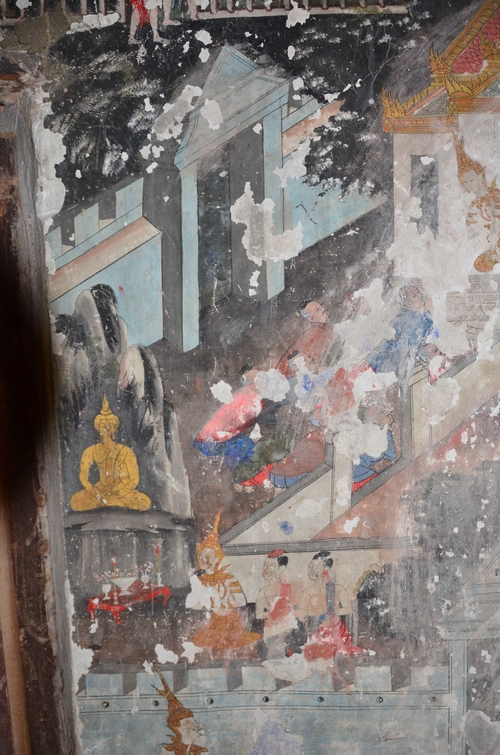
จิตรกรรมจิตรกรรมเรื่องอิเหนา (?)
ศิลปกรรม อิทธิพลรัตนโกสินทร์ที่ปรากฏในภาพเขียน เช่น การวาดภาพปราสาทราชวังและตัวละคร จิตรกรมนี้จึงอาจเกี่ยวข้องกับศิลปะรัตนโกสินทร์ในสมัยรัชกาลที่ 4-5
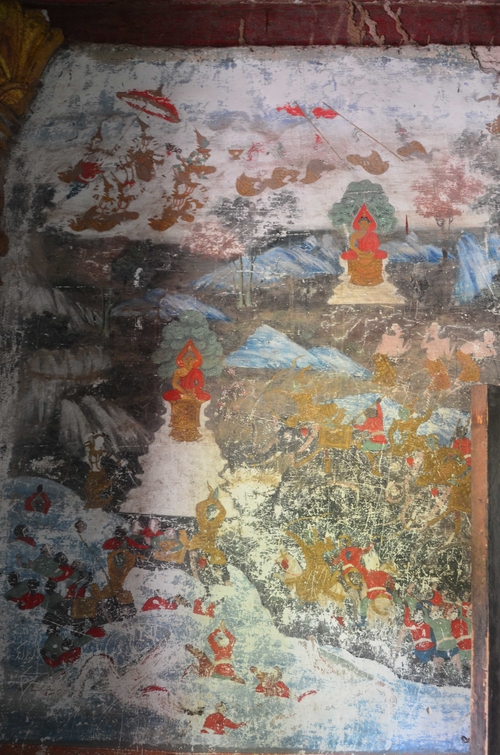
จิตรกรรมจิตรกรรมเรื่องออกมหาภิเนษกรมณ์และมารวิชัย
อิทธิพลรัตนโกสินทร์ที่ปรากฏในภาพเขียน เช่น การวาดภาพปราสาทราชวังและตัวละคร รวมถึง การวาดท้องฟ้าสีฟ้าและทัศนียวิทยาตามแบบความเป็นจริงซึ่งแสดงให้เห็นการเข้ามาของอิทธิพลตะวันตก จิตรกรรมนี้จึงอาจเกี่ยวข้องกับศิลปะรัตนโกสินทร์ในสมัย รัชกาลที่ 4-5
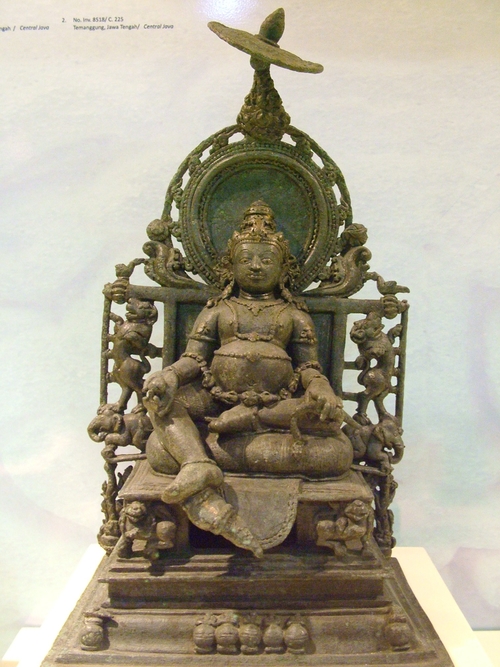

ประติมากรรมท้าวกุเวรสำริด
ประติมากรรมสำริดขนาดเล็กในศิลปะชวาภาคกลาง คงเคยเป็นประติมากรรมส่วนตัวของพระภิกษุมาก่อน ทางด้านรูปแบบแล้วมีความคล้ายคลึงกับศิลปะปาละอย่างมาก ทั้งเครื่องแต่งกาย ประติมานวิทยาและรูปแบบบัลลังก์-แผ่นหลังประติมากรรมสำริดชิ้นนี้มีรูปแบบบัลลังก์ที่คล้ายคลึงกับศิลปะปาละอย่างมาก โดยเฉพาะการประดับอามลกะและหงส์ที่คานนอก และวยาลเหยียบช้าง ประภามณฑลมีเปลวไฟและมีฉัตรประดับ ท่แท่นบัลลังก์มีผ้าทิพย์รูปวงโค้ง
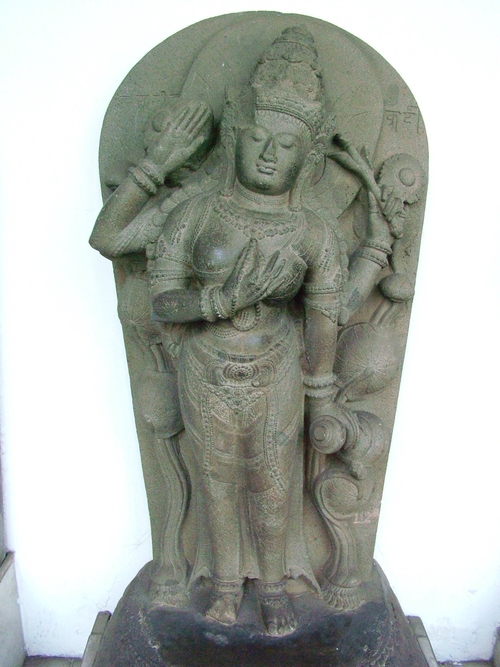
ประติมากรรมภฤกุฎี
ในระยะต้นของศิลปะชวาภาคตะวันออก ประติมากรรมยังคล้ายคลึงกับประติมากรรมในศิลปะชาภาคกลาง อย่างไรก็ตาม ที่แผ่นหลังเริ่มประดับด้วย “ใบบัว” ซึ่งถือเป็นลักษณะเฉพาะของสมัยนี้ นอกจากนี้ ประติมากรรมยังถูกตกแต่งด้วยสร้อยเพชรพลอยและอุบะไข่มุกมากขึ้น
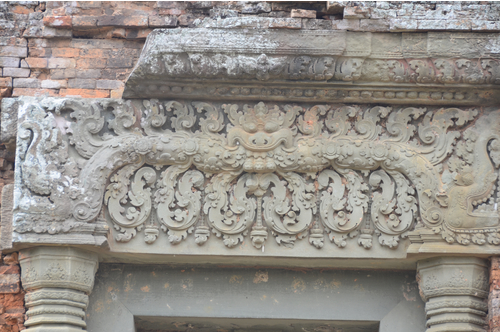

ประติมากรรมทับหลัง
ทับหลังในสมัยกุเลนจะมีลักษณะรับอิทธิพลมาจากศิลปะชวา กล่าวคือการทำหน้ากาลอยู่กึ่งกลางด้านบนของท่อนพวงมาลัย ปลายทั้งสองข้างทำเป็นมกรหันหน้าออก ตามแบบซุ้มกาล-มกรตามศิลปะชวาภาคกลาง ท่อนพวงมาลัยมีการทำลายใบไม้ตั้งขึ้น ห้อยลงตามแบบศิลปะกำพงพระ เหรียญทรงกลมจากศิลปะกำพงพระปรับเปรียบเป็นลายดอกไม้กลม ใต้ท่อนพวงมาลัยระหว่างช่องใบไม้ตกลงปรากฏการทำพวงอุบะแทรกอยู่
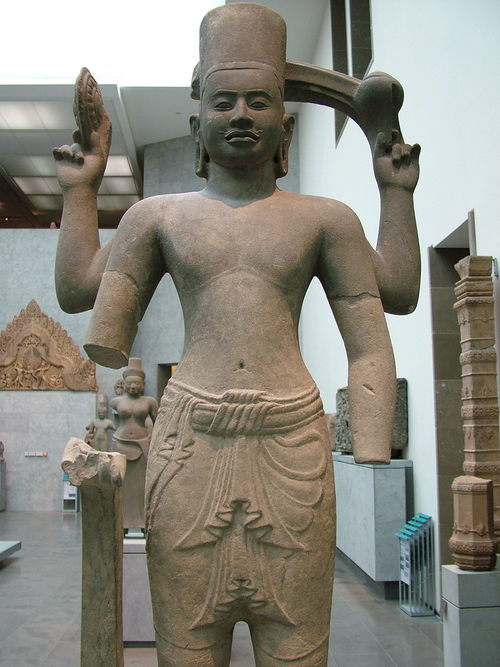
ประติมากรรมพระวิษณุ
พระวิษณุทรงสวมหมวกทรงกระบอกทรงสูงตามแบบศิลปะก่อนเมืองพระนคร ทรงมี 4 กร พระหัตถ์บนถือจักรและสังข์ พระหัตถ์ล่างทรงถือกระบองและธรณี ทรงนุ่งผ้าแบบสมพต โดยปรากฏชายผ้ารูปหางปลาปลายแตกเป็นเขี้ยวขาบสองชาย ซึ่งชายผ้าเขี้ยวตะขาบด้านล่างเป็นความสับสนของช่าง ซึ่งแท้จริงแล้วคือส่วนที่เป็นชายพกตลบกลับขึ้นไป