ค้นหางานศิลปกรรม
ฐานข้อมูลศิลปกรรมในเอเชียตะวันออกเฉียงใต้
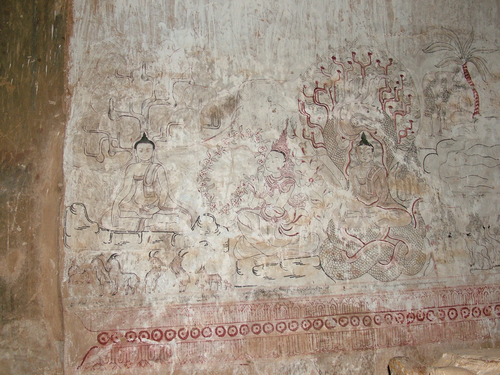

จิตรกรรมพุทธประวัติตอนสัตตมหาสถาน
จิตรกรรมที่นี่ดูเหมือนว่าจะเป็นลายเส้นบนพื้นสีครีม พระพุทธองค์ทรงมีชาวจีวรสองชั้นพาดพระอังสาซ้าย คือ ชายจีวรสั้นกับชายจีวรยาว ซึ่งถือเป็นลักษณะสำคัญของศิลปะสมัยหลังพุกาม
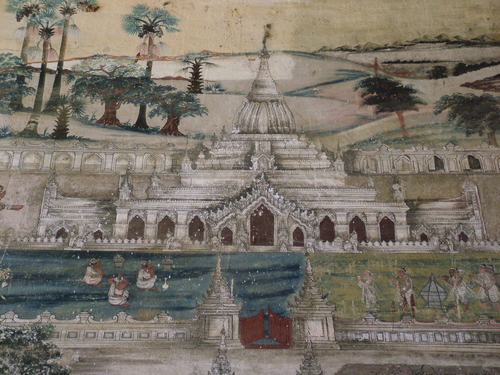
ประติมากรรมภาพวาดจำลองเจดีย์จอกตอจี
ในศิลปะอมรปุระ-มัณฑเล หรือสมัยคองบองตอนปลาย ปรากฏแนวความคิดเรื่องสัจนิยมมากขึ้นเนื่องด้วยอิทธิพลตะวันตก ด้วยเหตุนี้ จิตรกรรมการเขียนจำลองภาพเจดีย์จอกตอจีเองจึงถูกเขียนขึ้นเพื่อบ่งบอกว่าเป็นภาพเมืองอมรปุระเอง นอกจากนี้การเขียนแสงเงาอย่างสมจริง รวมถึงทิวทัศน์ด้านหลังที่มีระยะใกล้-ไกลตามหลักทัศนียวิทยา ก็แสดงการเปลี่ยนแปลงในด้านความคิดของจิตรกรในระยะนี้เช่นกัน
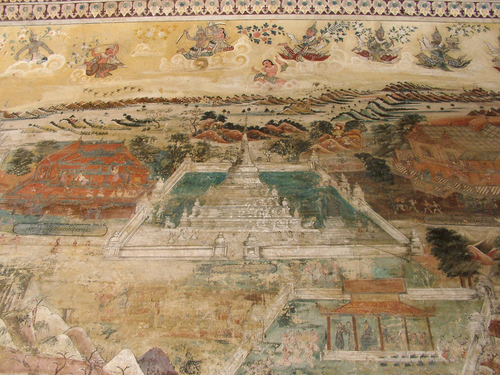
จิตรกรรมภาพวาดจำลองเจดีย์
ในศิลปะอมรปุระ-มัณฑเล หรือสมัยคองบองตอนปลาย ปรากฏแนวความคิดเรื่องสัจนิยมมากขึ้นเนื่องด้วยอิทธิพลตะวันตก ด้วยเหตุนี้ จิตรกรรมการเขียนจำลองภาพเจดีย์ซึ่งมีจริงจึงถูกเขียนขึ้นเพื่อบ่งบอกว่าเป็นภาพวาดของเมืองใดเมืองหนึ่ง นอกจากนี้การเขียนแสงเงาอย่างสมจริง รวมถึงทิวทัศน์ด้านหลังที่มีระยะใกล้-ไกลตามหลักทัศนียวิทยา ก็แสดงการเปลี่ยนแปลงในด้านความคิดของจิตรกรในระยะนี้เช่นกัน

จิตรกรรมพระพุทธบาทบนเพดาน
ลักษณะทางศิลปกรรมดูเหมือนว่าจิตรกรที่เจดีย์จอกตอจีมีความคิดที่ก้าวหน้าในการเขียนภาพจักรวาลวิทยาตามแบบสมัยใหม่ โดยการจัดดาวต่างๆเป็นหมู่ดาวตามแบบสมัยใหม่ มีการวาดภาพเพื่อให้สามารถจินตนาการได้ง่ายว่าหมู่ดาวต่างๆคือหมู่ดาวอะไร และมีการเขียนชื่อกำกับไว้ด้วย การวาดหมู่ด้าวไว้ที่เจดีย์จอกตอจี อาจเพื่อให้เจดีย์องค์นี้กลายเป็นศูนย์กลางจักรวาลอย่างแท้จริง
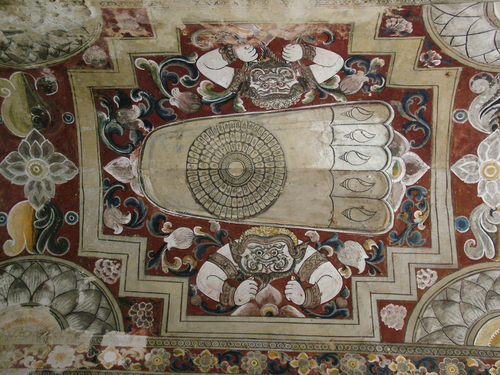
จิตรกรรมพระพุทธบาทบนเพดาน
ดูเหมือนว่าจิตรกรที่เจดีย์จอกตอจีมีความคิดที่ก้าวหน้าในการเขียนภาพจักรวาลวิทยาตามแบบสมัยใหม่ โดยการจัดดาวต่างๆเป็นหมู่ดาวตามแบบสมัยใหม่ มีการวาดภาพเพื่อให้สามารถจินตนาการได้ง่ายว่าหมู่ดาวต่างๆคือหมู่ดาวอะไร และมีการเขียนชื่อกำกับไว้ด้วย การวาดหมู่ด้าวไว้ที่เจดีย์จอกตอจี อาจเพื่อให้เจดีย์องค์นี้กลายเป็นศูนย์กลางจักรวาลอย่างแท้จริง

จิตรกรรมเทวดาด้านบนเพดาน
จิตรกรรมของจอกตอจีมีประเด็นอิทธิพลไทยอย่างชัดเจนในหลายเครื่อง โดยเฉพาะการเขียนภาพเทวดาแบบไทยและหน้ายักษ์ตามแบบไทยซึ่งแสดงการเขียนมงกุฎ กรรเจียกและพรายโอษฐ์ตามแบบหัวโขนไทยอย่างชัดเจน ทั้งนี้ เป็นไปได้ที่จิตรกรรมดังกล่าวอาจวาดขึ้นโดยช่างผู้เป็นลูกหลานของชาวสยามที่ถูกกวาดต้อนไปพม่าจากคราวเสียกรุงศรีอยุธยาครั้งที่สอง
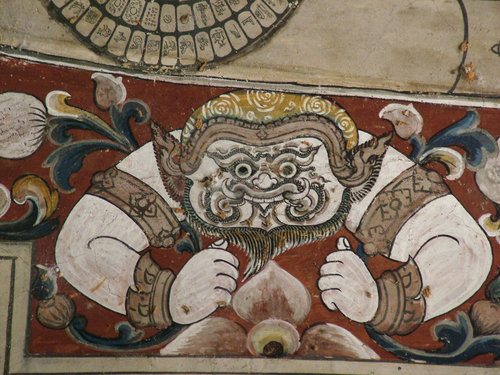
จิตรกรรมหน้ายักษ์ด้านบนเพดาน
จิตรกรรมของจอกตอจีมีประเด็นอิทธิพลไทยอย่างชัดเจนในหลายเครื่อง โดยเฉพาะการเขียนภาพเทวดาแบบไทยและหน้ายักษ์ตามแบบไทยซึ่งแสดงการเขียนพรายโอษฐ์ตามแบบหัวโขนไทยอย่างชัดเจน ทั้งนี้ เป็นไปได้ที่จิตรกรรมดังกล่าวอาจวาดขึ้นโดยช่างผู้เป็นลูกหลานของชาวสยามที่ถูกกวาดต้อนไปพม่าจากคราวเสียกรุงศรีอยุธยาครั้งที่สอง
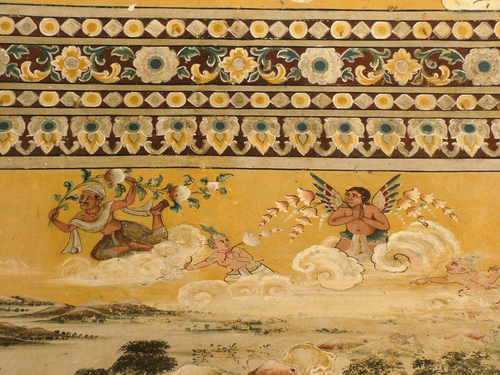
จิตรกรรมภาพบุคคลเหาะ
เนื่องด้วยอิทธิพลตะวันตก จิตรกรรมที่เจดีย์จอกตอจีจึงแสดงภาพเทวดา/ฤๅษีเหาะปะปนกับคิวปิด (cupid) ตามแบบตะวันตก ดอกไม้และลวดลายพันธุ์พฤกษาเองก็ประกอบไปด้วยใบอะแคนธัสตามแบบตะวันตกเช่นกัน รวมถึงทัศนียวิทยาของภูเขาที่เป็นฉากหลังก็แสดงความเกี่ยวข้องกับศิลปะตะวันตกอย่างมาก