ค้นหางานศิลปกรรม
ฐานข้อมูลศิลปกรรมในเอเชียตะวันออกเฉียงใต้
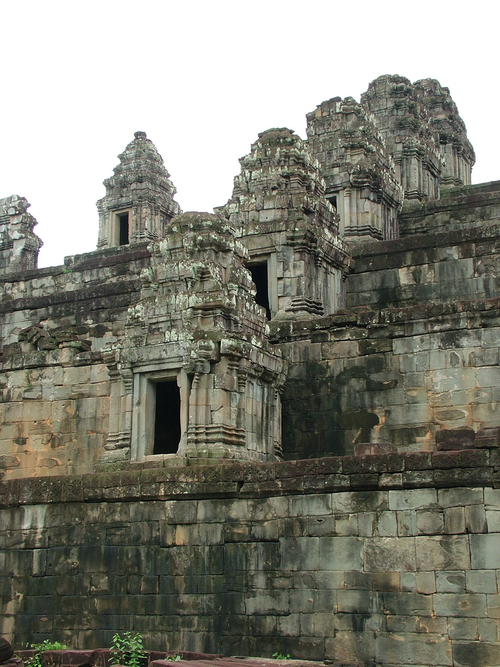

สถาปัตยกรรมปราสาทบริวาร : ปราสาทบาแค็ง
ปราสาทบาแค็งเป็นปราสาทบนฐานเป็นชั้น สร้างขึ้นบนภูเขาหินธรรมชาติ ด้วยเหตุนี้ปราสาทจึงสามารถสร้างด้วยหินทั้งหลังได้ แตกต่างไปจากปราสาทบากองที่ฐานเป็นชั้นสร้างอยู่บนพื้นราบ ปราสาทประกอบด้วยปราสาทบนยอดจำนวน 5 หลัง และปราสาทขนาดเล็กอีกจำนวน 60 หลังที่ฐานทั้งห้าชั้น ทุกหลักประดิษฐานศิวลึงค์ตามลัทธิไศวนิกายและหันหน้าไปทางทางทิศตะวันออกอันเป็นทิศมงคล เมื่อรวมปราสาทที่ด้านล่างแล้วนักวิชาการประมาณกันว่าปราสาทแห่งนี้มีจำนวนถึง 108 หลัง อันเป็นเลขมงคลในศาสนาฮินดู
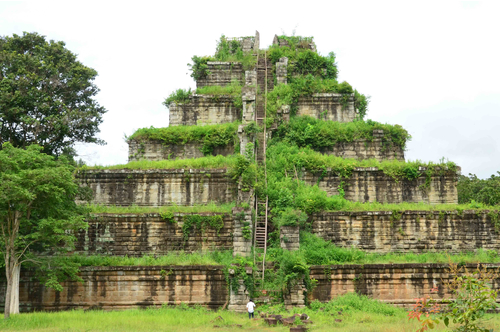
สถาปัตยกรรมฐานเป็นชั้นที่ปราสาทเกาะแกร์
ปราสาทแห่งนี้ถือเป็นปราสาทบนฐานเป็นชั้นที่สูงและสง่างามที่สุดในศิลปะขอม เนื่องจากมีฐานซ้อนกันขึ้นไปถึง 7 ชั้น ด้านบนคงเคยประดิษฐานปราสาทประธาน 1 หลัง อนึ่ง ปราสาทบนฐานเป็นชั้นในศิลปะเกาะแกร์สามารถศึกษาเปรียบเทียบได้กับปราสาทปักษีจำกรงที่เมืองพระนครอีกหลังหนึ่ง
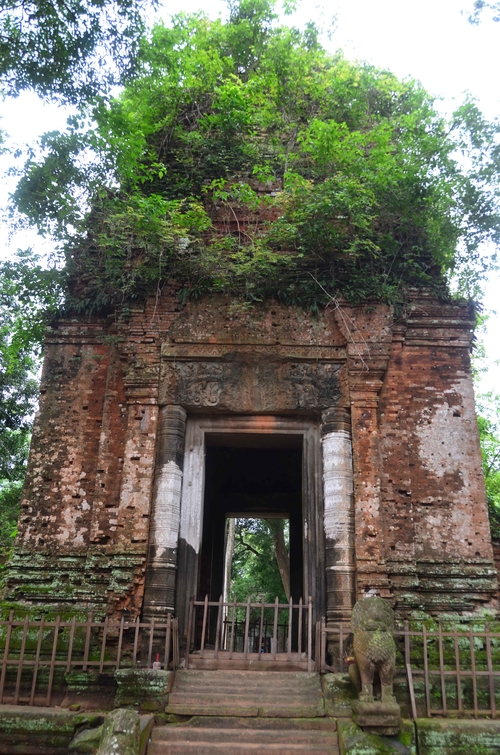
สถาปัตยกรรมซุ้มประตูที่ปราสาทเกาะแกร์
ปราสาทเกาะแกร์เป็นกลุ่มปราสาทที่ประกอบไปด้วยฐานเป็นชั้น (ปัจจุบันเรียกปราสาทธม) และปราสาทบนพื้นราบซึ่งประกอบไปด้วยกลุ่มปราสาทหลายหลังบนฐานเดียวกัน ด้านหน้าสุดปรากฏโคปุระขนาดใหญ่ซึ่งสร้างด้วยอิฐ ปราสาทแห่งนี้ถือเป็นพัฒนาการใหม่ทางด้านเทคนิคของปราสาทในศิลปะขอม เนื่องจากปราสาทที่สร้างด้วยอิฐส่วนมากมักมักเจาะประตูได้เพียงด้านเดียว แต่โคปุระของปราสาทเกาะแกร์กลับเจาะประตูได้ทั้งสองด้าน
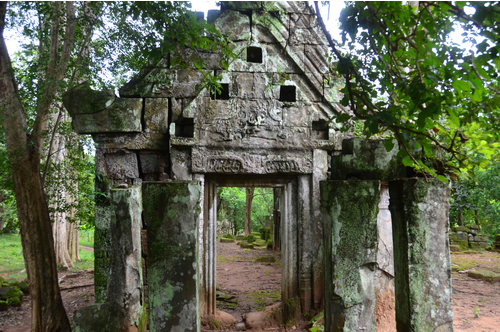
สถาปัตยกรรมอาคารยาวมีหน้าจั่วสามเหลี่ยม ปราสาทเกาะแกร์
อาคารยาวๆของปราสาทเกาะแกร์ สร้างด้วยหินทั้งหลังแต่คงเคยมีหลังคาเป็นเครื่องไม้มุงกระเบื้อง ด้านหน้าประกอบด้วยหน้าจั่วสามเหลี่ยมซึ่งเลียนแบบมาจากอาคารเครื่องไม้ ที่น่าสนใจก็คือ ที่ปลายหน้าจั่วมีลายตกแต่งเป็นรูปขมวดม้วน ซึ่งอาจกลายมาจากงวงของมกรก็ได้ หน้าจั่วเช่นนี้จะปรากฏอีกกับปราสาทในศิลปะบันทายสรีและบาปวนบางหลัง เช่นปราสาทบันทายสรี ปราสาทพระวิหาร เป็นต้น อนึ่ง น่าสังเกต “รู” ที่หน้าบันซึ่งเคยเป็นเต้ารับแปของเครื่องไม้ซึ่งได้หายไปหมดสิ้นแล้ว
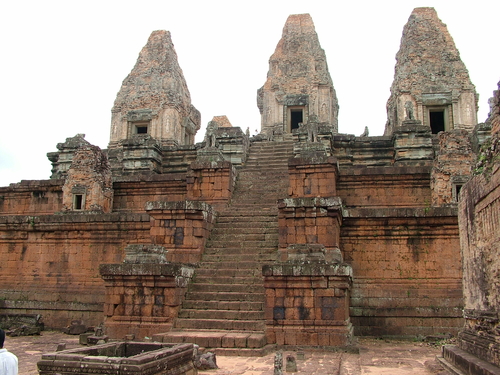
สถาปัตยกรรมปราสาทแปรรูป
ปราสาทแปรรูป เป็นปราสาทบนฐานเป็นชั้นที่มีปราสาทยอดสร้างด้วยอิฐเช่นเดียวกับปราสาทอื่นๆในศิลปะสมัยพระนครตอนต้น อย่างไรก็ตาม พัฒนาการใหม่ที่สามารถสังเกตได้ก็คือ ปราสาทประธานได้เพิ่มจำนวนเป็นห้าหลังเป็นครั้งแรกและปราสาทเริ่มปรากฏ “อาคารยาวๆ” โดยรอบซึ่งจะเป็นต้นแบบให้กับระเบียงคดในระยะต่อมา อาคารยาวๆเหล่านี้คงใช้เป็นที่เก็บของหรือเป็นที่พัก ด้านหน้าปราสาทปรากฏแท่นสี่เหลี่ยมผืนผ้าซึ่งคงเป็นที่ประดิษฐานโคนนทิมาก่อน ปัจจุบันสูญหายไปแล้ว
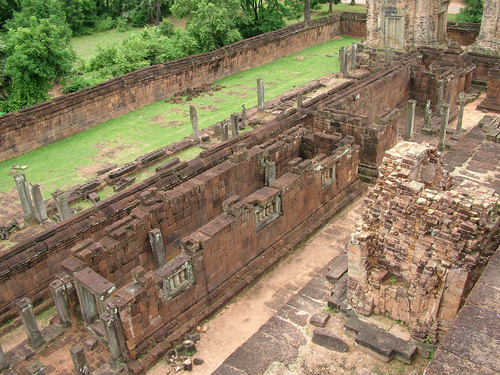
สถาปัตยกรรมอาคารยาวที่ปราสาทแปรรูป
ปราสาทแปรรูป เป็นครั้งแรกที่เริ่มปรากฏ “อาคารยาวๆ” โดยรอบซึ่งจะเป็นต้นแบบให้กับระเบียงคดในระยะต่อมา อาคารยาวๆเหล่านี้คงใช้เป็นที่เก็บของหรือเป็นที่พัก อนึ่ง น่าสังเกตว่าอาคารยาวๆเหล่านี้ยังไม่ได้เชื่อมต่อกันจนกลายเป็นระเบียงคด การเชื่อต่อกันนั้นจะปรากฏเป็นครั้งแรกที่ปราสาทตาแก้ว
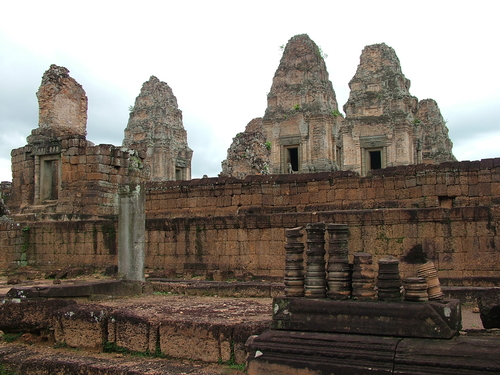
สถาปัตยกรรมปราสาทแม่บุญตะวันออก
ปราสาทแม่บุญตะวันออก มีเค้าโครงคล้ายคลึงกับปราสาทแปรรูปอย่างมาก คือมีปราสาทประธานจำนวน 5 หลังตั้งอยู่บนฐานเป็นชั้น อย่างไรก็ตาม ฐานเป็นชั้นของปราสาทแม่บุญตะวันออกเตี้ยกว่าปราสาทแปรรูปมาก เนื่องจากแท้จริงแล้ว ปราสาทแม่บุญตะวันออกเป็นปราสาท “บนพื้นราบ” ที่พระเจ้าราเชนทรวันทรงสร้างขึ้นเพื่ออุทิศให้กับบรรพบุรุษ โดยตั้งอยู่กลางบารายตะวันออกเช่นเดียวกับปราสาทโลเลยที่ตั้งอยู่กลางอินทรตฑาคะอันสร้างข้นโดยพระเจ้ายโศวรมัน
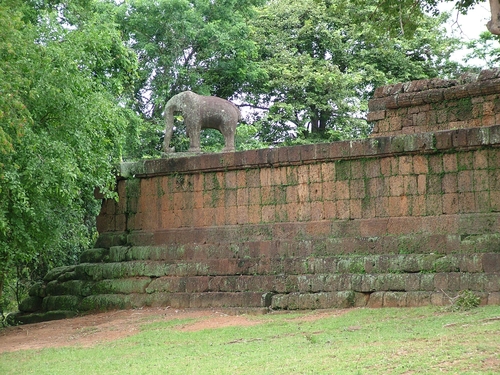
สถาปัตยกรรมฐานเป็นชั้นของปราสาทแม่บุญตะวันออก
ปราสาทแม่บุญตะวันออก ตั้งอยู่กลางบารายตะวันออกด้วยเหตุนี้ ฐานเป็นชั้นท่รองรับปราสาทก็คือ “ฐานของเกาะกลางบาราย” นั่นเองฐานนี้ก่อด้วยศิลาแลงซึงเป็นวัสดุที่แข็งเหมาะสำหรับการทำเป็นฐานรองรับปราสาทแต่ไม่เหมาะสำหรับการสลักลวดลาย ที่มุมของฐานมีประติมากรรมช้างอยู่ทั้งสี่ทิศ ฐานเป็นชั้นของปราสาทแม่บุญตะวันออกนี้ปัจจุบันตั้งอยู่บนพื้นดินที่แห้งขอด เนื่องจากบารายตะวันออกไม่ได้คงสภาพเป็นทะเลสาบอีกต่อไปแล้ว